
Vegetables
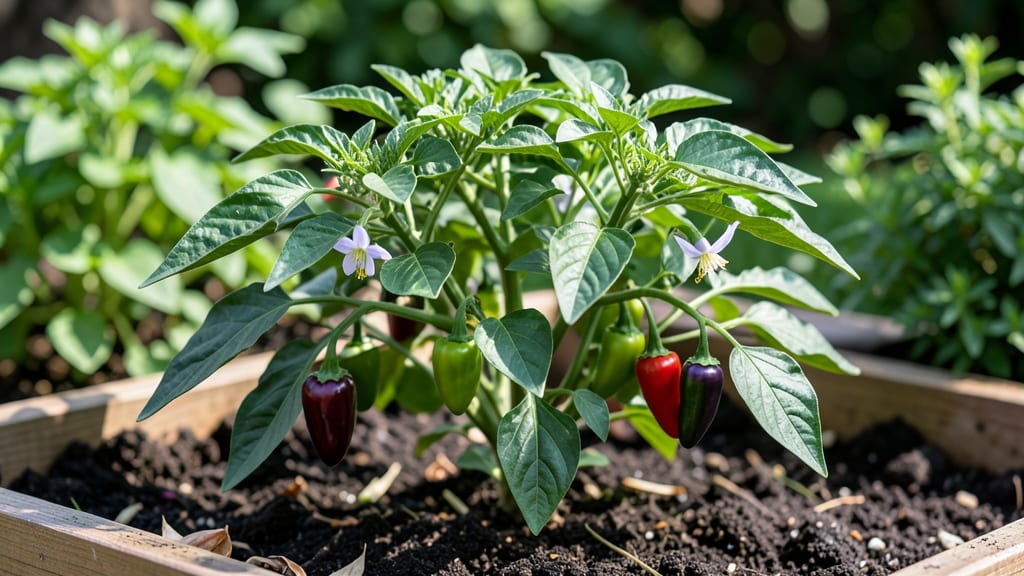
Understanding the stages of jalapeño peppers 🌶️ is the secret to growing bold, flavorful harvests—and skipping a single step can leave you with stunted plants or bitter peppers.
From the first sprout to the fiery harvest, each phase demands a different approach. Miss the timing on sunlight, water, or nutrients, and you might end up with leggy seedlings or flowers that never turn into peppers.
But get it right, and you’ll enjoy a continuous supply of homegrown heat from summer through fall.
In this guide, I’ll walk you through every milestone—germination, seedling growth, flowering, and fruiting—so you know exactly what to expect and how to adjust your care. No more guessing whether those tiny buds will become peppers or just fade away.
You’ll learn the critical signs of each stage, how to troubleshoot common problems, and even how to extend your harvest season. Ready to turn your garden into a jalapeño powerhouse? Let’s get started.
Jalapeno pepper growth stages timeline: week-by-week development
Understanding the stages of jalapeno peppers helps you anticipate growth milestones and adjust care accordingly. From the first sprout to harvest-ready peppers, each phase demands specific conditions.
Let’s break down what to expect at every step, including plant height, timelines, and critical care adjustments to keep your plants thriving.
Jalapeno peppers typically take 75 to 120 days from seed to harvest, depending on variety and growing conditions. The journey begins with seed germination, followed by seedling development, vegetative growth, flowering, and finally fruiting.
Each stage requires precise attention to sunlight, watering, and soil nutrients to avoid setbacks like stunted growth or blossom-end rot.
| Stage | Duration | Plant Height | Key Characteristics | Care Adjustments |
|---|---|---|---|---|
| Seed Germination | 5-14 days | 0 inches | Tiny sprouts emerge | Keep soil moist, 70-85°F |
| Seedling | 2-4 weeks | 3-6 inches | First true leaves appear | Hardening off, 6+ hours sun |
| Vegetative | 4-6 weeks | 12-24 inches | Rapid leaf growth | Fertilize with 10-10-10 |
| Flowering | 2-3 weeks | 24-36 inches | White/yellow flowers bloom | Hand-pollinate if needed |
| Fruiting | 6-8 weeks | 24-48 inches | Peppers form and ripen | Harvest at 3-5 inches |
During the seed germination stage, your jalapeño seeds will sprout within 5 to 14 days if kept in warm, moist soil (70-85°F). Use a seed-starting mix and maintain consistent moisture—avoid overwatering, which can cause rot.
Place trays in a sunny window or under grow lights to ensure strong initial growth. This phase is critical because weak seedlings struggle to recover later.
The seedling stage spans 2 to 4 weeks, where your plants will grow to 3 to 6 inches tall. Focus on hardening off seedlings by gradually exposing them to outdoor conditions over 7 to 10 days.
Ensure they receive at least 6 hours of sunlight daily and reduce watering slightly to prevent damping-off disease. Transplant seedlings outdoors after the last frost when soil temperatures reach 60°F or higher.
Once in the vegetative stage, your jalapeño plants will enter a period of rapid growth, reaching 12 to 24 inches in 4 to 6 weeks. This is the time to fertilize with a balanced 10-10-10 formula to support foliage and root development.
Monitor for pests like aphids and diseases such as early blight, which thrive in dense plantings. Prune lower leaves to improve airflow and reduce humidity around the soil.
The flowering stage begins when your plants produce white or yellow blooms, signaling the transition to fruit production.
This phase lasts 2 to 3 weeks, and your plants may reach 24 to 36 inches tall. Hand-pollinate flowers by gently shaking plants or using a small brush to transfer pollen if bees are scarce.
Ensure consistent watering and fertilization to support flower development—stress during this stage can lead to dropped blooms or poor fruit set.
Finally, the fruiting stage is where your patience pays off, with jalapeños forming and ripening over 6 to 8 weeks. Your plants may grow to 24 to 48 inches tall, and you’ll need to harvest peppers when they reach 3 to 5 inches in length.
Use shears or pruners to avoid damaging the plant, and harvest regularly to encourage continuous production. Watch for blossom-end rot (caused by calcium deficiency) and sunscald on exposed peppers, which can occur in hot climates.
By understanding each stage of jalapeno peppers, you can proactively adjust care to maximize yield and quality. Whether you’re a beginner or seasoned gardener, these milestones will help you identify issues early and keep your plants on track for a bountiful harvest. Happy growing!
How to identify jalapeno pepper stages: visual cues and common mistakes
Spotting the exact stage of your jalapeño peppers can feel tricky, especially when leaves and flowers look so similar at first glance. Each growth phase has unique visual markers—from tiny sprouts to vibrant blooms—that reveal whether your plants are thriving or struggling.
I’ve grown jalapeños for years, and these distinct features help me avoid costly mistakes like over-pruning or misjudging heat levels.
Start by observing leaf shape and color—your first clues. Young seedlings have round, smooth leaves, while mature plants develop pointy, serrated edges. The transition between these stages often signals when to adjust watering or fertilization.
Ignoring these visual cues can lead to stunted growth or poor fruit production, so pay close attention to details like stem thickness and flower color.
⚠️ callout warning ⚠️
⚠️ Common Mistake: Confusing Heat Levels with Pepper Size
Jalapeños don’t ripen faster just because they’re bigger! A 3-inch green pepper might still be mild, while a 4-inch red one could be spicier. Heat develops over time, not size. Always check the stem color—yellow or red means peak heat, not just ripeness.
✅ Fix: Harvest based on color and firmness, not guesswork. Use a heat chart to track maturity.
Next, watch for flowering signs—white or pale yellow blooms appear when plants are 4-6 weeks old. These flowers transform into peppers, but not all will develop.
Some gardeners prune too aggressively, removing potential fruit-bearing branches. Prune only after flowering to preserve yield, and focus on removing suckers (side shoots) to direct energy to existing peppers.
As peppers form, their size and shape become your best guide. Early-stage peppers are small and round, while mature ones stretch to 3-5 inches with a slight curve.
A common error is harvesting too early—wait until peppers resist gentle thumb pressure. Overharvesting can stress the plant, reducing future production, so balance is key.
Finally, don’t overlook stem and skin changes. A green stem means the pepper is immature, while a yellow or red stem signals peak ripeness. If your peppers stay small or turn wrinkled, check for underwatering or poor soil nutrients.
Adjust care immediately—jalapeños are resilient, but they need consistent moisture and balanced fertilizer to thrive.
By mastering these visual cues, you’ll avoid pitfalls like over-pruning, misjudging heat, or harvesting too soon. Keep a growth journal to track changes, and soon you’ll spot each stage effortlessly—just like a pro! 🌱