
Picking
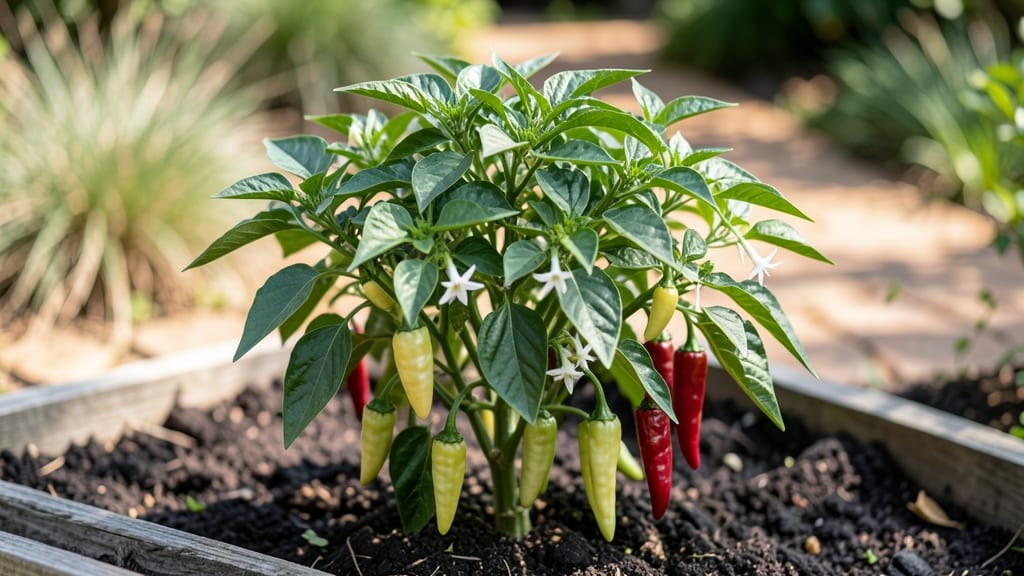
Growing the Trinidad scorpion ghost pepper from seed means mastering heat—both in your garden and on your tongue. 🌶️ This isn’t your average chili; it’s the second-hottest pepper in the world, demanding patience, precise care, and respect.
My first batch took 120 days to mature, but the experience taught me how to coax these fiery beauties through every stage—from delicate seedlings to blistering red pods. The key lies in replicating its tropical homeland: high heat (75-90°F), humidity (60%+), and well-draining soil rich in organic matter.
Skip the compost-heavy mixes—this pepper thrives in sandy loam with a pH between 6.0 and 6.8. Too much nitrogen, and you’ll get lush leaves but no fruit; too little water, and the plants bolt before fruiting.
I learned this the hard way when my first crop produced only three peppers after months of growth. Once established, these plants reward you with glossy, waxy leaves and clusters of small, pale green peppers that turn bright red when fully ripe.
The real magic happens in the kitchen—or the lab, if you’re into capsaicin extraction—but handling them requires gloves. A single broken pod can contaminate your entire workspace, so ventilation and caution are non-negotiable. For gardeners in cooler climates, container growing under grow lights works surprisingly well.
Just mimic the tropical conditions, and you’ll harvest enough peppers to freeze, dry, or share (with proper warnings). The journey isn’t for the faint of heart, but the payoff? Peppers that pack a punch and stories to tell for years.
📚 In This Guide
- What you need
- Instructions
- Tips and common mistakes
- Wrapping up and next steps
What you need
- ● Seeds: 3–5 Trinidad Scorpion Ghost Pepper seeds (high-quality, from a reputable supplier).
- ● Growing Containers: 2–3 seedling pots (2–3 inches wide) for germination.
- ● 1 5-gallon fabric grow bag or large pot (12+ inches deep) per plant (or a raised bed if outdoors).
- ● Growing Medium: 1 bag high-quality potting mix (sterilized, well-draining, e.g., Black Gold or Fox Farm).
- ● 1 part perlite or vermiculite (for aeration, 20% mix).
- ○ Optional: 1 cup coco coir or orchid bark for extra drainage.
- ● Fertilizer: 1 balanced liquid fertilizer (5-5-5 or 10-10-10, diluted to half-strength).
- ● 1 slow-release organic fertilizer (e.g., worm castings or fish emulsion).
- ● Watering Tools: 1 spray bottle (for seedling misting).
- ● 1 watering can with a fine rose (to avoid disturbing soil).
- ○ Heat Mat: 1 seedling heat mat (70–80°F range, optional but highly recommended for germination).
- ● Grow Lights: 1–2 full-spectrum LED grow lights (12–16 hours/day, 6–12 inches above seedlings).
- ● Pruning Shears: 1 pair sterilized scissors (for trimming and harvesting).
- ● Glove Set: 1 pair nitrile gloves (thick, heat-resistant)—this pepper packs a punch!
- ● pH Meter: 1 digital pH tester (ideal range: 6.0–6.8).
- ● Support: 1 small stake or cage (for taller plants, 3–4 feet).
- ● Location: Indoor: Sunny window or grow light setup. Outdoor: USDA Zones 10–12 (or greenhouse in cooler climates).
- ● Temperature: Germination: 75–85°F. Growth: 70–85°F (avoid below 60°F).
- ● Humidity: 40–60% (use a humidifier or tray of water if needed).
- ● Safety: Wear gloves and avoid touching face—this pepper’s capsaicin is no joke!
- ● Time Commitment: 120–180 days to maturity (patience is key!).
Step-by-step instructions for cultivating Trinidad Scorpion Ghost peppers
Mastering this pepper’s legendary heat starts with precise techniques—here’s how to grow it from seed to fiery harvest.
🌱 Step 1: Start Seeds Indoors Under Controlled Conditions
Trinidad Scorpion peppers thrive from 75-85°F soil warmth, so begin seeds indoors 8-10 weeks before your last frost date. Fill seed trays with sterile seed-starting mix and sow seeds ¼ inch deep, spacing them 1 inch apart—they need room to develop strong roots before transplanting. I use a heat mat to maintain consistent warmth, which is critical for germination rates over 70%.
Cover the tray with plastic wrap to retain humidity, then place under grow lights set to 14-16 hours daily. Keep the soil surface moist but never soggy—you’ll see first true leaves in 10-14 days. If seedlings stretch toward the light, raise the lights to 2-3 inches above the plants immediately. This pepper’s early growth is delicate; leggy seedlings rarely recover proper vigor.
🌿 Step 2: Harden Off and Transplant to Larger Pots
Once seedlings reach 4-5 inches tall with 4-6 true leaves, it’s time to harden them off. Start by placing them outside in partial shade for 1-2 hours daily, gradually increasing exposure over 10-14 days. Watch for wilting—this pepper’s thin stems can’t handle sudden stress. Transplant into 5-gallon containers or directly into the garden after all frost risk has passed.
Choose a location with full sun exposure (6-8 hours daily) and well-draining soil amended with compost. Space plants 18-24 inches apart to allow airflow, which prevents fungal diseases that thrive in humid conditions. I add a handful of balanced fertilizer (10-10-10) at planting to jumpstart growth—this pepper’s heat production demands consistent nutrients.
☀️ Step 3: Maintain Ideal Growing Conditions for Maximum Heat
Trinidad Scorpion peppers demand consistent warmth (70-85°F) and low humidity to develop their signature heat. Water at the base 1-2 inches deep when the top 1-2 inches of soil feel dry, avoiding overhead watering to prevent leaf diseases. Mulch with straw or wood chips to retain soil moisture and regulate temperature swings.
Fertilize every 4-6 weeks with a low-nitrogen, high-phosphorus formula (5-10-10) to encourage fruiting. Prune suckers (the shoots that form in the leaf axils) to direct energy into pepper production. You’ll notice flowers forming 60-90 days after transplanting—these peppers take longer to mature than milder varieties, so patience is key.
✂️ Step 4: Harvest and Cure for Peak Fiery Flavor
Harvest peppers when they turn bright red and feel firm to the touch—this usually occurs 90-120 days after flowering. Use pruning shears to avoid damaging the plant. For maximum heat retention, cure the peppers by hanging them in a dry, dark place (70-80°F) for 1-2 weeks. This process intensifies capsaicin levels, making them even more potent.
Store dried peppers in an airtight container away from light. If you’re growing multiple plants, expect 4-6 peppers per plant, each packing 1-2 million Scoville units of heat. Wear gloves when handling—this pepper’s oils can cause skin irritation. The first harvest is always the most rewarding, but with proper care, you’ll get successive yields all season.
Tips & tricks for perfect Trinidad Scorpion Ghost pepper cultivation
Growing these fiery peppers requires precision—here’s how to avoid common pitfalls and maximize your harvest.
Temperature Control: Maintain that 75-85°F soil warmth range during germination by using a heat mat. I’ve found that even a slight dip below 70°F can stall germination completely. Place a thermometer in the soil to monitor—this pepper won’t tolerate cold soil. Once outdoors, aim for daytime highs of 80-85°F during fruiting to develop maximum heat levels.
Lighting Strategy: The 14-16 hours of grow light isn’t just about duration—it’s about intensity. Position lights 2-3 inches above seedlings to prevent stretching. I use full-spectrum LED grow lights that mimic sunlight’s spectrum. If your seedlings start reaching toward the light, raise them immediately—this pepper’s delicate stems can’t support their own weight if they get too leggy.
Hardening Off: Those 1-2 hours daily of initial hardening should be gradual. Start with morning shade and watch for wilting—this pepper’s thin stems can’t handle sudden stress. After 3-4 days, you can increase exposure by 1 hour each day. I’ve seen seedlings collapse completely when moved too quickly to full sun. The goal is to toughen them without shocking the system.
Fertilizer Timing: The 10-10-10 balanced fertilizer at planting gives them a good start, but switch to 5-10-10 after flowering to boost fruiting. I apply it every 4-6 weeks but cut back if you notice excessive leaf growth over fruit production. This pepper’s heat development requires phosphorus, so don’t skimp—you’ll know you’re doing it right when you see those distinctive bright red peppers forming.
Pro Tips for Trinidad Scorpion Ghost Pepper
- Growing these fiery peppers requires precision—here’s how to avoid common pitfalls and maximize your harvest.
- Temperature Control: Maintain that 75-85°F soil warmth range during germination by using a heat mat.
- Lighting Strategy: The 14-16 hours of grow light isn’t just about duration—it’s about intensity.
Frequently asked questions
How long does it take for Trinidad Scorpion Ghost peppers to mature?
The Trinidad Scorpion Ghost pepper typically takes 90–120 days from transplanting to harvest. However, if grown from seed, expect an additional 6–8 weeks for germination and early growth. Patience is key—rushing harvest can compromise heat levels and flavor!
Can I grow Trinidad Scorpion Ghost peppers in containers?
Yes! These peppers thrive in 5-gallon containers or larger with proper drainage. Ensure the pot has a minimum 12-inch depth and use a high-quality potting mix rich in organic matter. Just keep them in a sunny spot (6+ hours of light daily) and monitor moisture closely.
Why are my Trinidad Scorpion Ghost peppers turning yellow or dropping?
Yellowing leaves or fruit drop often signal overwatering, nutrient deficiency, or heat stress. Check soil moisture—peppers hate soggy roots. Underwatering can also cause issues, so aim for consistent moisture (not soggy). If leaves curl, it may be too hot or dry—provide shade and increase humidity.
Are there milder alternatives to Trinidad Scorpion Ghost peppers?
If you love the flavor but want less heat, try Ghost Pepper "Bhut Jolokia" (milder than Scorpion) or Habanero. For even milder options, consider Scotch Bonnet or Jamaican Pepper. All share fruity, tropical notes but with 30–50% less capsaicin!
How do I harvest and store Trinidad Scorpion Ghost peppers?
Harvest when peppers turn bright red or orange (peak heat). Use sterilized scissors or pruners to avoid damaging plants. Store whole peppers in the fridge (up to 2 weeks) or freeze for long-term use. Never store near other foods—the oils can transfer heat!
Wrapping up and next steps
Growing your own Trinidad Scorpion Ghost Pepper is a thrilling journey that rewards patience with one of the world’s hottest peppers! 🌶️ From nurturing those delicate seedlings to harvesting fiery fruits, every step is a testament to your green-thumb mastery.
Whether you’re a seasoned gardener or a curious beginner, the heat of success is just a season away.
Ready to level up your garden? Start small—grow a few plants, experiment with care techniques, and soon you’ll be sharing your ghostly harvest with fellow pepper enthusiasts. Your next challenge? Mastering the art of drying or preserving those scorching beauties! 🔥