
Lawn
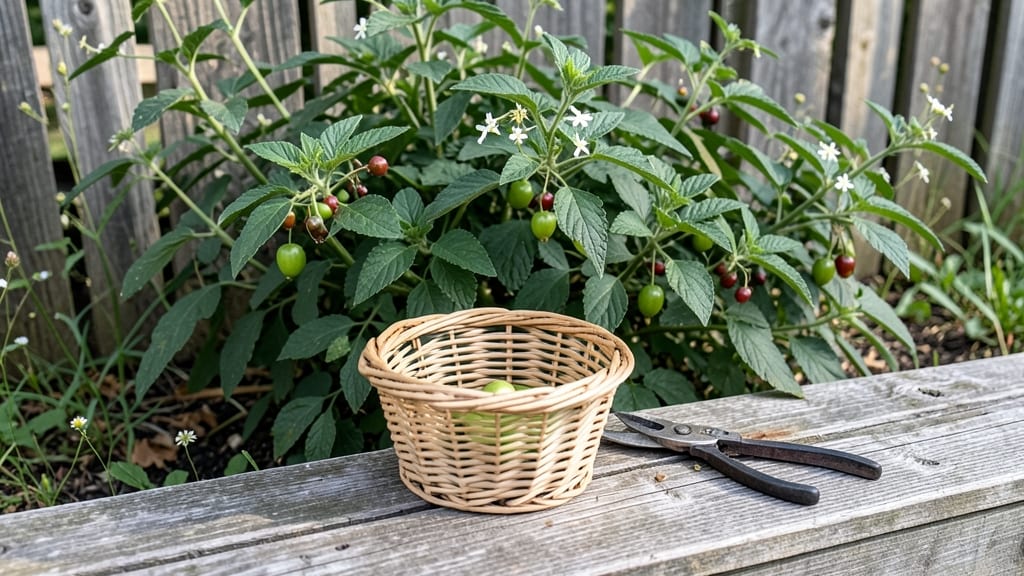
Virginia pepperweed uses include cooking young leaves and stems like greens, with a sharp, peppery flavor similar to watercress, while roots can be roasted like parsnips—but all parts must be properly prepared to avoid toxicity risks, especially when eaten raw or overcooked.
This wild edible plant thrives in sunny fields and roadsides, offering a unique culinary twist when harvested correctly. 🌱 The peppery kick comes from glucosinolates, which break down when cooked—similar to how arugula develops its signature bite.
I’ve found that sautéing the leaves in olive oil with garlic and lemon brings out their brightest flavors, making them perfect for salads or as a garnish. However, the roots require extra attention: they must be thoroughly cooked to eliminate any bitter compounds that could cause stomach upset.
Always identify the plant accurately—Virginia pepperweed can be confused with toxic lookalikes like wild radish. Harvesting young shoots in spring ensures the mildest flavor, while older leaves develop a more pronounced pepperiness.
For roots, dig them in autumn when their starch content peaks, then roast them slowly to achieve a texture akin to parsnips.
💡 In This Article
- Identifying Safe Edible Parts of Virginia Pepperweed
- Cooking Virginia Pepperweed: Recipes and Preparation Safety
Identifying safe edible parts of Virginia pepperweed
The edible portions of Virginia pepperweed (Lepidium virginicum) are its young leaves, stems, and roots, but only when harvested and prepared correctly. The plant's leaves and stems contain glucosinolates, compounds that give them their characteristic peppery flavor—similar to arugula but with a sharper, almost radish-like bite.
These compounds are safe when properly cooked, as heat breaks them down into milder, flavorful molecules. The roots, meanwhile, store starches that can be transformed into a sweet, parsnip-like texture when roasted.
Here's how to identify the safe parts: Young leaves (harvested before flowering) are the most tender and flavorful, while older leaves develop tougher fibers and a more intense pepperiness. The stems should be thin and crisp, similar to celery stalks but with a finer texture.
For roots, look for white, carrot-like taproots that are firm to the touch—any discoloration or soft spots indicate spoilage or contamination. Always harvest from areas free of pesticides or heavy metal pollution, as wild plants absorb environmental toxins.
The key to safety lies in distinguishing Virginia pepperweed from its toxic lookalikes, such as wild radish (Raphanus raphanistrum) or wild mustard (Brassica species).
Virginia pepperweed has lance-shaped leaves with a slightly hairy texture and produces small white flowers in clusters, while wild radish has deeply lobed leaves and a stronger radish aroma.
A simple field test: crush a leaf between your fingers—Virginia pepperweed releases a mild, peppery scent, whereas toxic lookalikes often emit a bitter or pungent odor. 🌿
When harvesting, prioritize spring shoots (March-May) for the mildest flavor, as the plant's glucosinolate content peaks during this time. Avoid harvesting near roadsides or agricultural fields, as these areas are more likely to contain contaminants.
For roots, dig in autumn when their starch content is highest, then scrub them thoroughly under running water to remove dirt. Store harvested parts in a paper bag in the refrigerator for up to 3 days or freeze them for longer storage—this preserves their texture and flavor.
One critical safety note: Never consume Virginia pepperweed raw, as the glucosinolates can cause mild digestive upset in some individuals. Even cooked, large quantities may provoke a reaction due to the plant's natural compounds.
Always introduce it gradually into your diet, starting with small portions (e.g., 1-2 tablespoons of chopped leaves) to gauge your tolerance. If you experience dizziness, nausea, or rash after consumption, seek medical attention immediately—these could be signs of an allergic reaction or contamination.
For those new to foraging, consider starting with identified commercial sources or guided foraging tours to build confidence. Many specialty grocery stores now carry wild edibles, and local foraging groups often organize harvests where you can learn directly from experts.
This hands-on approach reduces risks while deepening your understanding of the plant's growth cycle and edible stages. 🌱