
Picking
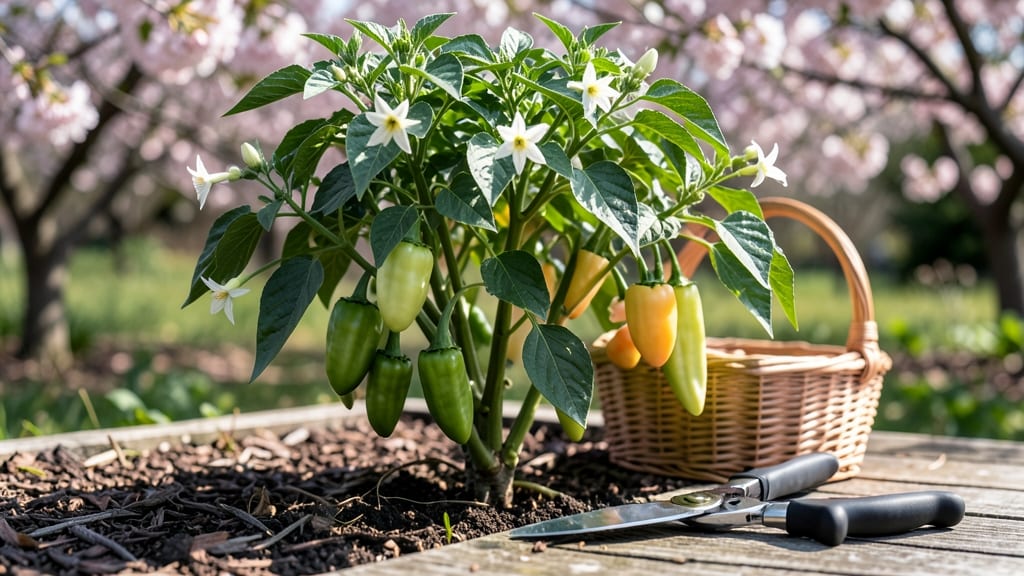
Wondering when are banana peppers ready to pick? Look for pods 2–4 inches long turning from green 🟢 to yellow 🟡 or light green for the best flavor.
You’ve probably wondered whether to grab them early for sweetness or wait for heat—but timing is everything. A pepper picked too soon is bland; too late, and it’s tough or bitter. The color stages are your best guide, but size and firmness matter just as much.
In Zone 6a, most gardeners start seeing ripe banana peppers in July, but heat and sunlight speed things up. If you miss the window, don’t worry—these peppers stay productive until October if you keep them healthy.
Below, I’ll walk you through the 3 color stages and the simple tests to ensure you harvest at the perfect moment—no guesswork, just great-tasting peppers every time.
Banana pepper color stages: when to harvest for sweet vs spicy flavor
Banana peppers are one of the most rewarding garden plants because their flavor transforms dramatically as they ripen. The color stage determines whether you'll enjoy a mild, sweet pepper or a spicier kick.
Understanding these three key stages—green, yellow, and red—will help you harvest at the perfect moment for your taste preferences.
When banana peppers are fully green, they're typically the sweetest and mildest, perfect for fresh eating or pickling. As they transition to yellow or light green, they develop a slightly tangy flavor with just a hint of heat.
Finally, when they turn bright red, they become the spiciest, ideal for dishes needing a peppery punch.
Timing your harvest based on color ensures you capture the flavor you want. For example, if you prefer sweet banana peppers for salads, you'll want to pick them at the green stage.
But if you're making spicy salsa, wait until they turn red. The key is to watch closely because these changes happen quickly!
Here's a quick comparison of the three color stages and their ideal harvest times:
The green stage is where most home gardeners prefer to harvest banana peppers because they're the sweetest and mildest. At this point, they typically measure 2-4 inches long and have a firm but slightly tender skin. If you're growing them for fresh eating or pickling, this is your sweet spot!
As banana peppers mature to the yellow or light green stage, their flavor becomes more complex with a slight tang. This stage usually occurs around 75-85 days after planting, depending on your climate.
The heat level starts to rise, making them perfect for dishes where you want a little kick without overwhelming spice.
When banana peppers finally turn bright red, they're at their spiciest, with heat levels reaching up to 2,000 SHU. This stage is ideal if you're making spicy salsas, hot sauces, or drying peppers for later use.
The red color indicates full maturity, so don't wait too long or the peppers may become tough or shriveled.
Pro tip: If you want to extend your harvest season, you can pick banana peppers at any stage and let them continue ripening indoors. Place them in a sunny windowsill or under a grow light to encourage further color change.
This is especially useful if you're growing in cooler climates where the growing season is short.
Remember that environmental factors like temperature and sunlight can affect how quickly banana peppers change color. In hotter climates, they may ripen faster, while cooler temperatures can slow down the process. Always keep an eye on your plants and harvest when the color and size match your flavor goals!
One common mistake is waiting too long for the peppers to turn red, only to find they've become tough or overly spicy. For the best balance of flavor and texture, aim to harvest banana peppers when they're at least 70% of their final color.
This ensures they're still tender and full of flavor.
How to test banana pepper ripeness: 3 non-color indicators for perfect picking
While banana pepper color gives clues about ripeness, relying solely on it can lead to missed harvests. These peppers often change from green to yellow or even red, but their true readiness lies in other subtle cues.
I’ve learned the hard way that waiting for color alone can mean sacrificing flavor and texture. Instead, focus on these three non-color indicators to ensure you pick at peak perfection.
First, pay attention to the pepper's size. The ideal harvest window for banana peppers is when they reach 2 to 4 inches long. Anything smaller is still developing, while larger peppers can become tough and overly spicy.
I always measure mine with a ruler to avoid guesswork—this simple step has saved me from overripe harvests that lacked sweetness.
Next, test the firmness of the pepper. A ripe banana pepper should feel slightly firm but yield slightly when gently squeezed between your thumb and forefinger. If it feels rock-hard, it’s not ready yet.
If it’s too soft or mushy, you’ve missed the window. This tactile check is my go-to method, especially on cloudy days when color cues are less reliable.
- Size: 2-4 inches long signals peak sweetness and texture. Use a ruler for accuracy.
- Firmness: Slight give when squeezed—neither rock-hard nor mushy. Test daily for consistency.
- Seed Development: Visible seeds but not fully mature. Cut open to check—seeds should be soft and white, not hard or brown.
Don’t overlook the seed development inside the pepper. A quick way to check is to cut one open—ripe banana peppers will have soft, white seeds that aren’t fully mature. If the seeds are hard or brown, the pepper has passed its prime.
I’ve found that this method is especially useful for yellow or red peppers, where color alone can be misleading about true ripeness.
Timing your harvest correctly also depends on your climate and variety. In hotter regions, peppers may ripen faster, while cooler climates slow the process. I’ve noticed that yellow banana peppers often ripen quicker than red ones, so I adjust my checks accordingly.
Always harvest before the first frost—peppers won’t recover once temperatures drop below 50°F.
One common mistake I see is waiting too long for color changes. Green banana peppers can be perfectly ripe and delicious if they meet the size and firmness criteria.
Don’t dismiss them just because they haven’t turned yellow or red yet! The key is to harvest consistently—picking regularly encourages more production and prevents overripe peppers from forming.
By combining these three non-color indicators, you’ll never miss the perfect moment to pick your banana peppers. Remember: size, firmness, and seed development are your best friends in the garden.
Once you master these cues, you’ll enjoy a steady supply of sweet, tender peppers all season long. Happy harvesting! 🌶️