
Picking
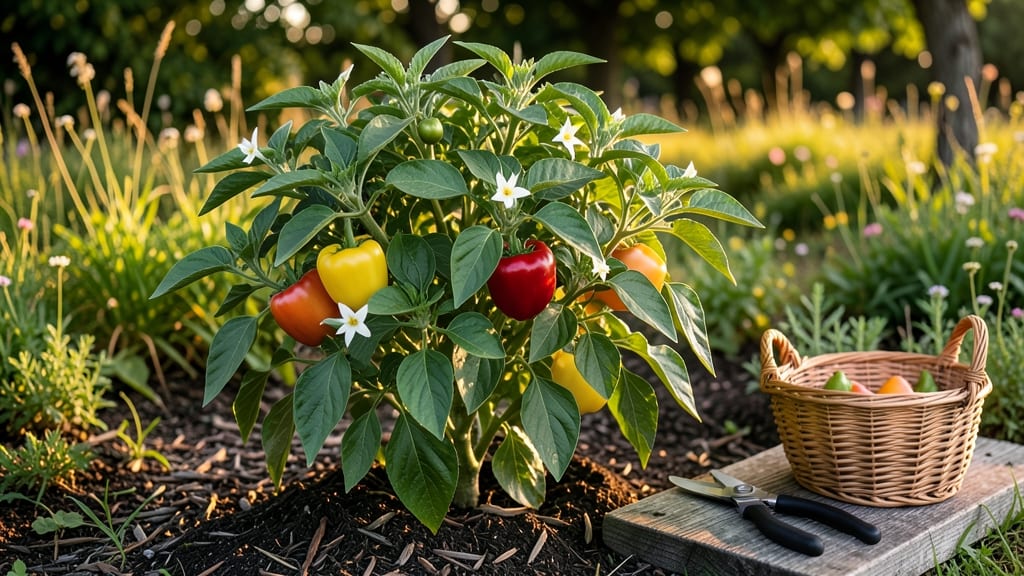
Peppers are ready to pick when they reach full size, vibrant color, and a slight give when pressed — timing this perfectly ensures the best flavor and keeps your plants productive.
Picture this: you’ve nurtured your 🌶️ plants all season, only to wonder if that glossy green pepper is truly ready or if you’re missing the sweet spot for maximum spice. The truth is, picking too early means bland peppers, while waiting too long can stress the plant and reduce yield.
Not all peppers follow the same rules—bell peppers mature differently than jalapeños, and color isn’t the only clue. Below, I’ll break down the exact visual cues by variety, plus how to test ripeness when colors aren’t reliable.
You’ll discover how to spot the ideal moment for harvest, avoid common mistakes, and even extend your pepper season for a longer bounty.
Peppers ready to pick: color-coded ripeness guide by variety
Harvesting peppers at the right time transforms your garden from mediocre to exceptional. The color, size, and texture of peppers change dramatically as they ripen, signaling when they're at peak flavor and spice. Bell peppers taste sweeter when fully colored, while jalapeños pack more heat when red.
Ignoring these cues means missing out on the best flavors—or worse, letting peppers overripe on the vine.
Every pepper variety has its own color-coded ripeness timeline. A green bell pepper harvested early stays crunchy but bland, while waiting for red unlocks maximum sweetness. Meanwhile, habaneros develop their fiery kick only after turning orange or red.
Understanding these visual signals ensures you pick peppers when they're perfectly ripe, not too soon or too late.
| Variety | Ready to Pick Color | Size | Flavor/Spice Change | Days to Maturity |
|---|---|---|---|---|
| Bell Pepper | Green → Red/Yellow/Purple | 3-4 inches | Sweeter when colored | 60-90 |
| Jalapeño | Green → Red | 2-3 inches | Hotter when red | 70-80 |
| Serrano | Green → Red | 1-2 inches | Spicier when red | 65-75 |
| Habanero | Green → Orange/Red | 1-2 inches | Fiery when orange/red | 90-120 |
| Cayenne | Green → Red | 2-3 inches | Hotter when red | 75-90 |
| Poblano | Green → Dark Red | 4-6 inches | Earthier when red | 80-90 |
| Banana Pepper | Green → Yellow | 3-4 inches | Sweeter when yellow | 70-80 |
| Thai Chili | Green → Red | 1-2 inches | Hotter when red | 80-100 |
| Shishito | Green |
5 Common mistakes that make you pick peppers too early (and how to avoid them)Even experienced gardeners sometimes harvest peppers before they're ready, robbing them of their full flavor potential. I've made this mistake myself—especially with bell peppers that looked ripe but tasted bland. The key is understanding the subtle differences between harvest readiness and premature picking. Let's explore the most common pitfalls and how to avoid them. First, many gardeners confuse size with ripeness. Just because a pepper reaches its expected length doesn't mean it's ready. For example, a jalapeño might grow to 3 inches but still be green and underripe inside. Always check for color consistency across the entire pepper, not just the top. Another frequent error is harvesting based on stem color alone. A brown stem doesn't guarantee ripeness—it just means the pepper has been on the plant longer. I once picked habaneros with brown stems that were still painfully mild compared to their fully red counterparts. The stem should be dry and slightly shriveled, but the pepper's body must show full color development first. ⚠️ WARNING: Premature Harvesting Consequences ⚠️
⚠️ Harvesting too early causes:
Many gardeners also make the mistake of overlooking texture in favor of color. A ripe pepper should have a slight give when gently squeezed—like a ripe avocado. If it feels rock-hard or too soft (like overripe fruit), it's not ready. I test this by pressing my thumb against the pepper; if it leaves a slight indentation that springs back, it's perfect. For storage peppers, the rules change slightly. While you can harvest green bell peppers at any time, their flavor improves dramatically when fully colored. If you need peppers for storage, pick them when fully green but firm—then store them in a cool, dark place. This lets you control ripening time rather than relying on the plant's natural schedule. Finally, don't ignore the plant's energy signals. If your pepper plant is struggling to keep up with fruit production, it's likely stressed from overcrowding or nutrient deficiency. In this case, harvest peppers that show any signs of ripeness to reduce the load. I've seen plants recover beautifully when given this break, often producing a second flush of peppers later in the season. Remember, peppers continue developing flavor and sweetness long after they reach their final size. The sweetness spike in bell peppers, for example, happens in the final 2-3 weeks of ripening. By avoiding these common mistakes, you'll enjoy peppers that are sweeter, spicier, and more satisfying—both for eating fresh and storing for later. |