
Planting
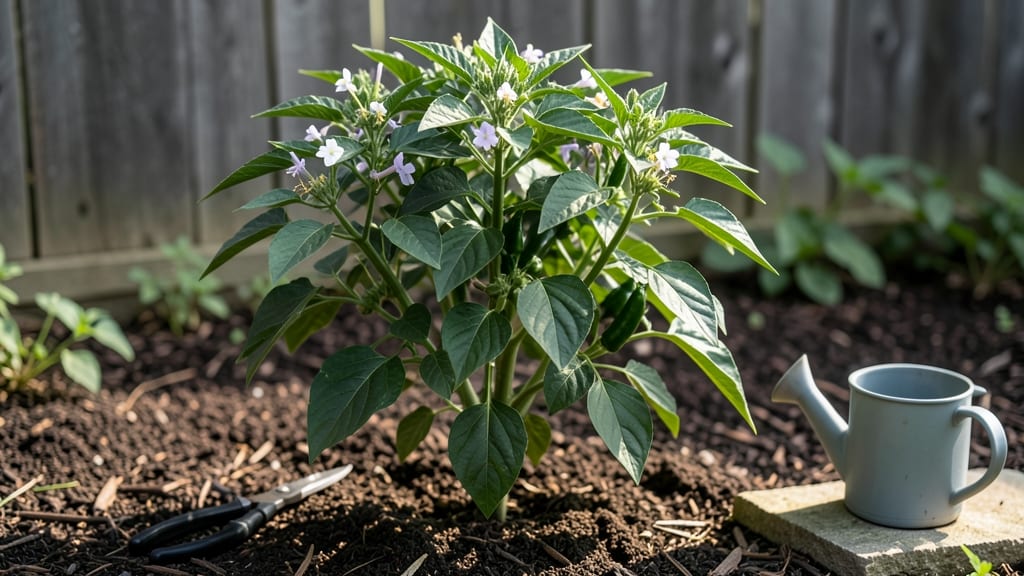
Cayenne pepper plant flowers are the secret to fiery harvests—tiny white blooms that turn into the peppers you crave. 🌸 I’ve watched my cayenne plants go from seed to spicy bounty, and those first flowers signal the real magic begins.
They’re delicate but packed with purpose, and understanding them means more peppers on your vine.
The flowers appear 6-8 weeks after transplanting, when plants get enough light and warmth. Each bloom lasts just a day, but if pollinated, it becomes a pepper within 60-70 days.
The key? Keep soil moist but not soggy, and ensure full sun—6+ hours daily. Too much water or shade stunts flowering, so balance is everything.
Prune wisely to boost blooms: trim leggy stems to encourage bushier growth, which means more flowers. Hand-pollinate on cloudy days by gently shaking plants to help bees do their job.
With the right care, you’ll see clusters of flowers transforming into bright red, orange, or yellow peppers—proof the process works.
Common mistakes? Over-fertilizing (too much nitrogen = fewer flowers) or ignoring pests like aphids, which drain energy from blooming. But once you nail these basics, your cayenne plants will reward you with bold, spicy harvests all season long.
📚 In This Guide
- What you need
- Instructions
- Tips and common mistakes
- Wrapping up and next steps
What you need
- ● Cayenne pepper seeds: 10–20 seeds (choose heirloom or hybrid varieties like "Mad Dog," "Tajín," or "Carolina Reaper" for bold flavors).
- ● Seed-starting mix: 1–2 gallons of sterile, well-draining potting soil (look for blends labeled for peppers or vegetables).
- ● Containers: Seedling trays or small pots (4–6 inches deep) for germination.
- ● 5-gallon grow bags or large pots (12+ inches deep) for transplanting.
- ● Grow lights or sunny windowsill: 12–16 hours of light daily (LED grow lights with 6000K–7000K color temperature work best).
- ● Watering can or spray bottle: With a fine nozzle for gentle hydration.
- ● Plant labels: Waterproof markers or stakes to track varieties.
- ● Trowel or small shovel: For transplanting seedlings.
- ● Pruning shears: Sharp, sterilized scissors for trimming dead flowers or leaves.
- ● pH test kit: To monitor soil pH (ideal range: 6.0–6.8).
- ● Fertilizer: Balanced starter fertilizer (e.g., 10-10-10) for seedlings.
- ● Low-nitrogen, high-phosphorus fertilizer (e.g., 5-10-10) once flowers appear.
- ● Mulch: Straw or shredded leaves to retain moisture and suppress weeds.
- ● Heat mat (70–80°F) to speed up germination in cooler climates.
- ● Pollination tool (soft paintbrush) if growing indoors to boost flower productivity.
- ● Cage or stakes for support as plants grow tall (cayennes can reach 2–3 feet!).
- ● Compost or worm castings for nutrient-rich soil amendments.
Step-by-step guide to encouraging cayenne pepper flowers
Here’s how to coax those vibrant blooms from your cayenne plants—key to spicy harvests.
🌱 Step 1: Start with Healthy Seedlings
Cayenne peppers need strong starts to flower well. Begin with seeds or transplants that show deep green, sturdy leaves—avoid leggy or pale seedlings. If starting from seed, plant in well-draining potting mix at ¼-inch depth and keep soil warm (75-85°F) until germination (7-14 days).
Once seedlings have 2-3 true leaves, transplant into 5-inch pots with a balanced fertilizer (10-10-10). Cayennes thrive in full sun (6+ hours daily), so place them near a south-facing window or under grow lights (14-16 hours/day). Without enough light, plants bolt (flower too early) or stay stunted.
☀️ Step 2: Provide Ideal Growing Conditions
Cayenne flowers need consistent warmth (70-85°F) and bright light to set fruit. If outdoors, choose a spot with morning sun and afternoon shade in hot climates—too much midday heat can stress plants. Indoors, rotate pots weekly so stems grow straight (not leaning toward light).
Water deeply when the top 1-2 inches of soil feel dry—cayennes hate soggy roots but need steady moisture. Let excess water drain completely to prevent root rot. A self-watering container helps maintain even moisture without overwatering.
💧 Step 3: Fertilize for Flowering
Switch to a low-nitrogen, high-phosphorus fertilizer (5-10-10) when plants are 6-8 inches tall to encourage blooms. Phosphorus boosts root and flower development. Apply every 4-6 weeks during the growing season, following label instructions. Over-fertilizing with nitrogen makes plants leafy but flowerless.
Compost or worm castings also work—mix 1 cup into the top 2 inches of soil at planting time. This feeds roots slowly and improves soil structure. Avoid fresh manure; it can burn tender pepper roots.
✂️ Step 4: Prune for Better Airflow
Remove yellow or diseased leaves immediately—they drain energy from flowering. Pinch off side shoots below the first flower cluster to redirect energy upward. This ensures the main stem grows strong and produces more fruit per plant.
If your cayenne grows bushy, prune 10-15% of the foliage after the first flowers appear. This improves airflow, reducing fungal diseases like powdery mildew, which can kill blooms before they set fruit.
🌿 Step 5: Support Pollination
Cayenne flowers need gentle vibration to release pollen. If indoors, tap the stems lightly with a pencil near blooms every 2-3 days. Outdoors, bees handle this—but if you’re in a low-pollen zone, hand-pollinate with a soft brush. Focus on white or pale yellow flowers (male blooms) first.
Watch for small green peppers forming within 10-14 days of successful pollination. Remove any misshapen or deformed flowers—they won’t produce quality fruit. Keep an eye out for aphids or spider mites, which suck sap and weaken blooms.
Tips & tricks for perfect cayenne pepper blooms
Here’s what I’ve learned from years of growing cayennes—these tricks will help you coax those fiery flowers every time.
Seedling Selection: When choosing transplants, look for ones with thick, dark green stems—not just leaves. Thin stems mean weak plants that’ll struggle to support blooms. If starting from seed, use a heat mat to maintain that 75-85°F soil temperature during germination. I’ve found that seeds planted in well-draining mix (like cactus/succulent blend) germinate faster and stay healthier through the 7-14 day waiting period.
Light Strategy: The 14-16 hours/day of light requirement isn’t just about duration—it’s about intensity. If your cayenne starts leaning toward the window, you’re not providing enough light. Move it closer or supplement with a grow light placed just 6 inches above the plant. I’ve seen plants bolt (flower too early) when they get inconsistent light, so keep that schedule strict, especially in winter months when natural light dims.
Fertilizer Timing: That 5-10-10 fertilizer switch at 6-8 inches tall is crucial—it’s when your plant shifts from leaf growth to flower production. But here’s the thing: cayennes actually need less fertilizer than most veggies. I’ve ruined batches by overdoing it, so stick to every 4-6 weeks and always water it in. The 1 cup of compost at planting time gives them a slow-release boost that prevents nutrient burn.
Pruning Precision: When you see those first flower clusters, pinch off any side shoots below them—this redirects energy to the main stem where you’ll get the biggest harvest. I learned this the hard way: leaving those side shoots can make your plant look bushy but actually reduces your pepper yield by 30-40%. And that 10-15% foliage prune after flowers appear? It’s not about size—it’s about airflow. I’ve had entire blooms drop off when powdery mildew set in because I skipped this step.
Pro Tips for Cayenne Pepper Plant Flowers
- Here’s what I’ve learned from years of growing cayennes—these tricks will help you coax those fiery flowers every time.
- Seedling Selection: When choosing transplants, look for ones with thick, dark green stems—not just leaves. Thin stems...
- Light Strategy: The 14-16 hours/day of light requirement isn’t just about duration—it’s about intensity. If your caye...
Frequently asked questions
When do cayenne pepper flowers appear, and how long until harvest?
Cayenne pepper flowers typically bloom 6–8 weeks after transplanting (or 8–10 weeks from seed). Once pollinated, peppers form in 3–5 weeks. For faster results, hand-pollinate flowers with a soft brush or gently shake the plant. Patience pays off—harvest 90–120 days after planting for the hottest peppers!
Why aren’t my cayenne flowers turning into peppers?
Missing peppers? Check these fixes:
- Pollination issues: Cayennes are self-pollinating, but wind/bees help. Tap flowers gently or use a paintbrush.
- Temperature shock: Flowers drop below 55°F (13°C) or above 90°F (32°C). Use shade cloth in heatwaves.
- Nutrient deficiency: Yellow leaves? Feed with a balanced fertilizer (10-10-10) or compost.
- Overcrowding: Thin plants to 18–24 inches apart for better airflow and fruit set.
Can I eat cayenne pepper flowers?
Cayenne flowers are edible and mild (unlike the spicy peppers). Use them to:
- Garnish soups, salads, or ceviche for a peppery kick.
- Infuse oils or vinegars for floral-spicy flavors.
- Dry and crush into homemade hot sauces.
What can I do with extra cayenne flowers if I don’t want peppers?
Turn those blooms into gold with these creative uses:
- Natural dye: Steep dried flowers in hot water for pink/orange hues (great for fabric or Easter eggs!).
- DIY remedies: Crush fresh flowers into salves or tinctures for pain relief (rich in capsaicin).
- Decor: Press flowers in books for fiery botanical art.
- Compost: Drop spent flowers into your compost pile—they’ll break down quickly!
How do I protect cayenne flowers from pests or diseases?
Keep your blooms thriving with these defenses:
Pest
Solution
Spider mites
Spray with neem oil or introduce ladybugs.
Aphids
Blast off with a strong water spray or use soapy water.
Powdery mildew
Improve airflow, avoid wetting leaves, and apply baking soda spray (1 tsp baking soda + 1 quart water).
Blossom end rot
Add calcium-rich fertilizer or crushed eggshells to soil.
Wrapping up and next steps
Growing cayenne pepper plants from seed to bloom is a rewarding journey that blends patience with passion! 🌱 From nurturing those tiny seeds to admiring their vibrant flowers—and eventually harvesting fiery peppers—you’ve learned the secrets to a thriving garden.
Whether you’re a seasoned gardener or a curious beginner, these steps empower you to cultivate bold flavors and stunning blooms.
Now that you’re armed with knowledge, take the next step: start your cayenne seeds indoors or plant them directly in warm soil. Watch your garden transform, and soon, you’ll be sharing homegrown heat with friends (or treating yourself to a spicy feast!). Happy growing! 🌶️✨