Plants
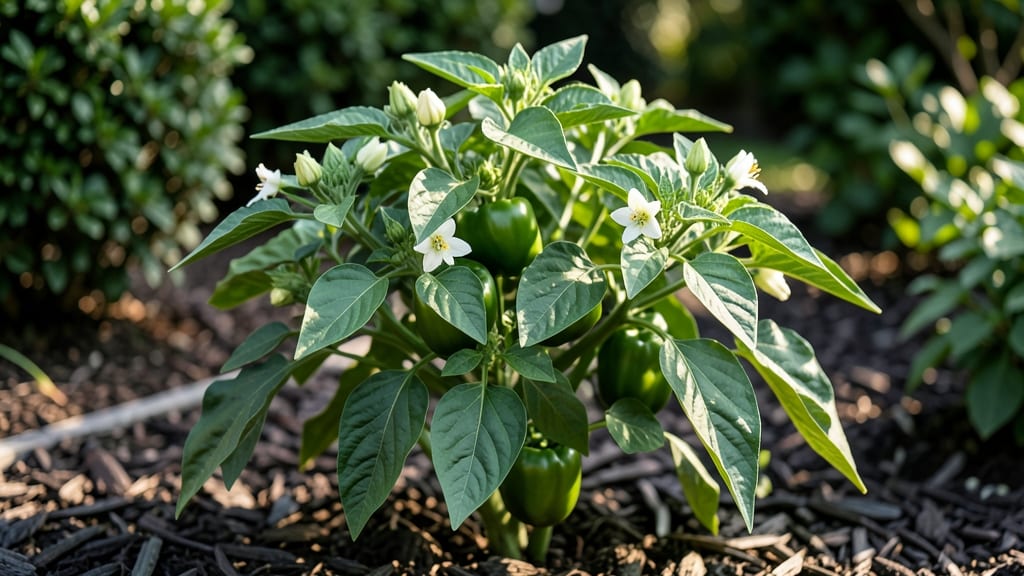
Pepper plants flower when they’re ready, usually 60 to 90 days after transplanting—but timing shifts with heat zones, sunlight, and variety.
Ever stared at your 🌶️ pepper plants wondering why they’re just leaves and no flowers? The answer lies in temperature, not just days on the calendar. Bell peppers in Zone 9 might bloom in 50 days, while jalapeños in Zone 5 could take twice as long.
Here’s the game-changer: peppers need consistent warmth (above 70°F) and 12+ hours of sunlight to trigger blooms. Without it, they’ll keep growing leaves instead of fruit. I’ll show you how to read your plant’s signals and adjust care to bring on those first flowers faster.
You’ll learn the exact flowering timeline for your favorite varieties, how to spot readiness, and 3 simple tricks to speed up blooms—even in cooler climates. No guesswork, just actionable steps for a bountiful harvest.
Peppers flowering timeline: days to bloom by variety & heat zones
Pepper plants typically take 60 to 90 days to flower after transplanting, but this timeline shifts dramatically based on variety and USDA heat zone.
In USDA Zone 10, tropical varieties like habaneros may bloom in just 45 days, while in Zone 5, bell peppers might wait 80+ days due to cooler temperatures. Understanding these differences helps you adjust planting times and care routines for a bountiful harvest.
Early-season varieties like Sweet Banana Peppers often flower first, typically within 50-60 days in warm climates. Late-season varieties such as Habaneros or Jalapeños may take 70-90 days, especially in cooler regions. The key factor? Nighttime temperatures—peppers need consistent warmth (above 60°F) to trigger blooms.
Here’s how your heat zone affects flowering:
| Variety | Days to Bloom (Zone 5) | Days to Bloom (Zone 7) | Days to Bloom (Zone 10) | Heat Tolerance |
|---|---|---|---|---|
| Bell Pepper (Early) | 70-80 days | 55-65 days | 45-55 days | Moderate |
| Jalapeño | 75-85 days | 60-70 days | 50-60 days | High |
| Habanero | 85-95 days | 70-80 days | 55-65 days | Very High |
| Sweet Banana Pepper | 50-60 days | 40-50 days | 35-45 days | Moderate |
| Heirloom (e.g., Chocolate Beauty) | 80-90 days | 65-75 days | 55-65 days | Moderate-High |
In USDA Zone 5, where summers are short, I recommend starting bell peppers indoors 8-10 weeks before the last frost to give them enough time to mature.
For jalapeños or habaneros, wait until soil temperatures reach 70°F—these varieties thrive in heat and bolt quickly if planted too early.
If you’re in Zone 7 or warmer, you can direct-sow peppers after the last frost, but be prepared for faster growth. Habaneros, for example, may flower in just 55-65 days if temperatures stay above 75°F. In these zones, succession planting every 2 weeks ensures a continuous harvest.
Cool nights (below 55°F) can delay flowering, even in warm zones. To counteract this, I use row covers or black plastic mulch to warm the soil.
For heirloom varieties, which often take 80+ days to bloom, I extend the season with a cold frame or greenhouse in cooler climates.
Light also plays a critical role. Pepper plants need 6-8 hours of direct sunlight daily to flower. In shady gardens, supplement with a grow light for 12-14 hours/day to encourage blooms. I’ve seen jalapeños in partial shade take 20+ days longer to flower compared to those in full sun.
Watch for flower buds forming at leaf nodes—these look like tiny green bumps. Once buds appear, increase phosphorus-rich fertilizer (like bone meal) to support flower development. In Zone 10, where peppers grow year-round, I fertilize every 3-4 weeks to maintain consistent blooming.
Pro tip: Prune suckers (side shoots) to redirect energy to flowering. In my garden, habanero plants with heavy suckers took 10 days longer to bloom than pruned plants. Always use sterilized shears to avoid disease.
🌱
5 Signs your pepper plant is ready to flower (and what to do next)
Pepper plants follow a predictable growth pattern, and knowing the 5 key signs your plant is ready to flower helps you time care and harvests perfectly. Unlike tomatoes, peppers need consistent warmth and maturity before they'll produce those telltale white or purple blooms.
Miss these cues, and you might end up with leggy plants that never fruit.
First, check your plant's height and leaf count. Most pepper varieties should have 6-8 true leaves and reach 12-18 inches tall before flowering. This means they've passed the seedling stage and are ready for more focused care.
If your plant is smaller or still producing just baby leaves, it needs more time or better growing conditions.
🌱 Numbered Highlights: 5 Signs Your Pepper Plant Is Ready to Flower
- 🌿 6+ True Leaves: Count leaves beyond the initial seedling pair—each new leaf signals maturity.
- 🌡️ Stable 70°F+ Soil: Consistent warmth triggers flowering; use a soil thermometer if unsure.
- 🪴 Node Development: Look for leaf axils (where leaves meet stems)—tiny buds form here first.
- ☀️ 12+ Hours Sunlight: Short days delay blooms; supplement with grow lights if needed.
- 💧 Deep Green Color: Yellowing leaves signal nutrient deficiency or overwatering—fix before flowering.
💡 Pro Tip: Jalapeños and habaneros may flower earlier (4-6 weeks) than bell peppers (6-8 weeks).
Once you spot these signs, it's time to adjust your care routine. Reduce nitrogen-heavy fertilizers and switch to a phosphorus-rich feed (like 5-10-10) to encourage flowering. I like using a balanced organic fertilizer at half strength to avoid burning the roots.
Also, ensure your plant gets 6-8 hours of direct sunlight daily—shady spots will delay blooms indefinitely.
If your pepper plant is over 6 weeks old but still hasn't shown signs of flowering, check for common issues. Insufficient light is the #1 culprit—move plants to a sunnier spot or add a grow light for 12-14 hours daily. Temperature swings below 60°F can also stall blooms, so use row covers or a mini greenhouse for early-season plants in cooler climates.
Finally, don't forget to prune lower leaves to improve airflow and reduce humidity around the plant. This prevents fungal diseases like powdery mildew, which can stress your pepper and delay flowering.
I prune mine when they reach 12 inches tall, removing any yellow or damaged leaves to redirect energy to flower production.
With these adjustments, your pepper plants should start flowering within 1-2 weeks. Keep an eye out for those first blooms—they’ll turn into peppers in 60-90 days, depending on the variety! 🌶️