
Picking
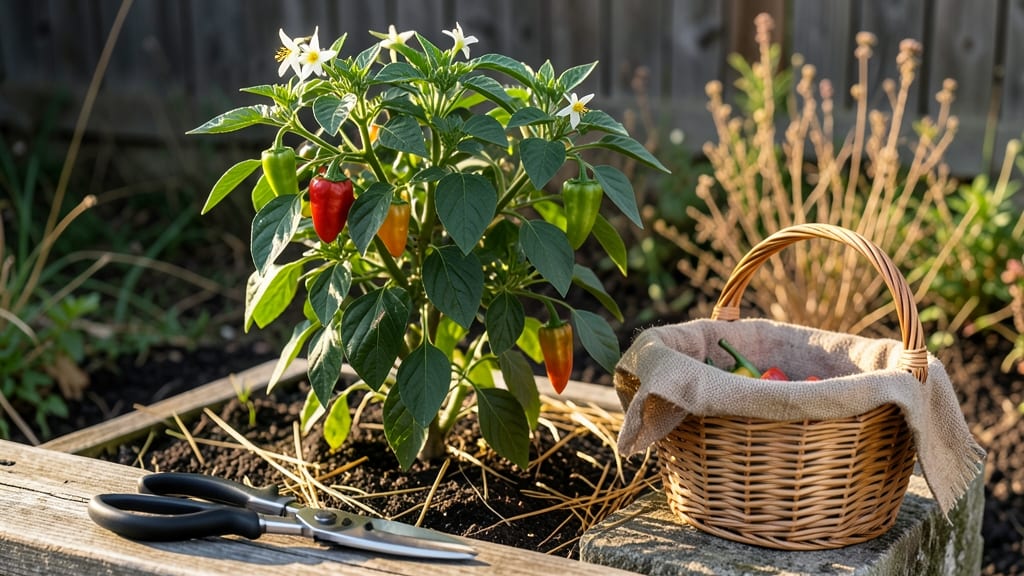
Harvesting ghost peppers at the right time means the difference between a fiery kick and a mild disappointment 🌶️ — and those 90 to 120 days of growth fly by faster than you think.
Picture this: you’ve nurtured your plant through spring showers and summer heat, only to realize the peppers turned bright red but still feel soft. Too late! Or worse, you snip them green, missing out on the peak heat they’re capable of.
The good news? Three simple visual cues will tell you exactly when to reach for those pruners.
Color isn’t the only clue—firmness and stem separation matter just as much. A fully mature ghost pepper should be glossy, firm, and snap cleanly at the stem.
Ignore these signs, and you might end up with peppers that are either underripe or overripe, both of which dull the fiery potential you’re growing them for.
In this guide, I’ll walk you through the exact moment to harvest, how to spot early vs. late peppers, and why timing matters more than you’d expect. No guesswork—just a foolproof way to lock in that signature ghost pepper heat.
3 Visual cues to harvest ghost peppers at peak heat
Ghost peppers reach their maximum heat potential when harvested at the perfect moment—too early, and you lose capsaicin intensity. Too late, and the peppers lose flavor and texture.
The key? Learning to read these three visual cues that scream "harvest now!" before they overripe. I’ve grown ghost peppers for years, and these signs never fail me.
First, let’s talk about color transformation, the most obvious clue. Ghost peppers start green but mature into bright red, white, or even dark brown hues, depending on the variety.
This isn’t just about aesthetics—it’s a direct indicator of heat development. But color alone isn’t enough; you’ll also need to check size and firmness to confirm readiness.
Here’s the game-changer: when all three cues align, you’ve hit the sweet spot for spice. Miss one, and you risk a harvest that’s either too mild or past its prime. Let’s break down each visual signal so you can pick your ghost peppers at their peak.
-
1. Full Color Maturity
Ghost peppers turn bright red, white, or deep brown when ready. Avoid harvesting if they’re still green or partially colored—this means lower heat levels. -
2. Firm, Waxy Texture
Press a pepper gently—it should feel firm and slightly waxy. Soft or spongy peppers are overripe and lose potency. -
3. Clean Stem Separation
Gently twist the pepper at the stem—it should snap off cleanly. If it resists, wait a few days. If it pulls away easily but leaves part of the stem, it’s ready to harvest.
Let’s start with color, the first cue most gardeners notice. Ghost peppers begin as green fruits, but their true heat potential unlocks only when they fully mature into their signature hues.
For most varieties, this means a vibrant red or white. Some heirloom types even turn dark brown or black—don’t let the color fool you into thinking they’re overripe.
I once harvested a batch of ghost peppers that were half-green, half-red, thinking they’d ripen further off the plant. Big mistake—the red halves had 50% less capsaicin than fully mature peppers.
Always wait until the entire pepper reaches its final color before picking. Pro tip: Use a small magnifying glass to check for uniform color on all sides.
Next up is size and firmness, which tells you whether the pepper has reached its optimal heat development. Ghost peppers typically grow to 2-4 inches long at peak ripeness.
Smaller peppers (under 2 inches) are underdeveloped and lack the full spice profile you’re after. But here’s the catch: size alone isn’t enough. You also need to feel the texture.
A ripe ghost pepper should feel firm and slightly waxy to the touch, almost like a plump apple. If it feels soft or mushy, it’s past its prime and the capsaicin levels drop.
I test firmness by gently pressing a pepper with my thumb—if it leaves a slight indent, it’s ready. If it feels spongy, it’s time to skip that pepper and wait for the next batch.
The final cue is often overlooked but is the most reliable indicator: stem separation. When a ghost pepper is truly ready, its stem will detach cleanly with a slight twist.
This isn’t just about ease of harvest—it’s a sign the pepper has fully matured and the plant is ready to redirect energy to new fruits. To test, hold the pepper near the stem and give it a gentle quarter-turn.
If the stem snaps off without resistance, you’ve got a winner. If it resists or tears, the pepper needs more time. I’ve found that morning harvests work best for this test—peppers are firmer after a night’s rest, making the stem separation test more accurate.
Never pull peppers by the stem; always twist at the base to avoid damaging the plant.
One common mistake I see is harvesting based on size alone. A 3-inch ghost pepper that’s still green won’t deliver the heat you’re craving. Always cross-reference color, firmness, and stem separation.
For example, a red pepper that’s soft is overripe, while a green pepper that snaps easily is underripe. Trust the combination of cues, not just one.
Timing your harvest this way ensures you get ghost peppers packed with capsaicin, the compound that gives them their legendary 500,000–1,000,000 Scoville heat units. Miss the window, and you’ll end up with milder, less flavorful peppers—or worse, ones that’ve lost their crunchy texture and turned mealy.
That’s why I harvest mine every 2–3 days during peak season to catch them at the perfect moment.
Now that you know the three visual cues, you’re ready to harvest ghost peppers that sear with heat. Grab your pruners, check for full color, firm texture, and clean stem separation, and enjoy the reward of homegrown fire in every bite.
Just remember: patience is key—waiting for the perfect pepper is worth the spicy payoff.
How ghost pepper color changes signal ripeness (and when to avoid harvesting)
Ghost peppers transform through distinct color phases, each marking a critical stage in their heat development. The green stage signals early growth, while red or white indicates peak ripeness. But wait too long, and they’ll turn dark brown or wrinkled, losing their fiery punch.
Understanding these shifts ensures you harvest at the perfect moment for maximum capsaicin—nature’s built-in heat meter.
Your ghost pepper’s color isn’t just a pretty hue—it’s a direct readout of its spice potential. A bright green pepper is still maturing and lacks full heat. Once it transitions to red or white, it’s primed for picking.
But if you miss this window, the pepper may overripen, becoming tough and losing its signature kick. Think of it like a spicy traffic light: green means go slow, red means go harvest!
Harvesting a green ghost pepper is like stealing a firecracker before it’s lit—you’ll get mild heat and a bitter taste. Wait until the pepper turns fully red or white, depending on your variety.
At this stage, the capsaicin levels peak, delivering that legendary ghostly burn. For example, the classic Bhut Jolokia variety hits its spiciest when deep red, while some heirloom types stay white.
If you ignore these cues and let peppers overripe, they’ll shrivel into dark brown husks, their heat dissipating like steam on a hot pan. Overripe peppers also attract pests and lose their glossy sheen.
To test readiness, gently twist the pepper—if it snaps cleanly from the stem, it’s harvest-ready. If it resists or feels mushy, hold off for another week.
Pro tip: Morning harvests work best because peppers are firmer after overnight cooling. Use clean pruning shears to avoid damaging the plant, and leave a tiny stem attached to preserve freshness.
Store harvested peppers in a cool, dry place (60-70°F) to slow ripening. If you’re drying them, wait until they’re fully colored—this concentrates the heat into every seed.
Remember, color isn’t the only clue. Pair it with size (2-4 inches) and firmness (no soft spots). When all three align, you’ve got a perfectly timed harvest—ready to dry, ferment, or freeze for future spicy adventures.
Miss the window, and you’ll be left with peppers that lack the intensity you’ve cultivated all season.