
Picking
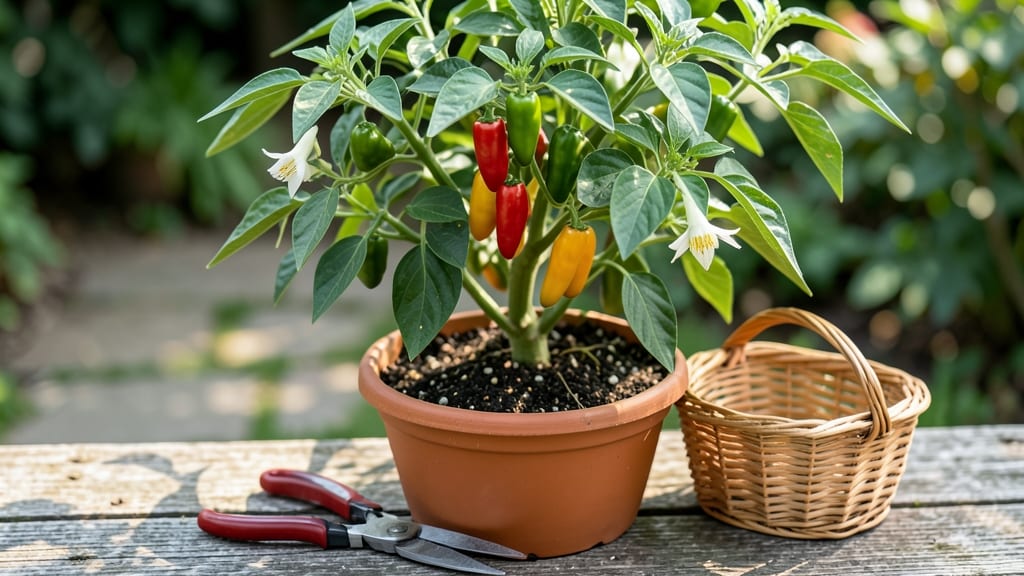
To pick a serrano pepper at its peak heat and flavor, watch for the bright green turning red or yellow—this color shift signals the perfect moment.
Picking serrano peppers too early means bitter, underripe peppers, while waiting too long can dull their fiery kick. One wrong move, and you miss out on that perfect balance of heat and sweetness.
In warmer climates like USDA Zone 6a, you’ll harvest from July to October, but cooler regions may need to pick earlier. The key is checking for glossy skin, a slight give when pressed, and a length of 2-4 inches.
Below, I’ll break down the exact color stages, texture cues, and seasonal timing so you never pick a pepper too soon—or too late.


Serrano pepper color stages: when green turns to perfect heat
Serrano peppers start their life as bright green pods, but their color evolution is the real magic show. Each shift—from light green to red or yellow—signals changes in spice intensity, texture, and even flavor profile.
Knowing these stages helps you harvest at peak heat, whether you're making salsas or drying peppers for later use.
The journey begins with deep green serranos, which are often picked early for milder heat and crisp texture. These peppers are typically 2-3 inches long and firm to the touch.
They pack a punch but lack the complexity of fully ripened peppers. If you're short on time or need peppers for quick cooking, this stage works—but don't expect the boldest flavor.
As serranos mature, they transition to a light green or yellowish hue, signaling the start of sugar development. This stage is where many home gardeners make the call: harvest now for a balance of heat and sweetness, or wait for full ripeness.
The skin may soften slightly, and the pepper's glossiness increases. This is the "sweet spot" for many hot sauce enthusiasts.
Here’s a quick reference to guide your harvest timing:
| Stage | Color | Size | Heat Level | Best For |
|---|---|---|---|---|
| Early Green | Deep green | 2-3 inches | Moderate (5,000-10,000 SHU) | Quick cooking, pickling |
| Light Green | Pale green/yellowish | 3-4 inches | Balanced (10,000-15,000 SHU) | Salsas, fresh eating |
| Ripe (Red/Yellow) | Bright red or yellow | 3-5 inches | Peak (15,000-23,000 SHU) | Drying, sauces, fermenting |
The final stage is where serranos reach their peak heat and sweetness: bright red or yellow. At this point, they’re typically 3-5 inches long and may even wrinkle slightly as they dry out.
The capsaicin content (what makes them hot) is at its highest, but so is the sugar content, creating a complex flavor. This is the stage for drying peppers or making hot sauces.
Climate plays a role in color progression. In hotter regions, serranos may ripen faster and turn red or yellow more quickly. In cooler climates, they might stay green longer or develop a yellowish tint before turning red.
If frost threatens before peppers ripen, harvest them green—they’ll still pack a punch, just with less sweetness.
Pro tip: Twist peppers at the stem to avoid damaging the plant. If the pepper resists slightly, it’s ready. If it snaps off easily, it’s overripe. For consistent heat, aim to harvest when 70-80% of peppers have reached your target color stage.
This ensures you’re not waiting too long or picking too early.
Overripe serranos lose potency and can become leathery or shriveled. Their heat drops, and they may develop a bitter aftertaste. To avoid this, monitor your plants closely, especially in late summer when peppers ripen quickly.
A quick glance at the color chart above will keep you on track for perfectly timed harvests every season.
🌶️
Texture and size check: how to test serrano pepper ripeness before picking
Serrano peppers reach their peak heat and flavor when harvested at the right texture and size. Unlike some peppers, they don’t always change color dramatically, so you’ll need to rely on physical cues.
Start by checking the firmness—a ripe serrano should feel slightly firm but yield just a bit when pressed with your fingernail, like a ripe avocado.
Next, examine the size. Ideal serrano peppers typically measure between 2 to 4 inches in length. Smaller peppers (under 2 inches) are usually underripe and bitter, while oversized ones may have lost some of their fiery punch.
Pay attention to the calyx (the leafy top) too—it should separate easily from the pepper when gently twisted.
Don’t overlook the glossy finish either. A ripe serrano will have a shiny, almost waxy surface. Dull or wrinkled skin signals overripeness or stress. If you’re growing in a humid climate, peppers may ripen faster, so monitor them closely to avoid missing the window.
Avoid These Common Mistakes
Premature picking (under 2 inches) leads to bitter, underdeveloped peppers. Overripe peppers (wrinkled, dull) lose potency and texture. Always check 3 cues: size, firmness, and calyx separation before harvesting.
One of the biggest mistakes I see is picking serranos based solely on color. While green peppers are edible, they’re often milder and less flavorful. Wait for a slight shift to light green or yellowish-green for maximum heat.
In cooler climates, peppers may stay green longer—don’t rush them unless you’re desperate for a harvest.
For consistent results, pick serranos in the morning when temperatures are cooler. This reduces stress on the plant and ensures you’re harvesting at the day’s peak ripeness.
Use clean, sharp pruning shears or scissors to snip the pepper just above the calyx. Avoid tugging, which can damage the plant and leave it vulnerable to disease.
If you’re unsure whether a pepper is ready, err on the side of waiting. Serrano peppers won’t continue ripening well once picked, so a few extra days on the plant can make a big difference in flavor and heat.
Store unripe peppers in a cool, dark place for 1-2 days—they might just reach peak ripeness before your eyes.
Pro tip: Keep a harvest journal to track pepper ripening times in your specific climate. Note the days from flowering to harvest, as this varies based on temperature and variety. Over time, you’ll develop an intuition for when your serranos are ready to pick—no guesswork required!