
How To
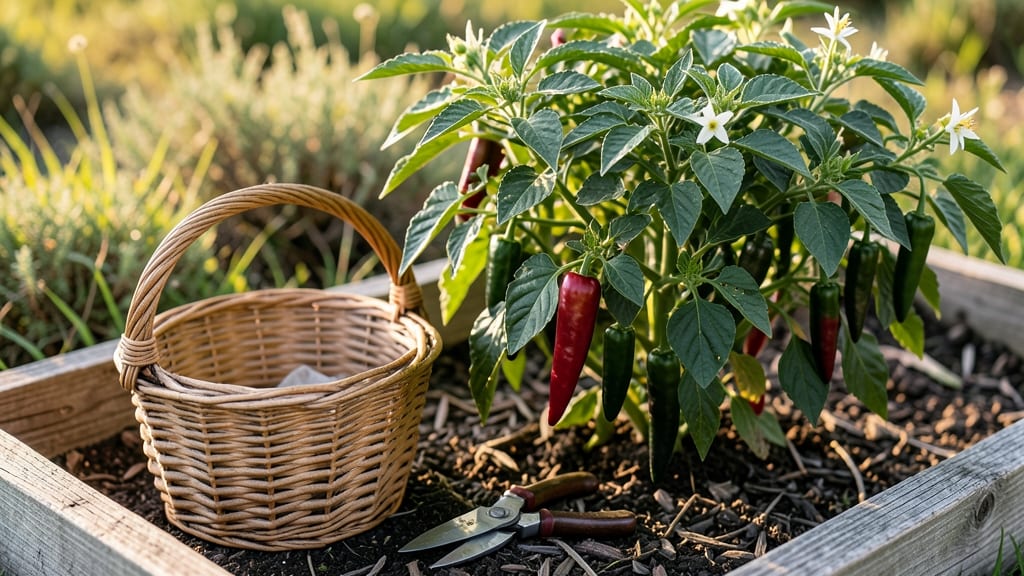
To pick Datil peppers at their peak, watch for the color shift from green to deep red, orange, or yellow—this signals the perfect balance of heat and flavor.
Harvesting too early means missing out on the full spice punch, while waiting too long turns them mealy and dull. I’ve learned the hard way that timing is everything—one wrong week can ruin a batch meant for drying or fresh eating.
Beyond color, firmness and size matter just as much. A ripe Datil pepper should be plump, glossy, and give slightly when pressed, not dent like an overripe tomato.
Below, I’ll break down the three key clues to spot when your peppers are ready, plus how climate and plant age can tweak your harvest window.
Whether you’re growing in zone 6a or a warmer region, these tips will help you nail the harvest every time—no guesswork, just perfect peppers straight from the plant.
Datil pepper color guide: when green turns to perfect heat
Datil peppers start their life as vibrant green pods, but their true potential unfolds as they transition through stunning color stages. Each hue isn't just a visual progression—it signals changing spice levels, texture, and even culinary uses.
Understanding these color cues helps you harvest at the perfect moment for maximum heat and flavor, whether you're using them fresh or dried.
The journey from green to red (or yellow/orange, depending on the variety) is your roadmap to ideal harvest timing. For example, green datil peppers are mild and crisp, perfect for salads, while fully ripened red datil peppers deliver bold heat and rich, sweet undertones.
Regional climates can accelerate or slow this process, so knowing your local growing conditions is key to timing your harvest just right.
Color progression directly impacts capsaicin development, the compound responsible for heat. Green peppers contain minimal capsaicin, but as they ripen to yellow, orange, or red, heat levels can increase by 300-500%. This means waiting for the right color ensures you're getting the most potent flavor—ideal for sauces, powders, or drying.
In tropical climates, datil peppers may ripen faster due to consistent warmth, while cooler regions like the Mediterranean might see slower color transitions.
For example, in Florida, peppers can go from green to red in 6-8 weeks, whereas in California, the process might stretch to 10-12 weeks depending on summer heat.
If you're growing datil peppers for drying or powdering, aim for the red stage, as this is when capsaicin peaks. However, if you prefer milder flavors for fresh dishes, harvesting at the yellow or orange stage gives you a balanced heat profile.
Always check for plumpness and glossiness—these are key indicators of ripeness, regardless of color.
One common mistake is waiting too long for color change, especially in humid climates where peppers may stay green longer. If your datil peppers aren't changing color after 8-10 weeks of growth, check for nutrient deficiencies (like lack of phosphorus) or shade issues.
A quick fix is to move plants to a sunnier spot or add a balanced fertilizer with higher phosphorus content.
For regional variations, datil peppers grown in arid climates (like parts of Mexico) tend to develop deeper reds faster, while those in high-humidity areas may take longer to ripen fully.
Pay attention to your local microclimate—if summers are short, start harvesting at the yellow stage to ensure you get any peppers at all.
Pro tip: Use a digital thermometer to monitor pepper temperatures. Fully ripened datil peppers often feel slightly warmer to the touch due to increased metabolic activity.
This subtle warmth is a hidden clue that your peppers are ready for harvest—especially useful in cloudy or overcast conditions where color changes might be less obvious.
Finally, remember that harvest frequency
Texture and size: 3 tactile tests to confirm ripeness
Datil peppers are ready to pick when they pass three simple tactile tests—firmness, skin thickness, and stem separation. These hands-on checks help you avoid the common mistake of harvesting too early (mild flavor) or too late (overripe and pithy).
I’ve used these tests for years to ensure maximum heat intensity and sweetness in my harvests.
Start by selecting a pepper that’s reached its full expected size (typically 2–4 inches long). A slight give when pressed indicates ripeness, while a hard pepper is underripe and a mushy one is past its prime.
This tactile feedback is your best tool for perfect timing without relying solely on color.
- 1. Firmness Test: Gently squeeze the pepper—it should yield slightly (like a ripe avocado) but not dent. Overripe peppers feel soft or wrinkled, while underripe ones are rock-hard.
- 2. Skin Thickness: Pinch the pepper’s skin—ripe datils have thick, glossy skin that’s easy to grip. Thin or leathery skin signals overripeness, while tender skin means it’s not ready.
- 3. Stem Separation: Twist the pepper gently at the stem. A ripe pepper will snap cleanly with minimal resistance. If the stem resists or tears, wait a few days.
One mistake I see often is picking datil peppers too early for heat development. Green peppers may look ripe but lack the spicy kick of fully mature ones.
Always wait until the pepper’s color deepens to red, orange, or yellow (depending on the variety) and passes the tactile tests above.
For dried datil peppers, harvest when the skin is slightly thicker and the pepper feels firmer than for fresh use. This extra thickness ensures better preservation. I like to pick these in the morning after dew dries—the cooler temps help lock in flavor.
If your datil peppers feel too soft or shriveled, they’ve likely overripe. While still edible, they’ll have less heat and more bitterness. To avoid this, check your plants every 2–3 days during peak harvest season (July–October in most climates).
Pro tip: Use a small notebook to track pepper sizes and firmness over time. This helps you recognize the ideal ripeness window for your specific growing conditions. Over time, you’ll develop an instinct for when to pick—no guesswork needed!