
Picking
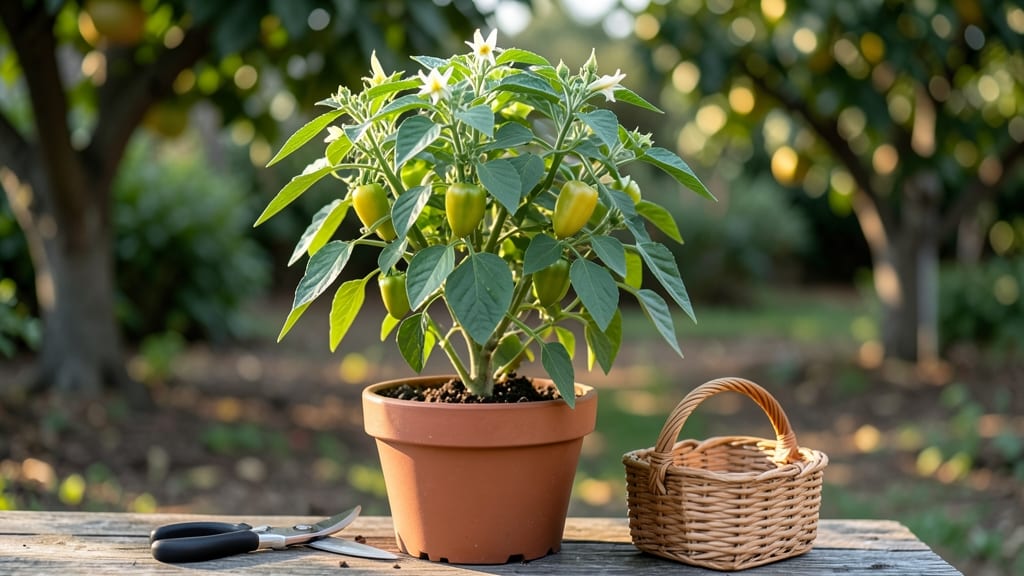
Picking pepperoncini at the right time transforms them from bland to bold—think crisp, tangy bites that elevate any dish 🌶️.
Ever snipped into a pepper only to find it still tough and flavorless? Or worse, let it turn rubbery on the vine? Timing is everything, and these little green powerhouses give you clear signals when they’re ready—if you know what to look for.
From bright green and firm to the perfect 2-3 inch size, I’ll walk you through the three key tests that guarantee peak flavor, whether you’re pickling them or slicing them fresh.
You’ll also learn how heat and humidity can trick your harvest timing, plus the one simple trick to keep your pepperoncini fresh for weeks after picking.
3 Visual cues to harvest pepperoncini at perfect ripeness
Picking pepperoncini at the right moment transforms them from bland to bold—think crisp texture and that signature tangy kick. But how do you know when they’re truly ready? Unlike tomatoes or bell peppers, pepperoncini don’t ripen after picking, so timing is critical.
These vibrant green peppers reveal their readiness through three key visual cues: size, color, and shape. Mastering these will ensure you harvest peppers that shine in salads, antipasto platters, or jarred marinara.
First-time growers often make the mistake of harvesting too early, resulting in peppers that are watery and underdeveloped. Others wait too long, ending up with peppers that turn yellowish-green and lose their signature crunch.
The secret lies in catching them at the peak of maturity, when they’re firm, glossy, and packed with flavor. Let’s break down exactly what to look for in your garden.
| Visual Cue | Ready Pepperoncini | Not Ready Pepperoncini | Action to Take |
|---|---|---|---|
| Size | 2-3 inches long | Smaller than 1.5 inches | Wait 5-7 more days |
| Color | Bright, glossy green | Pale or uneven green | Check again in 3-4 days |
| Shape | Firm, slightly tapered | Soft or wrinkled | Remove from plant immediately |
| Stem | Snaps cleanly when twisted | Resists or tears | Wait 1-2 more days |
Let’s start with size, the most straightforward cue. Pepperoncini should measure between 2 and 3 inches in length when ready to harvest. If you’re using a ruler, aim for the 2-inch mark as the absolute minimum for peak flavor.
Smaller peppers are still developing and will lack the crisp texture and bold taste you crave. Pro tip: Compare your pepperoncini to a standard pencil—if it’s longer than the pencil’s barrel, it’s likely ready.
Next, focus on color, which is where many gardeners go wrong. Ready-to-harvest pepperoncini should boast a vibrant, glossy green hue. Think of it as the color of fresh spring grass after a morning dew.
Avoid peppers with yellowing tips or uneven patches, as these signal overripeness. Overripe pepperoncini lose their signature crunch and develop a slightly bitter taste—definitely not what you want in your antipasto platter.
The third visual cue is shape and firmness, which tells you whether the pepper is at its peak texture. A perfectly ripe pepperoncini should feel firm to the touch with just a slight give—like squeezing a ripe avocado. If it feels soft or wrinkled, it’s past its prime.
On the flip side, if it’s rock-hard, it’s not ready yet. Gently twist the pepper at the stem; if it snaps cleanly, it’s time to harvest. This method also helps prevent damage to the plant.
One common mistake I see in home gardens is harvesting pepperoncini when they turn red. While some varieties of peppers improve with color changes, pepperoncini are best picked when fully green.
The red stage indicates overripeness, which dulls their signature tangy flavor. Save those red peppers for decorative purposes or compost—they won’t deliver the same punch as their green counterparts.
Seasonal timing also plays a role in pepperoncini ripeness. In hotter climates, peppers may mature faster, while cooler regions might see a slower development. Pay attention to your local growing zone—pepperoncini typically take 75-90 days to reach harvest readiness from seed.
If you’re starting with transplants, you might see peppers ready in as few as 60 days, depending on growing conditions.
For container growers, keep an eye on crowding, which can stunt pepper development. Pepperoncini plants need at least 18 inches of space between them to thrive. If your peppers are smaller than expected, they might be competing for nutrients.
In this case, harvest the largest peppers first to encourage the remaining ones to grow bigger. Regular harvesting also stimulates more production, so don’t be shy about picking those ripe beauties!
Finally, store your freshly harvested pepperoncini in the fridge for up to 2 weeks to preserve their crunch. For long-term storage, consider pickling or freezing them. But remember, once picked, pepperoncini won’t improve—they’re at their best the moment they leave the plant.
So mark your calendar, set reminders, and keep those visual cues in mind to enjoy the most flavorful pepperoncini of the season.
How to test pepperoncini ripeness without mistakes
Picking pepperoncini at the wrong stage can turn your bold antipasto flavors into bitter disappointments. These peppers mature quickly, so knowing the exact moment to harvest—without cutting them too soon—is key. The good news? Three simple tests reveal their readiness better than any calendar ever could.
First, examine the pepper’s size. Mature pepperoncini should measure 2-3 inches long and feel heavy for their size. Smaller peppers (under 1.5 inches) lack the crunch and sweetness you crave in dishes. Compare them to a standard pencil—if they’re shorter, they’re not ready yet.
Next, perform the squeeze test. Gently press a pepper between your thumb and forefinger. A ripe pepperoncini will feel firm yet slightly yielding, like a ripe avocado. If it’s rock-hard or squishy, it’s either premature or overripe. This tactile check is foolproof for avoiding mushy or underdeveloped peppers.
Then, check the stem resistance. Twist the pepper gently at its base. If the stem snaps cleanly with minimal force, it’s ready to harvest. If it resists or pulls away with the fruit, wait a few days. This trick ensures you’re harvesting at peak texture and flavor.
For extra precision, use the reference pepper method. Keep a few mature pepperoncini from your last harvest as benchmarks. Compare their size, color, and firmness to current peppers. This visual guide helps you spot ripeness consistently, especially when growing multiple plants.
Avoid harvesting in hot afternoons when peppers are stressed. Early morning yields the freshest results, as cool temperatures preserve their crispness. Store harvested pepperoncini in a paper bag in the fridge for up to 2 weeks to maintain their signature snap.
Mastering these tests ensures your pepperoncini deliver the crunchy, tangy punch they’re famous for—every time. With practice, you’ll harvest like a pro, ready to elevate any dish from the garden to the table. 🌱