
Featured
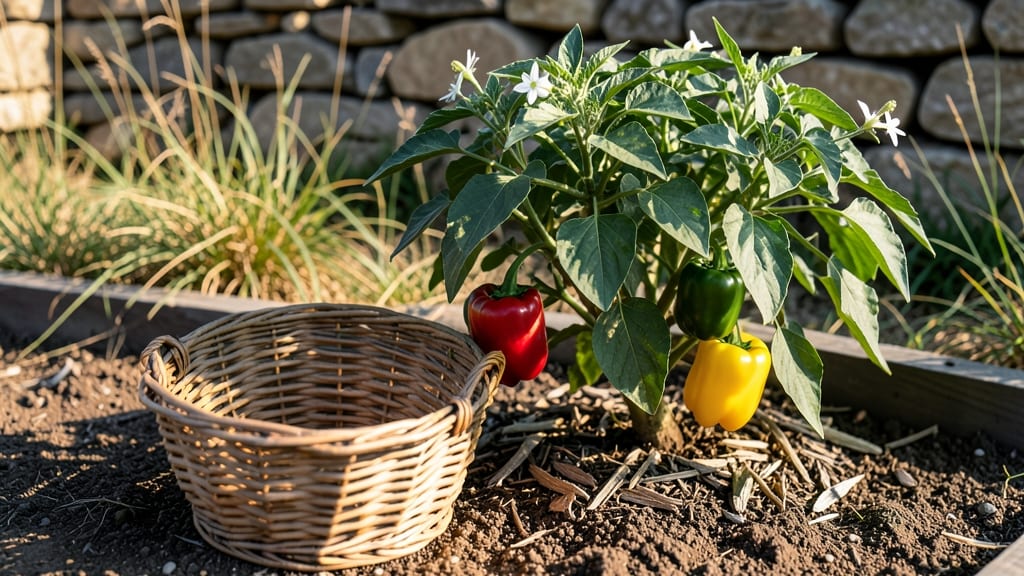
Can dogs eat pepper? Only mild, cooked bell peppers in very small portions are safe, while most peppers—especially raw, spicy, or seasoned varieties—contain capsaicin, essential oils, or high acidity that can cause vomiting, diarrhea, or even pancreatitis. Always check with your vet before sharing any human food.
Bell peppers are the only pepper type generally safe for dogs when prepared properly—steamed or boiled, unseasoned, and seedless. 🌶️ The key risk comes from other peppers like jalapeños or black pepper, which contain capsaicin that irritates a dog's mouth, paws, and digestive system.
Even a tiny amount of hot sauce or seasoning can trigger severe reactions, so it's safer to stick to dog-friendly veggies like carrots or green beans if you're unsure.
Portion control matters too: a single teaspoon of cooked bell pepper per 20 pounds of body weight is a good starting point for most dogs.
If you're curious about alternatives, many dog-safe herbs like basil or parsley offer flavor without risk. Always introduce new foods gradually and watch for any signs of discomfort—this way, you can enjoy treats without worrying about your pup's health.
💡 In This Article
- Toxic Pepper Compounds in Dogs: Capsaicin, Essential Oils, and More
- Safe Pepper Alternatives for Dogs: Bell Peppers, Herbs, and Dog-Friendly Snacks
Toxic pepper compounds in dogs: capsaicin, essential oils, and more
The danger in peppers for dogs starts with capsaicin, the compound that gives chili peppers their heat. This irritant binds to TRPV1 receptors in a dog's mouth, paws, and digestive tract, triggering burning sensations, excessive drooling, and even paw licking that can cause secondary irritation.
Jalapeños contain about 2,500-8,000 Scoville Heat Units (SHU), while habaneros pack 100,000-350,000 SHU—enough to cause severe gastrointestinal upset or pancreatitis in dogs. 🔥
Chili peppers also contain volatile essential oils like terpenes, which act as natural pesticides but are toxic to dogs when ingested. These oils can damage red blood cells, leading to hemolytic anemia in severe cases.
Even black pepper, though not spicy, contains piperine—a compound that stimulates gastric acid production, potentially causing ulcers or chronic inflammation in sensitive dogs. The threshold for concern is shockingly low: just 0.05% of a dog's body weight in capsaicin can trigger symptoms.
Acidity plays a critical role too. Many peppers have a pH between 4.5-5.5, which is far more acidic than a dog's stomach (pH 1-3). This imbalance can overwhelm their digestive system, leading to vomiting, diarrhea, or even pancreatitis—a painful inflammation of the pancreas that requires emergency vet care.
For context, a single habanero pepper contains enough acidity to disrupt a 20-pound dog's digestive balance for days.
What most owners don't realize is how seasonings amplify these risks. Even a tiny amount of hot sauce or garlic powder on a pepper can contain allium compounds (toxic to dogs) or excessive salt/sugar, which cause dehydration or metabolic issues.
The safe bet? Stick to unseasoned, cooked bell peppers—they're the only pepper type with negligible capsaicin (0 SHU) and safe acidity levels.
Here's how the compounds compare in common peppers:
- Bell peppers: 0 SHU, pH ~4.5 (safe when cooked)
- Jalapeños: 2,500-8,000 SHU, pH ~4.2 (toxic raw)
- Habaneros: 100,000-350,000 SHU, pH ~4.0 (extremely dangerous)
- Black pepper: 0 SHU but contains piperine (gastric irritant)
The takeaway? If your dog sniffs a pepper, act fast: rinse their mouth with water and monitor for 24 hours for symptoms like pawing at the mouth, excessive thirst, or lethargy.
When in doubt, skip the peppers entirely—there are plenty of dog-safe veggies that offer similar crunch without the risks. 💫