Pests and Diseases
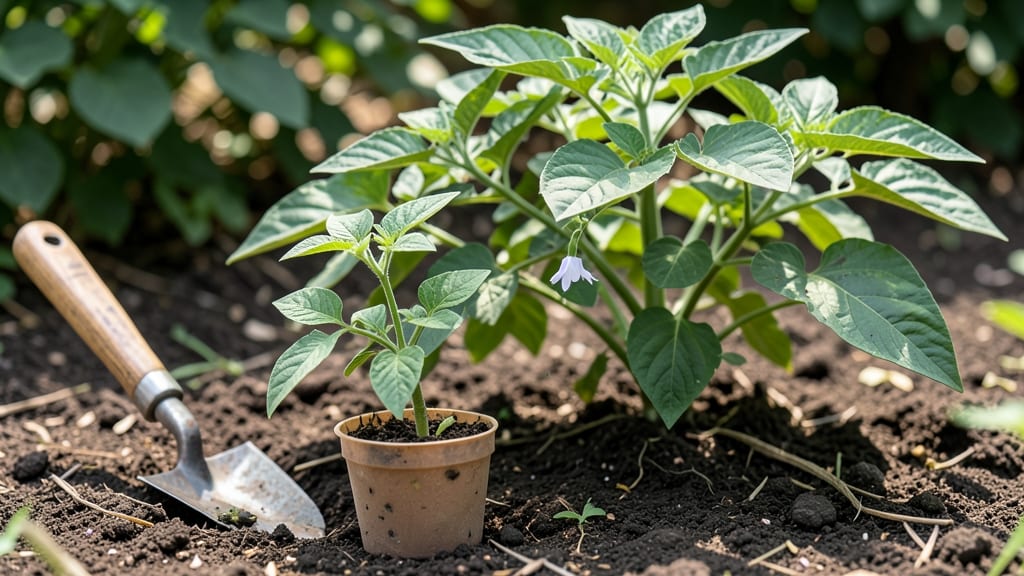
Peppers and potatoes should not be planted together because they share common diseases like blight and attract similar pests, which can devastate both crops. Instead, space them apart or use companion plants like basil or marigolds to improve garden health.
Peppers and potatoes belong to the same plant family (Solanaceae) and share vulnerabilities like late blight and verticillium wilt, which spread easily through soil and air. 🌱 The same pests—like Colorado potato beetles—target both crops, creating a vicious cycle where one infected plant can ruin neighboring plants.
Even if you rotate crops yearly, planting them together increases the risk of cross-contamination, making prevention far easier than treatment.
For a healthier garden, try planting peppers near onions or spinach, which repel pests naturally. If space is limited, use raised beds or containers to separate them completely—this simple step can save your entire harvest from ruin.
💡 In This Article
- Why Peppers and Potatoes Are Poor Garden Companions
- Best Alternatives for Planting Peppers and Potatoes Nearby
Why peppers and potatoes are poor garden companions
The real issue with planting peppers and potatoes together isn't just about space—it's about their shared biological vulnerabilities. Both belong to the Solanaceae family, which means they're susceptible to the same fungal diseases like late blight (Phytophthora infestans) and verticillium wilt (Verticillium dahliae).
These pathogens thrive in moist soil and can spread through wind, water, or even garden tools, turning a small infection into a garden-wide epidemic. 🌱
Let's talk numbers: Late blight alone can destroy up to 70% of potato crops in severe outbreaks, and peppers aren't far behind. The fungus spreads at temperatures between 60-75°F, which is also the ideal growing range for both plants.
What makes this worse is how the disease manifests—potatoes develop dark, greasy spots on leaves and tubers, while peppers show similar symptoms on stems and fruits, making early detection nearly impossible.
Pests compound the problem. The Colorado potato beetle, for example, doesn't just target potatoes—its larvae happily munch on pepper plants too. These beetles lay eggs in clusters of 50-100 eggs per female, and once the larvae hatch, they can strip a plant bare in 10-14 days.
The same goes for aphids, which suck sap from both plants while spreading viral diseases like potato virus Y.
Even their nutrient needs create competition. Both plants are heavy feeders, particularly during their fruiting stages. Potatoes need nitrogen-rich soil for tuber development, while peppers require phosphorus and potassium for fruit production.
When planted together, they'll both compete for these same nutrients, leading to stunted growth and reduced yields for both crops. 🌿
Consider this real-world example: In 2018, a study by the University of Wisconsin-Madison found that gardens where peppers and potatoes were planted within 3 feet of each other had 40% higher disease incidence compared to gardens where they were separated by at least 10 feet.
The key factor? Disease spores had an easier time jumping between plants when they were in close proximity.
What most gardeners don't realize is how quickly these problems escalate. A single infected plant can contaminate an entire bed through spore dispersal (which can travel up to 100 feet on wind currents) or through root grafts where plants share underground nutrients.
Once established, these diseases can persist in the soil for years, making prevention the only viable strategy. ✨