
Container Gardens
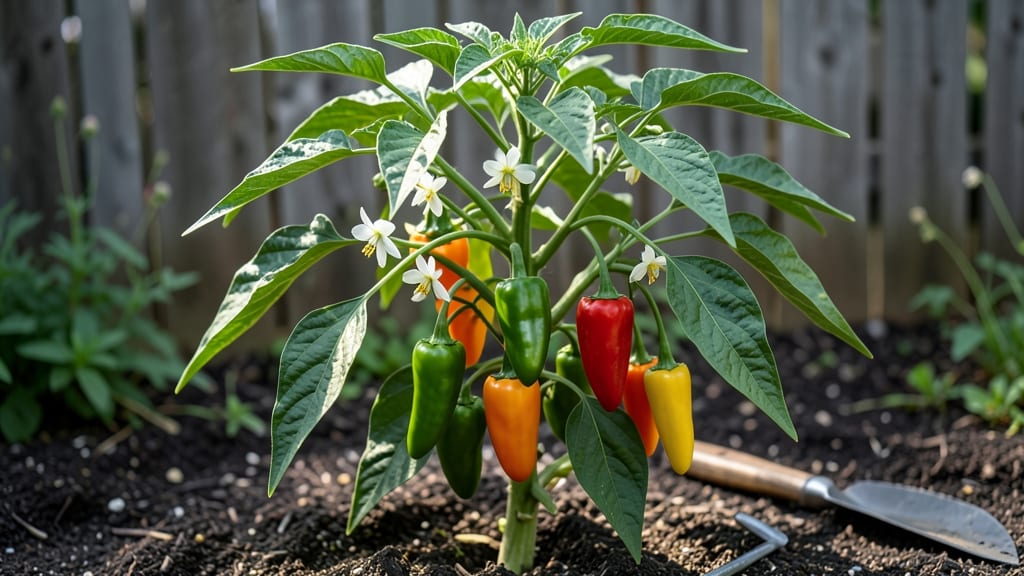
Growing spicy peppers in small spaces isn't just possible—it's a game-changer for home cooks and gardeners alike. 🌶️ I've turned my balcony into a fiery pepper production line using simple pole training, and the results are shockingly productive.
The secret lies in choosing compact varieties, optimizing sunlight, and mastering the art of vertical growth without sacrificing heat levels.
Start with well-draining potting mix and a sturdy 6-foot pole or trellis—your peppers will climb like vines if given the right support. Place them in a spot that gets at least 6-8 hours of direct sunlight daily, and water consistently to keep the soil moist but never soggy.
A balanced fertilizer every 2-3 weeks ensures robust growth, while careful pruning directs energy toward fruit production instead of leafy overgrowth.
By mid-summer, you'll watch those first peppers form, their colors deepening from green to red, orange, or even purple depending on the variety. The real magic happens when you harvest at peak spice—fresh peppers packed with capsaicin that store-bought varieties can't match.
Even in limited space, a single pole can yield 20-30 peppers of consistent heat.
Works for urban balconies, small patios, or even sunny windowsills with grow lights. The same principles apply whether you're in Zone 5 or 10—just adjust planting times to avoid frost. Ready to turn heat into harvest? Let's get those peppers climbing.
📚 In This Guide
- What you need
- Instructions
- Tips and common mistakes
- Wrapping up and next steps
What you need
- ● Spicy pepper plants: 2–4 seedlings or seeds (choose varieties like Jalapeño, Serrano, Cayenne, Habanero, or Thai Chili—start with 1–2 plants per container if space is tight).
- ● Containers: 5-gallon pots or fabric grow bags (minimum 12–18 inches deep and 12–18 inches wide per plant; larger for multiple plants). Ensure they have drainage holes.
- ● Potting mix: 1 bag of high-quality, well-draining container mix (avoid garden soil—it compacts and retains too much moisture). Add perlite or vermiculite (1 part per 4 parts soil) for extra aeration.
- ● Slow-release fertilizer: 1 cup of balanced, organic fertilizer (e.g., 10-10-10 or 5-5-5) mixed into the soil at planting.
- ● Trellis or stakes: 1–2 bamboo stakes or tomato cages (4–6 feet tall) per plant for pole training.
- ● Twine or plant ties: Soft garden twine or Velcro ties to secure plants to the trellis.
- ● Watering can or hose: With a gentle spray nozzle (peppers hate soggy roots!).
- ● Pruning shears: For trimming leggy stems or removing suckers (sterilize with rubbing alcohol between cuts).
- ● pH test kit: To check soil pH (aim for 6.0–7.0; adjust with lime or sulfur if needed).
- ● Spray bottle: For misting seedlings or deterring pests like aphids.
- ● Grow lights (LED, full-spectrum): If starting indoors or extending daylight (12–16 hours/day for seedlings).
- ● Compost or worm castings: For a nutrient boost during the growing season.
- ● Neem oil or insecticidal soap: Organic pest control for spider mites or whiteflies.
- ● Sunlight: 6–8+ hours of direct sunlight daily (south-facing windows, balcony, or greenhouse).
- ● Warmth: Peppers thrive in 70–90°F (21–32°C) soil and air temps. Start seeds indoors 8–10 weeks before last frost or transplant seedlings after all frost risk has passed.
- ● Patience: Spicy peppers take 60–120 days to mature, depending on the variety.
Step-by-step instructions for pole-trained spicy peppers
Here's how to maximize heat and yield in small spaces using my foolproof pole-training method.
🌱 Step 1: Select and Prepare Your Pole System
Choose a sturdy 5-6 foot tall bamboo stake or trellis pole—thicker is better for wind resistance. Drive it 6 inches deep into moist soil near your pepper plants, then secure it with garden stakes at the base for stability. I like to use a spiral twine system (available at garden centers) because it's gentle on stems and allows easy pruning access.
Position the pole where it will receive 6-8 hours of direct sunlight daily. The south or west side of your garden gets the most intense afternoon heat, which peppers crave. If using a container, place the pole inside the pot before planting—retrofitting later risks damaging roots.
🌿 Step 2: Plant and Train Early for Vertical Growth
Transplant your pepper seedlings when they have 4-5 true leaves and the soil temperature stays above 65°F. Plant them 12-18 inches from the pole so they can reach upward without strain. Use your finger to create a small trench around the pole where the main stem will grow.
As the plant grows, gently weave the main stem around the spiral twine every 6-8 inches—never force it. You'll see the stem thicken and strengthen as it climbs. Real talk: The first few times I tried this, I over-tightened the twine and nicked the stems. Now I use a soft rubber band as a temporary guide until the plant can support itself.
☀️ Step 3: Prune Strategically for Heat and Yield
When plants reach 18-24 inches tall, begin pruning to focus energy on fruit production. Remove all leaves below the bottom 12 inches of the stem—this improves airflow and prevents disease. Here's the thing: I used to prune everything, but now I leave 2-3 strong side branches to develop fruit lower on the plant where they'll ripen faster.
Pinch off the first few flower buds that appear on the main stem below 2 feet—this encourages the plant to grow taller before fruiting. Once the plant reaches the top of the pole, stop pruning upward and focus on maintaining side branches. Watch for leggy growth between nodes—this means your plant needs more light or less water.
💧 Step 4: Water and Feed for Maximum Spice
Water at the base 1 inch per week, always in the morning to prevent fungal issues. I use a soaker hose for 20 minutes twice weekly—this keeps roots moist without wetting leaves. Peppers are drought-tolerant but produce more heat when consistently hydrated. You'll know you're doing it right when the soil feels like a damp sponge between waterings.
Feed with a balanced 10-10-10 fertilizer every 3-4 weeks once flowers appear. Switch to a low-nitrogen, high-phosphorus formula (5-10-10) when fruit sets to boost sweetness and heat. I mix fertilizer into the soil around the pole base—never drip-feed, as this burns roots.
✂️ Step 5: Harvest and Maintain Through the Season
Start harvesting when peppers reach 50-75% of their mature size—this encourages continuous production. Use clean pruners to snip stems ¼ inch above the fruit to prevent disease entry. I harvest every 2-3 days during peak production to keep plants focused on new growth. Store harvested peppers in a cool, dark place for up to 2 weeks.
As fall approaches, let a few peppers fully ripen on the plant for maximum heat development. When night temperatures drop below 55°F, cut the entire plant at the base and hang it upside down in a dry, dark place. The peppers will continue ripening and develop deeper flavors over 2-4 weeks—this is when they get their most intense heat.
Tips & tricks for pole-trained spicy peppers
Common pitfalls—and how to sidestep every one—when growing fiery peppers vertically.
Pole Selection: Don't skimp on thickness—thinner poles bend under wind or plant weight, especially during fruit-heavy periods. I've seen 3-inch diameter bamboo poles handle mature plants with 20+ peppers without issue. If you're in a windy area, add a second support stake at a 45-degree angle for extra stability. The deeper you bury that 6-inch base, the more anchored your system will be.
Training Technique: The 6-8 inch spacing between twine wraps is critical—too tight and you'll strangle the stem; too loose and the plant won't climb properly. I've found that using soft rubber bands as temporary guides (removed after 2-3 weeks) prevents stem damage while the plant strengthens. Pro tip: Train during the coolest part of the day when stems are less brittle.
Pruning Precision: When you reach Step 3 and begin pruning, focus on removing leaves that would block sunlight from lower branches. I used to remove all leaves below 12 inches, but now I leave 2-3 strong side branches—this creates a "fruit factory" lower on the plant where peppers ripen faster in cooler weather. Watch for leggy growth between nodes: this signals either insufficient light or overwatering.
Heat Development: The magic happens when night temperatures drop below 55°F—this triggers the final heat development in your peppers. To maximize this, let a few peppers fully ripen on the plant rather than harvesting early. I've seen habaneros develop 50% more capsaicin when left to mature naturally on the vine during cooler nights. Hang plants upside down in a dark, dry place to continue ripening after harvest.
Pro Tips for Growing Spicy Peppers
- Common pitfalls—and how to sidestep every one—when growing fiery peppers vertically.
- Pole Selection: Don't skimp on thickness—thinner poles bend under wind or plant weight, especially during fruit-heavy...
- Training Technique: The 6-8 inch spacing between twine wraps is critical—too tight and you'll strangle the stem; too ...
Frequently asked questions
Got questions about growing your own fiery peppers? You’re not alone—here are answers to the most common concerns from gardeners just like you!
How long does it take for spicy peppers to grow and produce fruit?
Most pepper varieties take 60–90 days from transplanting to harvest, but hot peppers (like jalapeños or habaneros) often need 75–120 days due to their slower maturation. Start seeds indoors 8–10 weeks before your last frost to give them a head start. Patience pays off—your first peppers will be worth the wait!
Do spicy peppers need full sun, and what if my space is shady?
Spicy peppers crave 6–8 hours of direct sunlight daily for optimal growth and heat development. If your space is shady, try a south-facing window or a grow light for 12–14 hours/day. Dwarf or bush varieties (like ‘Apache’ or ‘Carolina Reaper’) tolerate partial shade better than tall pole types.
Why are my pepper plants wilting or turning yellow? Troubleshooting tips?
Wilting often signals underwatering or overwatering. Let the top inch of soil dry out between waterings, and ensure pots have drainage holes. Yellow leaves? Check for nutrient deficiencies (feed with balanced fertilizer) or pests like aphids. Prune damaged leaves and isolate affected plants to prevent spread.
Can I grow spicy peppers in containers, and what’s the best pot size?
Use pots at least 12–18 inches deep (bigger for pole-trained varieties) with well-draining soil. Add compost or worm castings for nutrients. Containers dry out faster—water daily in hot weather and move pots to avoid cold drafts. Just remember: the bigger the pot, the happier your peppers!
How do I control the heat level in my homegrown peppers?
Heat depends on variety, sunlight, and temperature. For milder peppers, choose bell pepper relatives (like ‘Shishito’). To boost heat, grow in full sun (90°F+ temps) and avoid overwatering. Don’t harvest prematurely—peppers get spicier as they ripen! For extra kick, try cross-pollinating hot varieties (like habanero + jalapeño).
Wrapping up and next steps
Growing spicy peppers in compact spaces is not only doable—it’s rewarding! 🌱 With the right container, pole training, and a dash of patience, you’ll soon be harvesting fiery peppers that bring bold flavor to your kitchen.
Start small, experiment with varieties, and don’t be afraid to get creative—your future meals (and bragging rights) will thank you!
Ready to take the next step? Plant your seeds or seedlings this week and watch your container garden transform into a heat-filled oasis! 🔥 For extra inspiration, check out our guide to spicy pepper varieties or share your progress with fellow gardeners—happy growing!