
Propagation
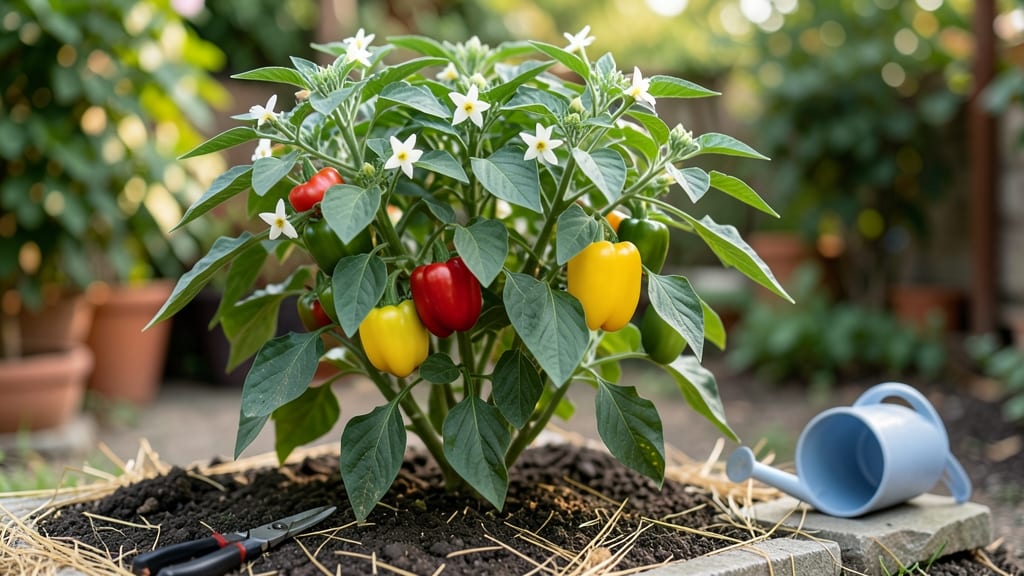
Determining how old pepper seeds from a salt-and-pepper shaker are requires patience: they usually take 10–14 days to sprout indoors, with full growth reaching 90–120 days until harvest under ideal conditions. Factors like seed age, moisture, and warmth significantly impact timing.
Understanding how old pepper plants get from those tiny seeds is fascinating because it reveals how much can change in just a few months. 🌱 The early stages—those first 10–14 days—are all about breaking seed dormancy, where consistent moisture and warmth (around 70–85°F) create the perfect environment for sprouting.
Once they push through the soil, you'll notice rapid growth during the first 30 days, with leaves expanding and roots establishing deeper. The real magic happens between 60–90 days, when flowering begins and you start seeing those telltale buds that will eventually become peppers.
What many gardeners don't realize is that store-bought pepper seeds often have shorter viability—sometimes just 1–2 years—which is why pre-soaking in warm water for 6–12 hours can dramatically improve germination rates.
I've found that seeds from older shakers (over 3 years) may take longer to sprout or fail entirely, so if you're working with mystery seeds, a quick viability test (soaking overnight) can save you weeks of waiting.
💡 In This Article
- Pepper Seed Germination Science: What Affects Speed and Success
- Growing Peppers from Salt-and-Pepper Seeds: Step-by-Step Care Guide
Pepper seed germination science: what affects speed and success
The germination timeline for pepper seeds from a salt-and-pepper shaker hinges on breaking seed dormancy—a natural state where seeds delay sprouting until conditions are ideal. Peppers have a hard seed coat that requires moisture to soften, allowing water to penetrate and trigger metabolic activity.
At 70–85°F, enzymes within the seed activate, breaking down stored nutrients like starches into sugars that fuel the sprouting process. This is why warm environments accelerate germination—cooler temperatures (60°F) can extend the process to 2–3 weeks or longer.
Moisture consistency is equally critical. Seeds need constant dampness (not soggy soil) to maintain the enzymatic reactions that drive growth. I’ve found that using a spray bottle to mist seeds daily—rather than drowning them—keeps humidity high while preventing fungal issues like damping off.
Light exposure during germination is less critical for peppers than for some other plants; in fact, darkness can help prevent premature sprouting. Once the radical (root) emerges, though, seedlings crave 12–16 hours of light daily to prevent leggy, weak growth.
Pre-treatment like soaking seeds in warm water for 6–12 hours can shave days off germination by softening the seed coat and jumpstarting hydration. Some gardeners also use scarification (lightly sanding the seed coat) to mimic natural weathering, though this is less common for pepper seeds.
The key takeaway? Seeds from older shakers (over 2–3 years) may have reduced viability, so if your germination rate drops below 50%, it’s worth testing freshness with a viability test.
Temperature fluctuations also play a hidden role. Peppers are tropical plants, so sudden drops below 55°F can stall germination entirely. I’ve seen seeds sprout in 7 days under consistent 80°F conditions but take 3 weeks in a 65°F environment.
This is why indoor growers often use heat mats ($15–$25) to maintain steady warmth. Even a 5°F variance can double germination time, so precision matters.
What’s often overlooked is the role of oxygen. Seeds need airflow to respire, which is why overcrowding seeds in a tray can suffocate them. Space them ¼-inch apart and use a well-aerated growing medium (like a 50/50 mix of peat and perlite) to ensure roots develop properly.
Without oxygen, seeds may rot before sprouting—a common issue with tightly packed seed trays.
Finally, genetic variability matters. Some pepper varieties (like jalapeños) germinate faster than others (like habaneros), which can take 16–21 days to sprout. If you’re unsure about your seed type, a quick Google search for the pepper’s name can reveal typical germination windows.
For example, bell pepper seeds often sprout in 10–14 days, while hotter varieties may lag by 3–5 days.