
Companion Plants
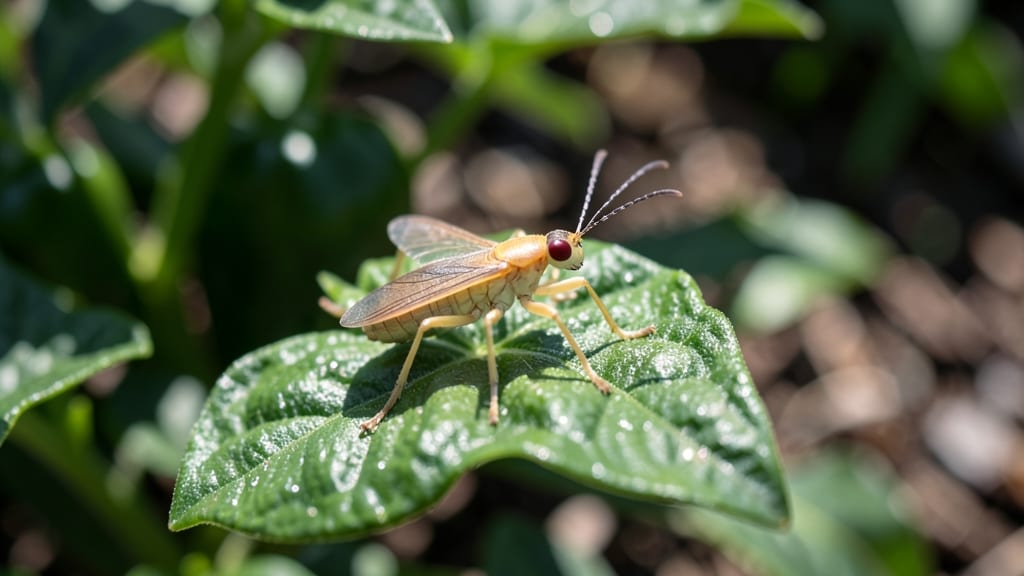
Learn how to keep bugs off pepper plants naturally with this quick, effective spray that works in hours—not days. 🌿 I’ve battled aphids, hornworms, and spider mites for years, and this neem oil and garlic barrier is the only thing that stops them without harming my plants or the bees.
The secret? A mix that repels pests while feeding the soil.
Most store-bought sprays contain harsh chemicals that disrupt your garden’s balance. This solution uses ingredients you likely already have: neem oil, garlic, cayenne pepper, and dish soap—all blended into a potent, eco-friendly spray.
It’s not just about killing bugs; it’s about creating a natural shield that keeps them away before they even land.
Within 24 hours of spraying, you’ll see fewer pests crawling on leaves, and your peppers will start looking healthier. The plants develop a mild resistance over time, and the soil stays rich with organic nutrients. No more wilted leaves or stunted growth—just strong, thriving peppers that produce all season.
Works for all pepper varieties, from bell peppers to jalapeños, and pairs perfectly with companion plants like basil or marigolds. The best part? You can make a fresh batch in 10 minutes whenever pests return. Let’s get your garden back to its pest-free glory.
Root Causes of Pepper Plant Pests
Pepper plants are a magnet for bugs—not because they’re weak, but because they’re packed with nutrients, moisture, and tender growth that pests love. Understanding the why behind these infestations helps you tackle them smarter, not harder.
Below, we break down the science and environmental triggers that turn your pepper patch into an all-you-can-eat buffet for insects.
---
Pepper plants produce sugars and oils in their fruit that act like a neon sign for hungry pests.
When fruit ripens or gets bruised (from hail, birds, or even overwatering), it releases volatile organic compounds (VOCs) that attract: - Aphids (they love sweet sap) - Fruit flies (drawn to fermenting sugars) - Stink bugs (targeting soft, damaged tissue)
Actionable insight: Harvest peppers promptly and remove fallen or rotting fruit to cut off the scent trail.
---
Pepper plants thrive in warmth but hate stagnant air. Crowded plants or dense foliage create: - High humidity (ideal for fungal gnats and spider mites) - Shaded, damp leaves (perfect breeding grounds for whiteflies and thrips) - Reduced airflow (traps moisture, slowing pest predators like ladybugs)
Scientific note: Stagnant air increases relative humidity above 70%, which softens plant tissues—making them easier for pests to pierce and feed on.
--- Pepper plants with too much nitrogen grow lush, soft leaves—delicious to chewing insects like: - Cabbage loopers (caterpillars that skeletonize foliage) - Cutworms (they munch on stems at night) - Japanese beetles (they devour entire leaves)
Contrast: Phosphorus-rich soil (from compost or bone meal) boosts root health, making plants less appealing to pests.
--- While companion plants like basil, marigolds, or nasturtiums repel pests, missing them leaves peppers vulnerable. Common mistakes: - No marigolds → Aphids and beetles thrive unchecked. - No basil → Whiteflies and spider mites multiply faster. - No garlic/chives → Fungal gnats and root maggots go uninhibited.
Pro tip: Interplanting every 18–24 inches disrupts pest pathways and confuses their navigation systems.
--- Pests don’t attack randomly—they follow weather patterns: | Pest | Trigger | Why It Works | |-------------------|--------------------------------------|--------------------------------------------------| | Aphids | Warm, dry springs | Rapid reproduction (100+ offspring per female) | | Spider Mites | Drought + high temps (90°F+) | Dry air dehydrates plants, weakening defenses | | Fungal Gnats | Overwatered, cool soil (60–70°F) | Moisture-rich soil = larval paradise | | Corn Earworms | Humid nights + pepper blooms | Moths are drawn to floral scents |
Key takeaway: Monitor weather forecasts—pests peak during heatwaves or after sudden rain.
--- Plants under stress (from drought, transplant shock, or poor soil) release stress hormones that attract pests as a secondary food source.
For example: - Drought-stressed peppers emit ethylene gas, luring thrips. - Transplant shock (wilting, yellowing) signals aphids to colonize weak spots. - Compacted soil (from foot traffic) traps pests like root-knot nematodes.
Fix it: Mulch heavily (2–3 inches) to retain moisture and block egg-laying pests.
--- Pepper plants rely on natural enemies to keep pests in check.
When these are absent (due to pesticides, habitat loss, or monoculture gardening), bugs take over: - Ladybugs eat aphids (but die in dry conditions). - Ground beetles hunt cutworms (but need mulch cover). - Parasitic wasps control whiteflies (but avoid broad-spectrum sprays).
Solution: Plant dill, fennel, or yarrow nearby to attract these allies.
--- Final Thought: Most pest problems stem from one (or more) of these gaps: nutrition, airflow, stress, or missing predators. Address the root cause, and your peppers will bounce back—naturally. 🌱✨
Natural Fixes for Pepper Plant Pests
---
Keep those peppers thriving—here’s how to tackle common bugs with simple, nature-backed solutions. Below, we match each pest to its best defense, including quick fixes and long-term prevention. No harsh chemicals required!
---
Fix: These sap-suckers cluster on leaves and stems, causing curled foliage and sticky residue (aka honeydew). Combat them with:
- 💦 Spray-on Soap Solution Mix 1 tbsp mild liquid castile soap or neem oil with 1 quart of water. Spray directly on aphids (early morning or evening to avoid burning leaves).
Repeat every 3–4 days until gone. Pro tip: 🌿 Add a few drops of garlic oil for extra pest-repelling power.
- 🐝 Introduce Beneficial Insects Ladybugs and lacewings devour aphids like all-you-can-eat buffets. Buy them online or attract them with dill, fennel, or marigolds nearby.
Prevent: - 🌱 Plant basil or chives around peppers—their strong scents deter aphids. - 💧 Water at the base (not leaves) to reduce humidity, which aphids love.
---
Fix: Yellowing leaves and fine webbing? Spider mites thrive in dry heat. Fight back with:
- 🌿 Neem Oil Mist Combine 1 tbsp neem oil, 1 tsp honey (as a sticker), and 1 quart of water. Spray undersides of leaves (mites hide there!). Reapply weekly until webs disappear. Pro tip: 🌡️ Increase humidity with a shallow tray of water near plants—mites hate moisture.
- 🚿 Blast Them Off Use a strong spray of water (from a hose nozzle) to knock mites off leaves. Do this 2–3 times a week during outbreaks.
Prevent: - 💧 Mulch heavily to retain soil moisture and deter mites. - 🌼 Interplant with nasturtiums—they’re a spider mite trap crop!
---
Fix: These green striped caterpillars can devour a pepper plant overnight. Act fast:
- 👨🍳 Handpick & Drown Check leaves daily (especially at dawn). Drop hornworms into soapy water—they’re easy to spot! Pro tip: ✨ Use a flashlight at night—hornworms are nocturnal and easier to spot in the dark.
- 🐛 Encourage Parasitic Wasps Tiny braconid wasps lay eggs in hornworms, killing them naturally. Plant dill or parsley to attract them.
Prevent: - 🌱 Rotate crops yearly to disrupt their life cycle. - 🌙 Cover young plants with lightweight row fabric until they’re established.
---
Fix: These black specks chew tiny holes in leaves, leaving a salt-and-pepper effect. Stop them with:
- 🥬 Row Cover Barrier Use fine mesh fabric (like Agribon) over seedlings until plants are 4–6 inches tall. Secure edges tightly.
- 🌶️ Diatomaceous Earth Dust Sprinkle food-grade DE around the base of plants (avoid direct leaf contact). It’s a natural abrasive that kills beetles on contact. Pro tip: 💡 Reapply after rain—DE loses effectiveness when wet.
Prevent: - 🌱 Plant radishes or nasturtiums as sacrificial traps. - 🌞 Water deeply in the morning to help plants recover faster from damage.
---
Fix: While not bugs, fungal spores (spread by pests like aphids) can ruin peppers. Treat with:
- 🍋 Baking Soda Spray Mix 1 tsp baking soda, 1 tbsp vegetable oil, and 1 quart of water. Spray on both sides of leaves weekly. Pro tip: 🌡️ Improve airflow with pruning to prevent future outbreaks.
- 🌿 Copper Fungicide (Optional) For severe cases, use organic copper spray (follow label instructions).
Prevent: - 🌱 Space plants 18–24 inches apart for better airflow. - 🍃 Avoid overhead watering—water at the base instead.
---
- 🌿 Companion Planting: Surround peppers with basil, marigolds, or onions to repel pests naturally. - 🌱 Healthy Soil = Strong Plants: Amend soil with compost to boost plant resilience. - 🕵️ Early Detection: Inspect plants 2–3 times a week—catch pests before they spread! - 🌞 Rotate Plant Locations: Move peppers to a new spot each year to prevent pest buildup.
---
With these easy, chemical-free fixes, your pepper plants will stay pest-free and productive. 🌶️💪 Remember: consistency is key—treat early, and your peppers will thank you with a bountiful harvest!
Frequently asked questions
Can I use this spray on pepper plants at any growth stage?
Yes, but with a few precautions. You can safely apply the spray to seedlings, mature plants, and even flowering peppers. However, avoid spraying directly on blooms during peak pollination hours (10 AM–4 PM) to protect beneficial insects like bees. For young seedlings, dilute the mixture by half to prevent leaf burn.
How often should I reapply the natural spray?
Reapply every 5–7 days or immediately after rain, as water washes away the protective oils. For severe infestations (like hornworms or spider mites), spray twice weekly until pests disappear. The garlic and neem oil ingredients break down over time, so consistency is key for long-term protection.
Will this spray harm beneficial insects like ladybugs or bees?
When used correctly, this spray is bee-safe and won’t harm ladybugs or other predator insects. The key is timing: apply sprays in the early morning or late evening when bees are less active, and avoid spraying blooming peppers. For extra safety, skip the spray during peak bloom periods if you rely on pollinators.
What if my pepper plants already have holes from pests?
Don’t worry—this spray still helps! While it won’t repair existing damage, it stops further feeding and promotes healing. Prune severely damaged leaves and focus on applying the spray to new growth. For extra support, add a compost tea to the soil to boost plant recovery and resilience.
Can I mix this spray with other natural pest controls?
Yes, but with caution. You can combine it with companion planting (like basil or marigolds) or diatomaceous earth for added protection. However, avoid mixing with other oils (like essential oils) or strong soaps, as this can create harmful chemical reactions. Always test a small area first!