
Planting
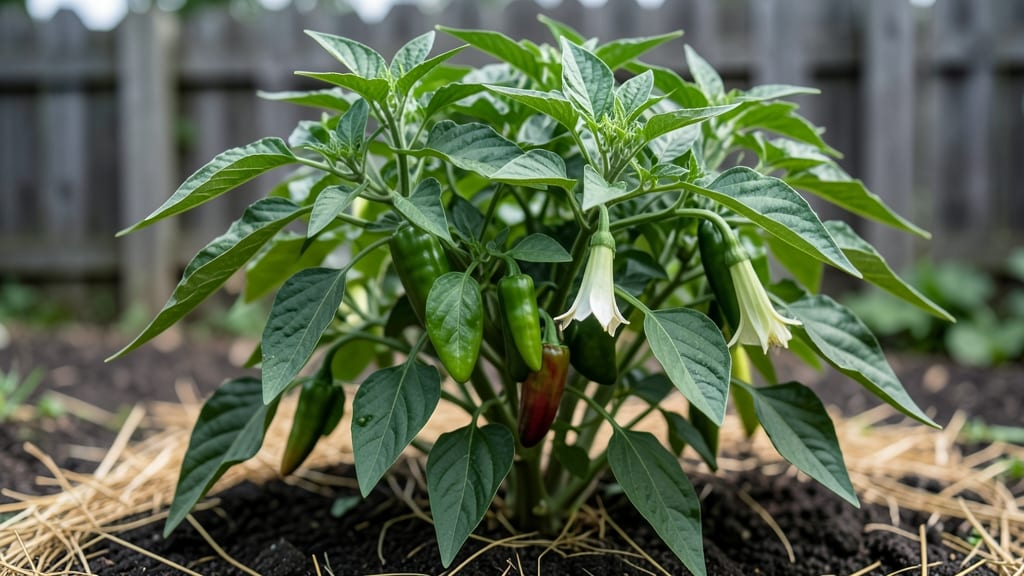
Jalapeño pepper plant stages reveal the dramatic transformation from tiny seed to fiery harvest in just 55 days. 🌱 I’ve watched my first batch go from a speck of soil to a plant loaded with peppers—each stage has its own quirks, and knowing them means fewer surprises and more spice.
The journey starts with germination, where warmth and patience turn seeds into seedlings in 7-14 days. Then comes the vegetative stage, where leaves explode and roots dive deep—this is where proper light and soil make or break your plant. Mistakes here (like overwatering) can stall growth for weeks.
By stage 3, you’ll spot those first white flowers, signaling the fruiting phase. Pruning now encourages bushier plants, while hand-pollination ensures every blossom turns into a pepper. The real magic happens in stage 4, when peppers go from green to red—taste tests begin here, and the heat builds.
Master these stages, and you’ll go from seed to spice with bold, consistent harvests. Even my first attempt (which I nearly drowned) taught me the rhythm of this plant’s life cycle—now it’s your turn.
📚 In This Guide
- What you need
- Instructions
- Tips and common mistakes
- Wrapping up and next steps
What you need
- ● Jalapeño seeds: 5–10 seeds (choose heirloom or hybrid varieties like Early Jalapeño or Jalapeño M for reliability).
- ● Seed-starting mix: 2–3 cups of sterile, well-draining potting soil (avoid garden soil—it’s too dense!).
- ● Containers: 2–3 small pots (3–4 inches deep) or a seed tray with cells for each seedling.
- ● Grow lights or sunny windowsill: A full-spectrum LED grow light (12–16 hours/day) or a south-facing window with 6+ hours of sunlight.
- ● Watering can or spray bottle: With a fine mist nozzle for gentle hydration.
- ● Plant labels: Small sticks or tags to track varieties and transplant dates.
- ● Trowel or spoon: For transplanting seedlings.
- ● Fertilizer: Balanced 5-5-5 or 10-10-10 liquid fertilizer (diluted to half-strength).
- ○ Heat mat (optional): For indoor starts—keeps soil at 75–85°F to speed up germination.
- ● Plastic wrap or humidity dome: To retain moisture while seeds germinate.
- ● Garden gloves: Protects hands from soil and peppers’ oils (which can irritate skin!).
- ● Warmth: Jalapeños thrive in 70–85°F soil temps. Wait until after the last frost (or use a greenhouse).
- ● Sunlight: 6–8 hours of direct sun daily (or grow lights for indoor setups).
- ● Patience: Germination takes 7–14 days—stay consistent with moisture!
How to track jalapeño pepper growth through Key development stages
Watch your plants transform from tiny seeds to fiery harvests in just 55 days.
🌱 Step 1: Germination (Days 1-7)
Plant seeds ½ inch deep in warm, moist soil at 75-85°F. A seedling heat mat speeds things up dramatically—without it, germination can take 10-14 days instead of 5-7. Keep soil consistently damp by misting lightly daily, never letting it dry out completely.
You'll know germination worked when tiny green sprouts push through the soil. Here's the thing—don't be tempted to water from above once they emerge. Instead, use a watering can with a gentle spray nozzle to avoid disturbing delicate seedlings. Real talk: Overwatering now causes damping-off, where stems rot at the base overnight.
🌿 Step 2: Seedling Development (Days 7-21)
Once the first true leaves appear (not the initial seed leaves), your seedlings are ready for their first light check. Move them under 14-16 hours of bright light daily—a south-facing window or grow light within 4 inches works best. You'll see leggy growth if they stretch toward light, which means they need more intensity.
When seedlings reach 2-3 inches tall, it's time to fertilize lightly with a balanced 10-10-10 solution at half-strength. This jumpstarts root development without burning tender foliage. Watch the soil surface—it should stay slightly damp but never soggy. If you see yellowing leaves, you're overwatering.
☀️ Step 3: Vegetative Growth (Days 21-35)
By day 21, your plants should have 4-6 true leaves and be ready for transplanting. Harden them off by placing outside for 1-2 hours daily over 7-10 days, gradually increasing exposure. You'll notice stronger stems and deeper green leaves as they adjust to outdoor conditions.
After transplanting, focus on watering at the base rather than overhead. Wet foliage invites fungal diseases, and jalapeños hate soggy roots. Mulch with 1-2 inches of organic matter to retain moisture and regulate soil temperature. This is the moment that matters: proper watering now prevents blossom-end rot later.
🌶️ Step 4: Flowering and Fruit Set (Days 35-50)
When plants develop white or pale yellow flowers, they're ready for pollination. Gently shake stems daily to encourage natural pollination, or use a small paintbrush to transfer pollen between flowers. You'll see tiny green peppers form within 10-14 days—this is your cue to reduce watering slightly to improve flavor.
Here's where it gets fun—watch for the first peppers to turn from green to red or purple. Harvest when they reach 3-4 inches long for classic jalapeño heat. If you wait too long, they'll turn fully red and become much hotter. I know it seems weird, but harvesting early keeps the plant producing new peppers for weeks.
⏰ Step 5: Maturity and Harvest (Days 50-55)
The final stage is all about timing. Peppers mature fastest in 80-90°F temperatures with 6+ hours of direct sun daily. You'll know they're ready when skin thickens and color deepens—green jalapeños should be firm with a slight give when squeezed gently.
Harvest by cutting stems with clean scissors to avoid damaging the plant. Store in the fridge for 1-2 weeks or dry them for long-term use. Don't skip this: Regular harvesting encourages more flowers and fruit, extending your harvest window by 2-3 weeks in ideal conditions.
Tips & tricks for growing jalapeño peppers from seed
Common pitfalls—and how to sidestep every one—when growing your own fiery harvest.
Heat Matters: That 75-85°F soil temperature in Step 1 isn't just a suggestion—it's the difference between 5-7 days and 10-14 days of waiting. I learned this the hard way after ruining three batches with inconsistent heat. Use a seedling heat mat if your home stays cooler than 70°F, especially at night. Pro tip: Place the thermometer in the soil, not the air—surface temps can be misleading.
Light Intensity is Key: Those 14-16 hours of bright light in Step 2 aren't just about duration—they're about intensity. If your seedlings start stretching toward the light (what we call "legginess"), they need stronger illumination. Move them within 4 inches of a grow light or supplement with a south-facing window. I use a simple LED grow bulb on a timer, and it makes all the difference for compact, sturdy plants.
Watering Wisdom: The biggest mistake I see in Step 3 is overhead watering after transplanting. Wet foliage creates the perfect conditions for fungal diseases that can wipe out your plants. Always water at the base, and consider using a drip irrigation system or soaker hose once your plants are established. That 1-2 inches of mulch isn't just for looks—it helps regulate soil moisture and temperature, preventing the dreaded blossom-end rot that can ruin your harvest.
Harvest Timing: Those 3-4 inches in Step 5 are your sweet spot for classic jalapeño heat. Here's what nobody tells you—harvesting at this size keeps the plant producing new peppers for weeks. If you wait until they turn fully red, you'll get hotter peppers but sacrifice quantity. I harvest every 2-3 days during peak production, and my plants keep going until frost. Just remember: Regular harvesting is the secret to a longer, more productive growing season.
Pro Tips for Jalapeno Pepper Plant Stages
- Common pitfalls—and how to sidestep every one—when growing your own fiery harvest.
- Heat Matters: That 75-85°F soil temperature in Step 1 isn't just a suggestion—it's the difference between 5-7 days and 10-14 days of waiting.
- Light Intensity is Key: Those 14-16 hours of bright light in Step 2 aren't just about duration—they're about intensity.
Frequently asked questions
Got questions about growing jalapeño peppers? You’re not alone! Here are some of the most common concerns—and straightforward answers—to help you navigate each stage of your spicy adventure.
How long does it take for jalapeño plants to produce peppers?
With the right conditions, jalapeño plants typically start producing peppers 60–75 days after transplanting (though some varieties may take up to 90 days). Early blooms (white flowers) signal readiness, but patience is key—peppers need time to mature on the plant. Pro tip: Prune leggy stems to redirect energy toward fruit production!
Can I grow jalapeños indoors, or do they need full sun?
Jalapeños thrive in full sun (6–8+ hours daily), but you can grow them indoors near a south-facing window or under grow lights (12–16 hours/day). A sunny balcony or greenhouse works too! Just ensure temperatures stay above 70°F (21°C) for optimal growth. Watch out: Leggy plants mean more light is needed!
Why aren’t my jalapeño plants flowering or fruiting?
Lack of flowers or peppers often stems from insufficient light, temperature swings, or over-fertilizing with nitrogen. Jalapeños need warmth (70–85°F) and consistent sunlight to bloom. Try:
- Moving plants to a sunnier spot
- Using a balanced fertilizer (10-10-10) when buds form
- Ensuring 12+ hours of daylight (supplement with grow lights if needed)
How do I know when jalapeños are ripe for picking?
Jalapeños are ready when they’re firm, glossy, and 2–3 inches long, turning from green to red, yellow, or purple (depending on the variety). For milder heat, pick them green; for sweeter, hotter peppers, wait for color. Twist gently to harvest—never cut to avoid disease. Fun fact: Ripe peppers keep ripening off the vine!
What can I do if my jalapeño plants get pests or diseases?
Common issues include aphids, spider mites, or fungal diseases (like powdery mildew). Act fast with:
- Neem oil spray for pests
- Pruning affected leaves and improving airflow
- Copper fungicide for mildew (prevent with spacing and shade cloth)
Prevention tip: Rotate crops yearly and avoid overhead watering to keep plants healthy!
Wrapping up and next steps
Growing jalapeño peppers from seed to harvest is a rewarding journey—packed with science, patience, and a little spicy magic! 🌱 By understanding each stage, from germination to fruiting, you’ll unlock the secrets to a thriving plant and a bountiful crop in just 55 days.
Whether you’re a first-time gardener or a seasoned green thumb, every harvest is a celebration of your hard work.
Ready to take the next step? Start with a few seeds or seedlings and let your garden become a flavorful adventure. Share your progress, experiment with varieties, or even gift your harvest—because great food (and fun!) starts with a single seed. 🌶️✨