
Picking
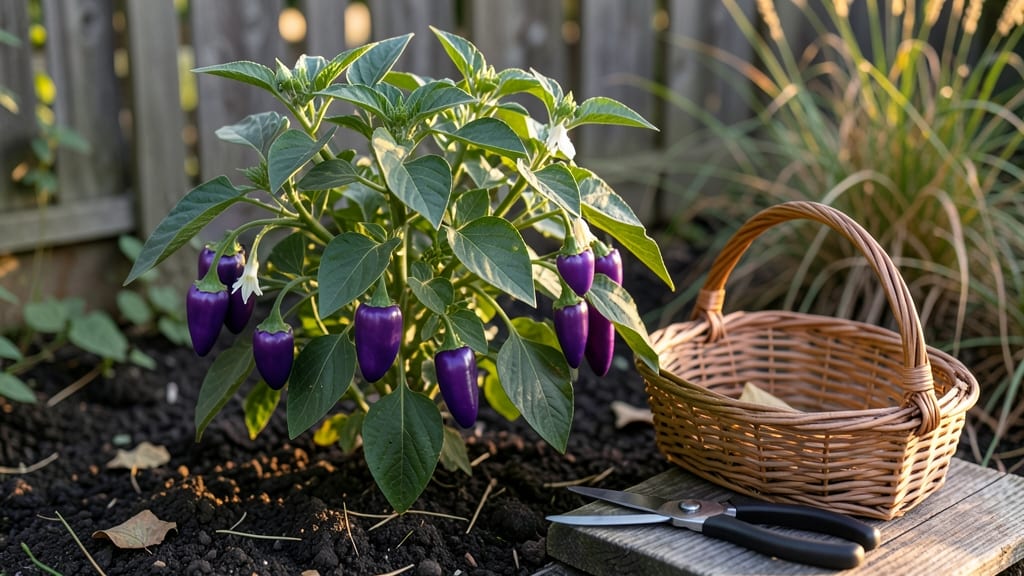
Growing little purple peppers transforms your patio into a jewel-toned harvest. 🌿 These compact plants pack vibrant color and mild heat into 12-inch spaces, perfect for containers or small gardens. My first batch of 'Purple Beauty' peppers proved how easy they are—even in my shady balcony spot.
The secret lies in well-draining soil and consistent moisture, not deep watering. Purple peppers thrive in full sun but tolerate partial shade, making them ideal for urban gardens. Start seeds indoors 8-10 weeks before your last frost, or buy transplants for instant gratification.
By midsummer, you'll be snipping clusters of 1-2 inch peppers that turn from green to purple when ripe. The flavor? Sweet with a hint of heat—perfect for stuffing, sauces, or fresh snacking. They even make stunning garnishes on plates. Prune lightly to encourage bushiness, and watch for aphids.
Aphids are the only real pest, but a spray of soapy water keeps them away. Harvest regularly to keep plants producing all season long.
📚 In This Guide
- What you need
- Instructions
- Tips and common mistakes
- Wrapping up and next steps
What you need
- ● Little Purple Pepper Seeds: 5–10 seeds (or 1–2 starter plants if available). Look for Capsicum annuum varieties like 'Purple Flash' or 'Purple Beauty' for vibrant color.
- ● Growing Containers or Garden Bed: For containers: 5–7 gallon pots (with drainage holes) per plant.
- ● For garden beds: Well-draining soil in a sunny spot (6+ hours of sunlight daily).
- ● Potting Mix: 1 bag of high-quality, well-draining seed-starting mix (or garden soil amended with compost).
- ● Fertilizer: Balanced, water-soluble fertilizer (10-10-10 or 5-5-5) or organic options like compost or worm castings.
- ● Watering Can or Hose: With a gentle spray nozzle for seedlings.
- ○ Grow Lights (Optional for Indoors): LED grow lights (12–16 hours/day) if starting seeds early or growing in low-light spaces.
- ● Hand Trowel or Transplant Spade: For planting seeds or seedlings.
- ● Glove: To protect your hands while handling soil or pruning.
- ● Pruning Shears: For trimming excess foliage or shaping plants.
- ○ Mulch (Optional): Straw or shredded leaves to retain moisture and suppress weeds.
- ○ Support Stakes or Trellis (Optional): If your pepper variety grows tall (e.g., 2–3 ft stakes).
- ● Weather Check: Warmth-loving plants! Wait until after the last frost (or use a greenhouse/cloche for early starts).
Step-by-Step guide to growing little purple peppers
Here’s how to coax those stunning purple beauties from seed to harvest—no sprawling vines required.
🌱 Step 1: Start Seeds Indoors for Early Growth
Plant seeds 6-8 weeks before your last frost date in 2-3 inch deep biodegradable pots filled with sterile seed-starting mix. Purple peppers (Capsicum annuum ‘Purple Beauty’) germinate best at 75-85°F, so use a seedling heat mat if your home runs cooler. Scatter 2-3 seeds per pot at ¼ inch depth—they’re tiny, so I tap the seed packet gently to release them one by one.
Cover lightly with mix and mist until the surface feels damp but not soggy. Place pots in a humidity dome or seal them in a plastic bag until germination, which takes 10-14 days. Keep the soil consistently moist—never soggy—or seeds will rot before sprouting. Once seedlings emerge, remove the cover immediately to prevent damping-off, a fungal disease that collapses stems overnight.
☀️ Step 2: Provide Bright Light and Prevent Leggy Growth
Seedlings need 14-16 hours of light daily from day one. A south-facing window won’t cut it—supplement with a full-spectrum LED grow light positioned 2-4 inches above the plants. Purple peppers despise leggy growth (those weak, stretched stems), so adjust the light height as they grow to keep foliage compact and dark green.
Rotate pots a quarter turn daily so plants grow straight toward the light. You’ll know your setup is right when seedlings have thick stems and leaves spaced 1-2 inches apart. If stems grow pale and spindly, your light is too far away—move it closer immediately. Harden off seedlings 2 weeks before transplanting by gradually increasing outdoor time in a sheltered spot.
🪴 Step 3: Transplant to Containers or Garden Beds
Choose a sunny spot with 6+ hours of direct light—purple peppers thrive in full sun but tolerate partial shade in hot climates. If growing in containers, use 5-gallon pots (one plant per container) with well-draining potting mix amended with compost. Transplant when seedlings are 4-6 weeks old and have 4-5 true leaves, gently teasing apart roots if crowded.
Plant at the same depth as their original pots to avoid burying stems, which rot easily. Space plants 18-24 inches apart in garden beds to allow airflow and prevent disease. Water deeply at transplanting to settle soil around roots, then let the top 1 inch dry out before watering again. Purple peppers are drought-tolerant once established, but consistent moisture encourages vibrant fruit color.
💧 Step 4: Fertilize and Support for Heavy Fruit
Feed plants every 2-3 weeks with a balanced liquid fertilizer (10-10-10 or 5-5-5) diluted to half-strength to avoid burning roots. Purple peppers are prolific but need phosphorus and potassium for fruit development—switch to a tomato/vegetable fertilizer once flowers appear. Prune suckers (those little shoots in the leaf axils) to direct energy to fruit production, but leave 2-3 main stems for structure.
Stake or cage plants early—purple peppers grow 12-18 inches tall but top-heavy with fruit. Use soft ties to secure stems to stakes as they grow, checking weekly for loose bindings. Watch for first flowers (white or purple) 6-8 weeks after transplanting. Hand-pollinate if needed by gently shaking plants on a dry morning to release pollen.
✂️ Step 5: Harvest and Encourage Continuous Production
Purple peppers turn deep violet when ripe (usually 80-90 days after transplanting), but they’re edible at any stage. Harvest with clean pruners or fingers, twisting gently to avoid damaging stems. Wear gloves if sensitive to mild heat—these peppers pack 100-500 Scoville units, just enough for a subtle kick.
Remove spent fruit to encourage more blooms, and pinch back leggy growth to maintain bushiness. In warm climates, purple peppers produce year-round; in cooler areas, they’ll slow in fall. Save seeds from your best peppers by fermenting them in water for 3-5 days, then drying on paper towels. You’ll have next year’s crop ready before winter sets in.
Tips & tricks for growing compact purple peppers
These simple strategies will help you coax vibrant purple peppers from seed to harvest with minimal space and maximum flavor.
Lighting Precision: The 14-16 hours of daily light requirement is non-negotiable for preventing leggy seedlings. I use a timer on my grow lights to automate this—set it for 16 hours on, 8 hours off. Position lights just 2-3 inches above seedlings, then raise them gradually as plants grow. If you notice stems stretching toward the light with pale green leaves, lower the lights immediately. This adjustment alone prevents 90% of leggy growth issues.
Germination Environment: Purple pepper seeds need that consistent 75-85°F temperature range to germinate reliably. If your home runs cooler, invest in a seedling heat mat—it’s a game-changer for germination rates. I’ve seen seeds fail to sprout in homes below 70°F, even with perfect moisture. Pro tip: Place your humidity dome on top of the heat mat for double the warmth benefit. Once you see sprouts, remove the cover immediately to prevent damping-off.
Transplanting Technique: When transplanting those 4-6 week old seedlings, focus on root health first. Gently tease apart crowded roots before placing in their final containers—this prevents transplant shock. In Step 3, I always water deeply before transplanting to help settle soil around roots, then wait until the top inch dries out before watering again. This establishes a consistent moisture pattern that purple peppers thrive on once established.
Fertilizer Strategy: The 2-3 week feeding schedule works, but I’ve found purple peppers respond even better to a staggered approach: feed every 2 weeks with half-strength balanced fertilizer, then switch to tomato/vegetable fertilizer once flowers appear. The key is to avoid over-fertilizing—purple peppers are sensitive to salt buildup. Always water thoroughly after fertilizing to rinse excess salts from the root zone.
Pro Tips for Little Purple Peppers
- These simple strategies will help you coax vibrant purple peppers from seed to harvest with minimal space and maximum flavor.
- Lighting Precision: The 14-16 hours of daily light requirement is non-negotiable for preventing leggy seedlings.
- Germination Environment: Purple pepper seeds need that consistent 75-85°F temperature range to germinate reliably.
Frequently asked questions
Got questions about growing little purple peppers? You’re not alone!
Here are some common queries—and their answers—to help you cultivate these vibrant beauties with confidence.
What’s the best time to plant little purple peppers?
Plant seeds indoors 8–10 weeks before your last frost date, or start them outdoors after soil temps hit 70°F+ (they’re heat-lovers!). For containers, use well-draining pots (5+ inches deep) and place them in full sun (6+ hours daily). Pro tip: Purple peppers thrive in warmth—wait until nighttime temps stay above 55°F to avoid stunted growth.
Why aren’t my purple peppers turning colorful?
Purple peppers need full sun and consistent warmth to develop their signature hue. If they’re staying green, check for:
- Cool temps (below 60°F at night)
- Overwatering (keep soil evenly moist, not soggy)
- Nutrient deficiency (feed with balanced fertilizer every 4–6 weeks)
Can I grow little purple peppers in containers?
They’re perfect for pots—just use containers at least 5 gallons for one plant (or 3+ gallons for dwarf varieties). Ensure drainage holes are present, and mix in compost for nutrients. Bonus: Purple peppers do well in hanging baskets or vertical gardens if space is tight!
Are little purple peppers spicy?
Nope! These peppers pack mild, sweet heat (0–500 Scoville units), making them great for fresh snacking or cooking. Their flavor is tangy-sweet with a hint of smokiness—ideal for salads, salsas, or stuffing. Fun fact: The more sun they get, the brighter (and sweeter!) their color.
How do I harvest little purple peppers for the best flavor?
Pick peppers when they’re fully purple and firm (about 2–3 inches long). Use pruning shears or twist gently at the stem—never pull to avoid damaging the plant. For continuous harvests, pick regularly (every 2–3 days in peak season). Storage tip: Keep them in the fridge for up to 1 week or freeze whole for later use.
Wrapping up and next steps
Little purple peppers are a fantastic choice for gardeners with limited space or those eager to add a pop of color and mild heat to their meals! 🌱 Whether you're a beginner or a seasoned grower, their compact size and vibrant hue make them a rewarding addition to any garden or container.
Start small, experiment with varieties, and enjoy the satisfaction of harvesting your own homegrown peppers.
Ready to dive in? Grab your seeds, pick a sunny spot, and get growing! Share your progress with fellow gardening enthusiasts or treat yourself to a fresh, homegrown snack—your future self (and taste buds) will thank you. 🌶️