
Companion Plants
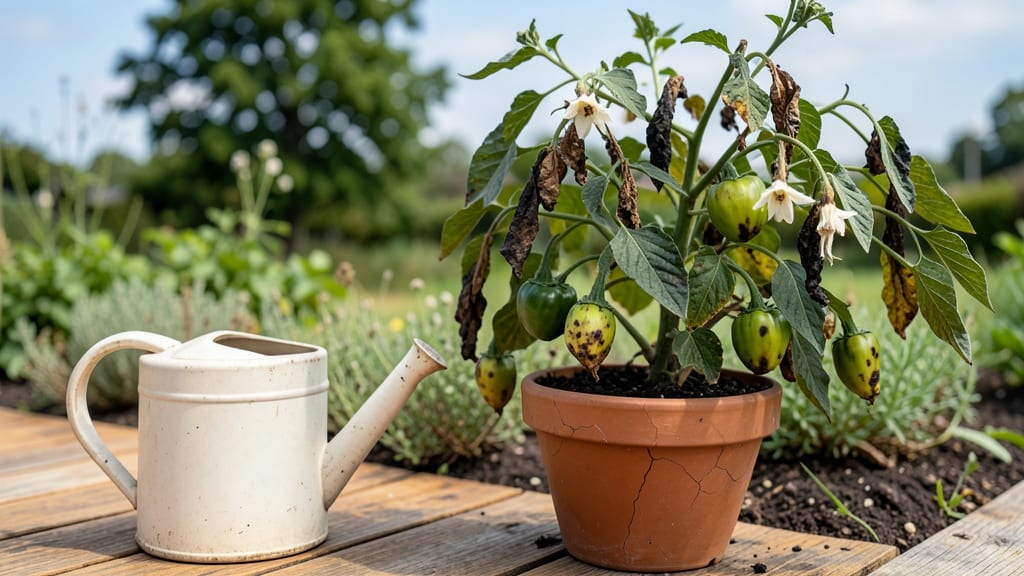
Your pepper plants turning black isn’t a death sentence—it’s a fungal blight wake-up call. 🌱 I’ve seen this happen after a single heavy rain when plants sit too wet too long, and the good news is we can turn this around fast.
The key is acting before the disease spreads to stems or fruit, which is where most gardeners lose their plants for good.
Black spots on leaves usually mean one of three things: fungal blight (like Alternaria or Phytophthora), bacterial leaf spot, or good old-fashioned overwatering stress.
The difference between saving your plants and losing them comes down to proper airflow, the right fungicide spray, and adjusting your watering habits—none of which require fancy equipment. Start by removing affected leaves immediately and spacing plants wider apart.
Within a week of proper care, you’ll see new growth pushing through, and those black spots will stop spreading. The plants will rebound stronger than before, producing even more peppers if you catch it early.
The secret is consistent monitoring—check the undersides of leaves daily after rain—and you’ll avoid this nightmare next season.
This works for backyard gardens, raised beds, or container setups. Even if you’ve lost plants before, we’ve got you covered with organic and chemical options that actually work. Let’s get those peppers back on track!
Root Causes Behind Blackened Leaves
When your pepper plant’s leaves start turning black, it’s often a cry for help from the roots—or a silent signal from unseen invaders. Understanding the why behind the discoloration is the first step to saving your harvest.
Below, we break down the most common culprits with clear, science-backed explanations so you can diagnose—and fix—the problem fast.
Pepper plants thrive in well-draining soil, but too much water—especially when drainage is lacking—can drown their roots. Here’s how it happens:
- Root Suffocation: Excess moisture cuts off oxygen, forcing roots to ferment (a process that produces toxic byproducts like ethanol and acetic acid). This triggers cellular damage, causing leaves to blacken from the edges inward.
- Fungal Feast: Stagnant water creates the perfect breeding ground for Phytophthora and Pythium, water-mold fungi that clog root pores and block nutrient uptake. The plant’s stress response? Black, mushy leaves.
- Nutrient Lockout: Waterlogged soil binds essential minerals (like nitrogen and potassium), starving the plant. Without these, chlorophyll production stalls, leading to necrotic (dead) tissue.
💡 Pro Tip: Stick your finger 2 inches into the soil—if it’s damp, wait to water. Use a moisture meter for precision, and amend heavy clay soil with perlite or vermiculite to improve aeration.
Fungi like Alternaria, Colletotrichum (anthracnose), and Botrytis (gray mold) don’t just appear—they invade. Here’s their modus operandi:
- Spore Spread: Fungal spores lurk in soil, water, or even old plant debris. They germinate when conditions are ideal: warmth (75–85°F), high humidity (>70%), and wet foliage. Once spores land on leaves, they penetrate through natural openings (like stomata) or wounds.
- Toxin Production: Fungi release cellulolytic enzymes that break down leaf cell walls, causing dark, sunken lesions. Anthracnose, for example, starts as yellow spots that turn black and oily within days.
- Systemic Damage: Some fungi (like Phytophthora) move into the plant’s vascular system, blocking water and nutrient flow. The result? Wilting, blackened veins, and eventual collapse.
🔍 Watch For:
- Black spots with halos (Alternaria)
- Velvety gray mold on stems/leaves (Botrytis)
- Sunken, tarry lesions (Anthracnose)
💡 Pro Tip: Remove infected leaves immediately and disinfect pruners with 70% isopropyl alcohol. Space plants for airflow and avoid overhead watering—fungi hate dry conditions.
Bacteria like Xanthomonas and Pseudomonas are the speed demons of plant disease. They multiply rapidly, releasing enzymes that dissolve plant tissue:
- Watery Lesions: Bacterial spots start as water-soaked areas that darken to black or brown within 24–48 hours. Margins may appear yellowish due to bacterial ooze.
- Systemic Clogging: Bacteria can enter through leaf wounds or natural openings, then hitch rides via the plant’s xylem (water transport system). This leads to wilting, blackened veins, and stunted growth.
- Spread by Splashes: Unlike fungi, bacteria thrive in cool, wet conditions (60–75°F). Rain, overhead irrigation, or even contaminated tools can splash them onto healthy leaves.
🔍 Watch For:
- Black spots with watery centers
- Bacterial ooze (yellow/green slime) on leaf surfaces
- Rapid progression (spots spread within days)
💡 Pro Tip: Copper-based bactericides (like Copper Soap) can suppress bacterial growth. For severe cases, remove and burn infected plants to prevent spread—bacteria can survive in soil for years.
Sometimes, blackened leaves aren’t about pathogens—they’re about extreme conditions that shock the plant:
- Cold Damage: Temperatures below 50°F can cause chilling injury, disrupting cell membranes. Leaves turn black as electrolytes leak out, a process called oxidative stress.
- Heat Stress: Prolonged exposure to 90°F+ denatures enzymes, leading to protein coagulation. Leaves scorch, turn crispy, and blacken at the edges.
- Chemical Burn: Over-fertilizing (especially with synthetic nitrogen) or using harsh pesticides can osmotically shock roots. The plant’s response? Blackened, curled leaves as it struggles to absorb water.
💡 Pro Tip: Use mulch to regulate soil temperature and drip irrigation to avoid leaf burn. For chemical exposure, flush soil with water and avoid fertilizing until new growth appears.
🎯 Key Takeaway: Blackened pepper leaves are rarely a single issue—often, it’s a mix of water stress + fungal/bacterial invasion. Start with the most likely culprit (check soil moisture first!), then move to pathogens. Act fast: The earlier you intervene, the higher your chances of saving the plant—and your harvest!
Quick Fixes for Blackened Pepper Leaves
When your pepper plants start showing blackened leaves, acting fast is key to saving your harvest. Below are targeted solutions for the most common causes—each with step-by-step fixes and prevention tips to keep your plants thriving. 🌱✨
If black spots, mold, or mushy stems are the culprit, fungal infections like early blight, late blight, or root rot are likely at play. Here’s how to tackle them:
🔥 Step 1: Remove Infected Plant Parts
- 👨🍳 Snip or prune any blackened leaves, stems, or fruits using sterilized scissors (wipe with rubbing alcohol between cuts).
- 🗑️ Dispose of infected debris in a sealed trash bag—do not compost it, or the fungus will return.
- ⏰ Time it right: Do this in the morning so the plant has time to dry before evening moisture sets in.
🌡️ Step 2: Adjust Watering Habits
Fungi love dampness. Cut back on watering and switch to:
- 💧 Drip irrigation (avoids wetting leaves).
- 🕰️ Water at the base in the early morning (never overhead).
- 🌡️ Space plants 12–18 inches apart for better airflow.
✨ Step 3: Apply Fungicide & Natural Remedies
- 🍅 Copper fungicide spray (follow label instructions) – works on early/late blight.
- 🌿 DIY baking soda spray: Mix 1 tsp baking soda + 1 quart water + a drop of dish soap.
Spray every 7–10 days. - 🌿 Neem oil or hydrogen peroxide spray (3% solution) – prevents spore growth and strengthens leaves.
💡 Prevention Tips for Fungal Issues
- 🌱 Rotate crops – Don’t plant peppers in the same spot yearly.
- 🌡️ Mulch with straw (not wet mulch) to reduce soil splashing onto leaves.
- 🌿 Companion plants: Interplant with basil, marigolds, or garlic to deter fungi naturally.
If leaves turn black and mushy (not just spotted), root rot from overwatering is likely. Here’s how to revive your plant:
🔥 Step 1: Check the Soil Moisture
- 👅 Stick your finger 1–2 inches into the soil – if it’s soggy, stop watering immediately.
- 🌧️ Water only when the top inch is dry (pepper plants hate "wet feet").
🌱 Step 2: Improve Drainage
- 🏗️ Repot in well-draining soil (mix potting soil + perlite or sand in a 2:1 ratio).
- 🪴 Use containers with drainage holes – if growing in pots, ensure excess water escapes.
- 🌿 Raise garden beds slightly to prevent water pooling.
💧 Step 3: Revive the Roots
- 🌱 Trim any black, mushy roots (healthy roots are firm and white).
- 🌿 Transplant carefully if needed, using fresh, sterile soil.
- 🍃 Hold off on fertilizing until the plant recovers (wait 2–3 weeks).
💡 Prevention Tips for Overwatering
- 🌡️ Use a moisture meter to track soil dampness.
- 🌧️ Water deeply but less often – peppers prefer dry spells between waterings.
- 🌿 Avoid planting in low-lying areas where water collects.
If blackened leaves appear crispy or papery (especially on sunny sides), heat stress or sun scorch is the issue. Protect your peppers with these fixes:
🌞 Step 1: Provide Shade Cloth
- 🛡️ Install 30–50% shade cloth during peak afternoon sun (12 PM–4 PM).
- 🌿 Use row covers if growing in hot climates.
💧 Step 2: Boost Hydration
- 💦 Water deeply in the morning to help leaves absorb sunlight safely.
- 🌱 Mulch with straw to retain soil moisture and cool roots.
🌿 Step 3: Adjust Plant Placement
- 🏡 Move potted peppers to a spot with partial shade (morning sun, afternoon shade).
- 🌱 Space plants properly (18–24 inches apart) for better airflow and light distribution.
💡 Prevention Tips for Heat Stress
- 🌡️ Choose heat-tolerant varieties like ‘Jalapeño M’, ‘Cayenne’, or ‘Poblano’.
- 🌿 Avoid transplanting in extreme heat – wait for cooler mornings.
- 🍃 Use reflective mulch (like aluminum foil) to deflect excess heat.
If blackened leaves have holes, chewed edges, or sticky residue, pests like aphids, spider mites, or slugs may be the culprits.
🕷️ Step 1: Inspect for Pests
- 🔍 Check undersides of leaves for tiny bugs, webs, or slimy trails.
- 🌙 Shine a flashlight at night to spot slugs or snails.
🧼 Step 2: Remove Pests Manually
- 👨🍳 Spray pests off with a strong stream of water.
- 🪲 Pick off slugs/snails by hand (drop them in soapy water).
- 🕷️ Use a damp cloth to wipe away spider mite webs.
🌿 Step 3: Apply Natural Repellents
- 🍋 Neem oil spray (mix 1 tbsp neem oil + 1 tsp mild soap + 1 quart water).
- 🌱 Diatomaceous earth (food-grade) – sprinkle around the base (reapply after rain).
- 🍅 Crushed garlic or chili pepper spray (deters chewing pests).
💡 Prevention Tips for Pest Issues
- 🌱 Interplant with pest-repelling herbs like basil, mint, or thyme.
- 🌙 Set up beer traps for slugs (bury a shallow dish filled with beer).
- 🌿 Prune regularly to remove hiding spots for pests.
If blackened leaves appear unevenly burned (like from herbicide drift, salt buildup, or fertilizer burn), act quickly:
💦 Step 1: Rinse the Plant
- 🚰 Gently hose down leaves with clean water to remove residue.
- 🌱 Avoid overhead watering if the issue is salt buildup (use drip irrigation instead).
🌱 Step 2: Adjust Soil & Fertilizer
- 🧼 Flush the soil with lots of water to dilute salts or chemicals.
- 🌿 Switch to organic fertilizer (like compost or fish emulsion) if synthetic burn is suspected.
🛡️ Step 3: Protect Future Plants
- 🏡 Move potted plants away from treated lawns or roadsides.
- 🌱 Test soil pH (ideal for peppers: 6.0–6.8).
- 🌿 Use mulch to prevent salt buildup from irrigation water.
Once you’ve treated the issue, monitor your pepper plants with these steps: ✅ Prune dead leaves regularly to prevent further spread. ✅ Rotate crops next season to avoid repeat problems. ✅ Keep a plant journal to track watering, sunlight, and pest issues. ✅ Har
Frequently asked questions
Why are my pepper plant leaves turning black only at the edges?
This is usually a sign of overwatering or root rot. When pepper plants sit in soggy soil, roots suffocate and can't absorb nutrients, causing the edges to blacken first. Check soil moisture by sticking your finger 1-2 inches deep—if damp, reduce watering immediately and improve drainage with perlite or sand.
Are black spots on pepper leaves contagious to other plants?
Yes, if it's a fungal infection like Alternaria or anthracnose. Fungal spores spread easily through water splashes or wind. Isolate infected plants immediately, remove all blackened leaves, and disinfect tools with rubbing alcohol. For prevention, water at the base (never overhead) and space plants 12-18 inches apart for airflow.
Can I still save my pepper plant if half the leaves are black?
It depends! If only the leaves are affected (not stems or roots), you can often revive the plant by pruning blackened leaves, adjusting watering, and applying fungicide (like copper spray). However, if the stems are black/mushy, root rot has likely set in, and the plant may not recover. Act fast—healthy new growth can replace lost leaves within 2-3 weeks with proper care.
What's the difference between black spots from fungus vs. bacteria?
Fungal spots usually have halos or velvety textures (like gray mold), while bacterial spots appear watery with yellow margins and often ooze. Fungal infections spread slower but persist longer; bacteria multiply rapidly in cool, wet conditions. Test with a copper fungicide first—if it helps, it's likely fungal.
Will blackened pepper leaves affect my harvest?
Severely infected leaves may reduce yield, but the fruit itself rarely gets infected. Focus on saving the plant first—healthy stems and roots will continue producing peppers. If only a few leaves are black, the remaining plant can still thrive. For best results, harvest peppers as they ripen to reduce plant stress.