
Advice
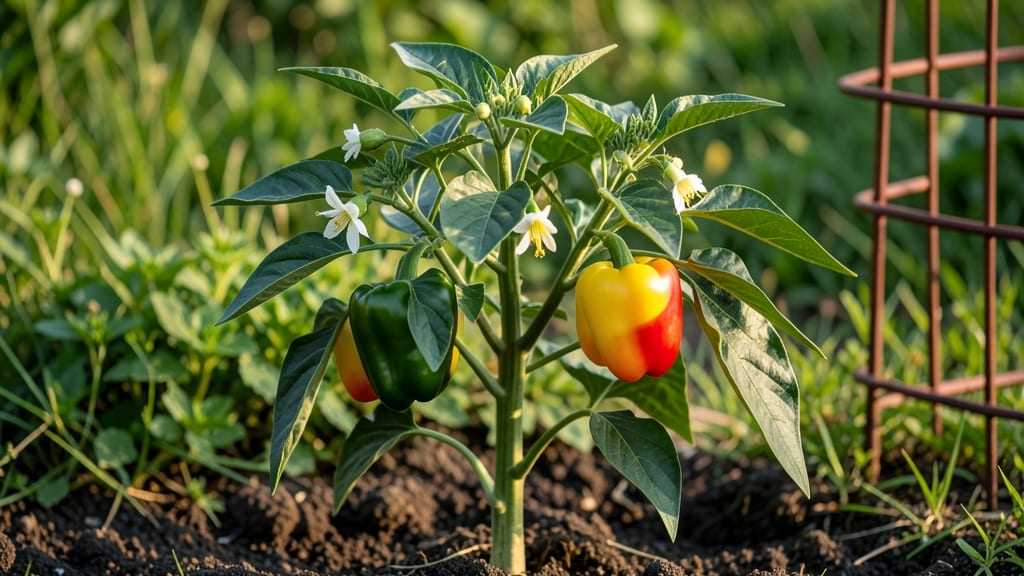
The pepper family brings bold flavors and heat to dishes, with each variety offering something unique. 🌶️ Jalapeños deliver a classic medium kick perfect for grilling or stuffing, while habaneros pack intense heat ideal for sauces and marinades.
Serranos strike a balance between the two, adding brightness to salsas and dressings. Beyond heat, these peppers contribute fruity, citrusy, or even smoky notes that elevate everything from tacos to stir-fries. I always keep a mix on hand for experimenting—whether fresh, dried, or pickled.
What sets the pepper family apart is their adaptability. They thrive in backyard gardens or containers, making them accessible for home cooks. 🌱 Whether you're growing them yourself or buying at the market, handling them carefully (especially the fiery ones!) ensures you get the most flavor without the burn.
Start with milder varieties like jalapeños to build your heat tolerance before tackling habaneros.
💡 In This Article
- Heat Levels and Flavor Profiles in Pepper0 Varieties
- Best Culinary Uses for Pepper0 Family Peppers
Heat levels and flavor profiles in Pepper0 varieties
The heat in pepper0 family members comes from capsaicin, a compound produced in the pepper's placental tissue. The Scoville scale measures this heat in Scoville Heat Units (SHU), where jalapeños register around 2,500-8,000 SHU—just enough to make you sweat but not scream.
Habaneros, on the other hand, blast through the roof with 100,000-350,000 SHU, while serranos sit in the middle at 10,000-23,000 SHU. The key difference isn't just numbers, though—it's how capsaicin binds to your pain receptors, creating that signature burn. 🌶️
Flavor goes beyond heat. Jalapeños offer a grassy, slightly sweet profile with a clean finish, making them perfect for dishes where you want heat without overpowering other ingredients. Habaneros bring tropical fruitiness—think pineapple or citrus notes—that shines in sauces and marinades.
Serranos deliver a bright, almost tangy flavor with a sharper bite, ideal for salsas and dressings. The capsaicin distribution also matters: thinner-skinned peppers like habaneros concentrate heat near the seeds, while thicker-skinned jalapeños distribute it more evenly. This is why removing seeds reduces heat but doesn't eliminate it entirely.
Temperature plays a role too. Cooking peppers at 350-400°F caramelizes their natural sugars, deepening flavors and mellowing heat slightly. This is why charring jalapeños for salsa brings out their smoky, earthy notes.
For habaneros, though, high heat can intensify their heat rather than mellow it—so if you're making a sauce, add them gradually and taste as you go. The secret to balancing heat and flavor?
Pairing peppers with acids (like lime) or fats (like oil) to temper the burn while enhancing their natural sweetness. 🔥
Don't overlook the visual cues. Ripe jalapeños turn from green to red or yellow, signaling sweeter, milder flavors. Habaneros stay orange or red but develop more heat as they ripen. Serranos, often green, pack the most punch when fully mature.
Even the stems tell a story—the thicker the stem, the more heat the pepper will have. This is why gardeners often recommend harvesting peppers at specific stages for the best balance of heat and flavor.
Here's a quick reference for handling each variety:
- Jalapeños: Best for grilling, stuffing, or pickling—harvest when firm and 3-4 inches long for optimal flavor.
- Serranos: Ideal for salsas and dressings—use when bright green and 2-3 inches long for maximum heat.
- Habaneros: Perfect for sauces and marinades—pick when fully colored and 1-2 inches long for intense flavor.
The pepper0 family's magic lies in their diversity. Whether you're growing them or buying at the market, pay attention to color, size, and ripeness—these clues help you predict heat and flavor. And remember, the more you cook with them, the better you'll understand their unique personalities. 🌱