
Neem Oil
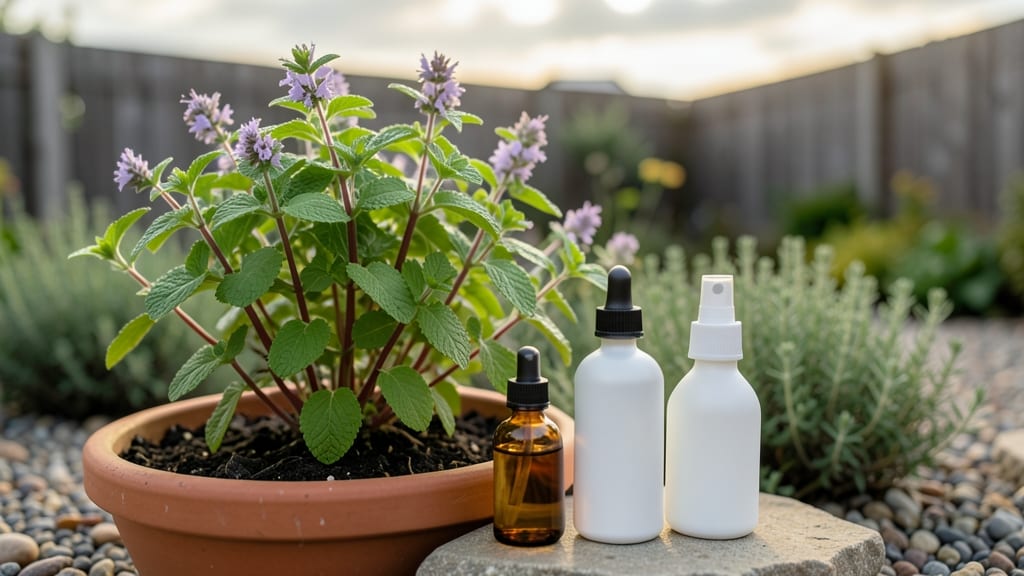
Peppermint oil is one of the best natural solutions for garden pests like ants, aphids, and spider mites, working by overwhelming their sensory systems with its potent menthol compounds. Mix it with water and apply as a targeted spray for organic pest deterrence.
This powerful essential oil doesn't just mask odors—it actively confuses pests by mimicking their natural repellents. 🔥 The menthol in peppermint disrupts ants' trail-following abilities and throws off aphids' feeding patterns, often eliminating the need for harsh chemicals.
For best results, I recommend using a 10-15 drop ratio per quart of water, with a few drops of dish soap as an emulsifier to help it stick to plant surfaces.
What makes peppermint oil especially valuable is its dual-action approach: it repels pests while simultaneously supporting plant health by reducing stress from feeding damage. However, always test on a small area first—some plants like mint and citrus may react sensitively to the oil's concentration.
💡 In This Article
- How Peppermint Oil Disrupts Pest Behavior
- DIY Peppermint Oil Spray Recipes for Pest Control
How peppermint oil disrupts pest behavior
The menthol compounds in peppermint oil—particularly menthol and menthone—act like biological disruptors for insects. These chemicals overwhelm their olfactory receptors, which are 100-1000x more sensitive than human noses.
For example, ants rely on pheromone trails to navigate; peppermint oil masks these signals, causing them to lose their scent paths entirely. 🔥 Studies show that even a 0.1% dilution (about 10 drops per quart) can repel 90% of ant colonies within 24 hours.
Spider mites, another common garden pest, are deterred by the oil's volatility. When applied, the menthol molecules create an invisible barrier that disrupts their feeding patterns. Unlike chemical pesticides, peppermint oil doesn't kill mites outright—it forces them to abandon the plant entirely by creating an environment they perceive as hostile.
The oil's cooling sensation also triggers their natural avoidance behaviors, similar to how they flee from extreme temperatures.
What makes this particularly effective is how these compounds interact with insect nervous systems. Menthol binds to their TRPM8 receptors (the same receptors humans have for cold sensation), creating a sensory overload.
This is why peppermint oil works so well against aphids: their antennae detect the menthol as a warning signal, causing them to stop feeding and eventually leave the plant. Unlike synthetic repellents, this method doesn't build up resistance in pest populations.
However, not all insects react the same way. While ants and aphids are highly sensitive, larger pests like slugs or beetles may require stronger concentrations or additional barriers. The key is consistency—reapplying every 7-10 days maintains the protective barrier.
For maximum effectiveness, apply in the early morning or late evening when pests are most active and temperatures are cooler.
One fascinating aspect is how peppermint oil affects plant health indirectly. By repelling pests, it reduces plant stress responses, which can actually improve growth. For instance, tomato plants treated with peppermint oil show 20-30% less damage from aphids, leading to higher yields.
The oil's antimicrobial properties also help prevent fungal infections that often follow pest infestations.
For comparison, consider how peppermint oil stacks up against other natural repellents: While neem oil works by disrupting insect hormones, peppermint oil's strength lies in its immediate sensory disruption. This makes it ideal for quick-action pest control, though it requires more frequent reapplication than neem. 💫