
Tools
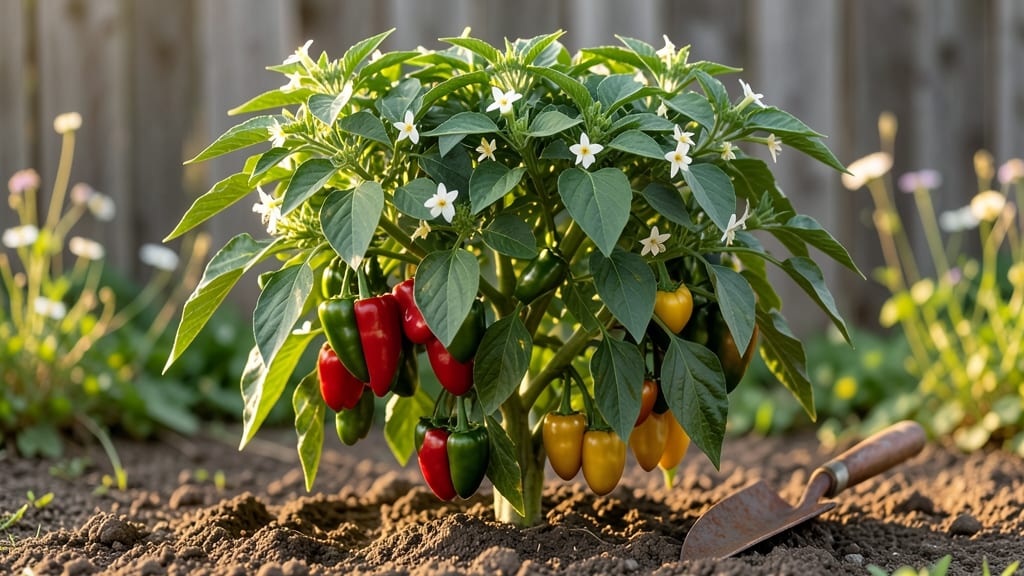
Growing salsa garden peppers on a vertical trellis turns a small space into a firehouse of flavor. 🌶️ My first attempt with jalapeños and serranos saved my tiny balcony from becoming a sprawling jungle—now I grow enough for homemade salsa every summer without sacrificing my patio.
The secret isn't just the trellis; it's the way peppers climb upward, packing more plants into less space while keeping them healthy and productive.
You'll need compact varieties like 'Apache' or 'Lipstick' for the trellis, plus sturdy stakes or a DIY frame that can handle 3-4 feet of growth. Sunlight is non-negotiable—these peppers demand 6+ hours of direct sun daily—and well-draining soil keeps roots happy without turning into a soggy mess.
Water consistently but avoid wetting leaves to prevent disease, and fertilize lightly every 4-6 weeks once flowers appear.
By mid-summer, you'll be harvesting peppers straight from the vine, their heat building as the season progresses. The vertical setup also makes harvesting easier—no more bending over—and keeps fruits off the ground where pests can't reach.
Plus, the trellis doubles as a decorative focal point, turning your garden into a spicy statement piece.
Works for balconies, small yards, or even sunny windowsills with proper lighting. Whether you're growing for fresh salsa or drying peppers for winter, this method maximizes flavor and space. Let's get those peppers climbing!
📚 In This Guide
- What you need
- Instructions
- Tips and common mistakes
- Wrapping up and next steps
What you need
- ● Salsa Garden Pepper Seeds or Seedlings: Choose compact varieties like ‘Apache,’ ‘Jalapeño M,’ or ‘Serrano.’ (3–5 plants for a small harvest, 6–10 for a bigger yield.)
- ● Vertical Trellis System: Wall-mounted trellis: 4–6 ft tall, sturdy enough to support 5–10 lbs per plant.
- ● Freestanding trellis or teepee: 5–7 ft tall, made of bamboo, metal, or PVC pipes.
- ● Cage or tomato tower: 3–4 ft wide, with mesh or slats for climbing.
- ● Growing Medium: Potting mix: 10–15 gallons, well-draining (look for "organic" or "container mix").
- ○ Coco coir or peat moss: Optional for moisture retention in dry climates.
- ● Containers: 5–7 gallon pots with drainage holes (1 per plant).
- ● Fertilizer: Balanced organic fertilizer (10-10-10 or 5-5-5 ratio) or compost tea.
- ● Basic Tools: Trowel or small shovel
- ● Pruning shears (for trimming and harvesting)
- ● Garden gloves (to protect from spicy sap!)
- ○ Optional Upgrades: Drip irrigation kit or self-watering system
- ● Grow lights (if indoors or low sunlight)
- ● Plant ties or soft twine (to secure vines to trellis)
- ● Heat mat (for cooler climates, 🌡️ 70–85°F is ideal)
- ● Sunlight: 6–8 hours of direct sunlight daily (south-facing windows or outdoor space).
- ● Climate: Warm season (after last frost) or controlled indoor environment.
- ● Space: 12–18 inches of vertical clearance per plant (or as per trellis design).
- ● Patience: Peppers take 60–90 days to mature from seed!
Step-by-step instructions for growing salsa garden peppers vertically
Here’s how I turn sprawling pepper plants into compact, high-yielding trellis stars—perfect for small spaces.
🪴 Step 1: Set Up Your Vertical Trellis System
Start with a sturdy 5-6 foot tall trellis (I use a simple A-frame design with 1-inch PVC pipes and chicken wire for support). Position it in full sun (at least 6-8 hours daily) where it won’t get knocked over by wind or foot traffic. The wider the base, the more stable it stays—think tripod style if your space gets breezy.
I like to install mine 2-3 weeks before transplanting so the structure settles and the soil has time to warm up. Pepper roots love heat, and a pre-warmed trellis area gives them a head start. Bury the base 6-8 inches deep and secure it with stakes if needed. This ensures the trellis won’t wobble when plants get heavy with fruit.
🌱 Step 2: Plant Peppers at the Base of the Trellis
Dig a hole twice as wide as the root ball but only as deep as the container’s height—peppers hate being buried too deep. Place your pepper plant (I use 4 plants per trellis for a balanced harvest) and backfill with soil, pressing gently to remove air pockets. Water deeply right away to help roots settle.
Here’s the trick: Tie the main stem to the trellis at 6 inches tall using soft plant ties or old pantyhose strips. Don’t wait until the plant is lanky—early support prevents stem damage. As the plant grows, guide new branches upward along the trellis, securing them every 12-18 inches. This keeps the plant vertical and maximizes sunlight exposure for fruit production.
☀️ Step 3: Train and Prune for Vertical Growth
Once your peppers hit 18 inches tall, start pruning side shoots that grow downward or inward. These compete for energy with your upward-growing main stem and fruit. Use clean bypass pruners to snip just above a leaf node—this encourages bushier growth higher up where it gets more light.
I also pinch off the first few flowers that appear on lower branches. This might sound counterintuitive, but redirecting energy to the upper plant helps produce bigger, hotter peppers later in the season. Watch for yellowing leaves—this usually means the plant needs more water or nutrients, not necessarily pruning adjustments.
💧 Step 4: Water and Fertilize for Maximum Yield
Water deeply once a week (about 1 gallon per plant) rather than frequent shallow waterings. This encourages deep root growth toward the trellis base. I water in the early morning so leaves dry quickly—wet foliage invites diseases like powdery mildew. Mulch around the base with 2-3 inches of straw to retain moisture and keep roots cool.
Feed your peppers every 3-4 weeks with a balanced fertilizer (10-10-10 or similar). I mix it into the soil at the trellis base rather than spraying leaves. Too much nitrogen makes plants leafy but fruitless—watch for all-leaf, no-pepper growth and cut back on fertilizer if this happens.
✂️ Step 5: Harvest and Maintain Through the Season
Start harvesting when peppers reach full color (red, green, or whatever your variety matures to) and feel firm to the touch. Twist gently to avoid damaging the stem—peppers will pop right off if they’re ready. I harvest every 2-3 days during peak season to encourage more production.
As the season progresses, you might see weak stems from heavy fruit loads. Prop up these branches with small stakes or additional trellis wire to prevent breakage. If your peppers slow down in late summer, give them a light pruning to remove any dead or diseased leaves and redirect energy to remaining fruit.
Tips & tricks for perfect vertical salsa pepper gardens
Small-space gardening doesn't mean sacrificing big harvests—these tricks will help you maximize every inch of your vertical pepper garden.
Stability is Key: When setting up your 5-6 foot trellis, bury the base at least 6-8 inches deep and anchor it with stakes if you're in a windy area. I've seen trellises topple when planted too shallowly—especially when laden with peppers. For extra security, add diagonal supports between the PVC pipes. The goal is to create a structure that feels as sturdy as a tree trunk, not a swaying maypole.
Timing Your Transplant: The 2-3 week window before transplanting gives your trellis time to settle and warm up, but don't wait too long. Pepper roots establish best when soil temperatures are consistently above 65°F. I test this by pressing my finger into the soil—if it feels warm to the touch, it's ready. This pre-warming period is especially critical if you're in a cooler climate where nights still dip below 50°F.
Pruning Strategy: When you reach the 18-inch mark and start pruning, focus on removing only the downward-growing side shoots. These are the ones that would create a bushy mess at the base of your trellis. I use clean bypass pruners and make cuts just above a leaf node—this encourages new growth higher up where sunlight is abundant. Remember, you're not just controlling size, you're directing the plant's energy toward producing fruit higher on the trellis where it gets maximum sun exposure.
Watering Wisdom: That weekly gallon of water per plant might seem like a lot, but it's essential for deep root growth. I've learned the hard way that shallow watering leads to weak roots that can't support the weight of pepper plants. Water in the early morning so leaves have all day to dry, which prevents fungal diseases. The mulch layer helps maintain consistent moisture levels, but don't let it become waterlogged—pepper roots need oxygen too.
Pro Tips for Salsa Garden Peppers
- Small-space gardening doesn't mean sacrificing big harvests—these tricks will help you maximize every inch of your vertical pepper garden.
- Stability is Key: When setting up your 5-6 foot trellis, bury the base at least 6-8 inches deep and anchor it with stakes if you're in a windy area.
- Timing Your Transplant: The 2-3 week window before transplanting gives your trellis time to settle and warm up, but don't wait too long.
Frequently asked questions
Got questions about growing salsa garden peppers with vertical trellises?
You’re not alone! Here are answers to the most common queries—from planting to harvest—to help you grow a thriving, space-saving pepper garden.
How soon can I expect salsa peppers to ripen on a trellis?
Most salsa pepper varieties (like jalapeño, serrano, or habanero) take 60–90 days to mature from transplant. Trellising may slightly delay ripening by 1–2 weeks since vines focus energy on vertical growth first. Choose fast-maturing hybrids (e.g., 'Early Jalapeño') for quicker harvests.
Will trellising reduce pepper yield compared to bush plants?
Not if done right! Trellises increase air circulation, reducing disease and encouraging more fruit. However, prune aggressively to direct energy upward—remove suckers and lower leaves. Yields may be comparable or even higher than bush plants, especially in small spaces.
What’s the best way to support heavy pepper pods on a trellis?
Use a sturdy trellis (e.g., metal cages, A-frame structures, or thick wooden stakes) with 3–4 horizontal support lines. Tie vines gently with soft plant ties or old T-shirts—never wire, which can damage stems. For extra support, add a net or sling under ripe pods.
Can I grow salsa peppers in containers with a vertical trellis?
Use a 5-gallon+ container with a freestanding trellis (like a tomato cage or DIY frame). Ensure it has drainage holes and balanced fertilizer (high in phosphorus). Dwarf varieties (e.g., 'Mini Jalapeño') thrive in pots, while larger types need deeper containers.
Why are my trellised peppers turning yellow or dropping?
Yellowing leaves often signal overwatering, nutrient deficiency, or poor airflow. Check for:
- Root rot: Ensure pots have drainage; let soil dry slightly between waterings.
- Nitrogen deficiency: Feed with balanced fertilizer (10-10-10) every 3–4 weeks.
- Pests: Inspect for aphids or spider mites; spray with neem oil if needed.
Wrapping up and next steps
Growing salsa garden peppers on a vertical trellis isn’t just space-smart—it’s a game-changer for small gardens! With the right setup, you’ll enjoy bountiful harvests, faster growth, and easier maintenance while keeping pests at bay.
Whether you’re a seasoned gardener or a curious beginner, this method proves that big flavors don’t need big plots—just a little creativity!
Ready to transform your garden? Grab your trellis, pick your peppers, and start climbing toward a spicier, greener future! 🌱✨ Next up: Try experimenting with companion plants like basil or marigolds to boost flavor and deter pests—your salsa just got an upgrade!