
Diseases
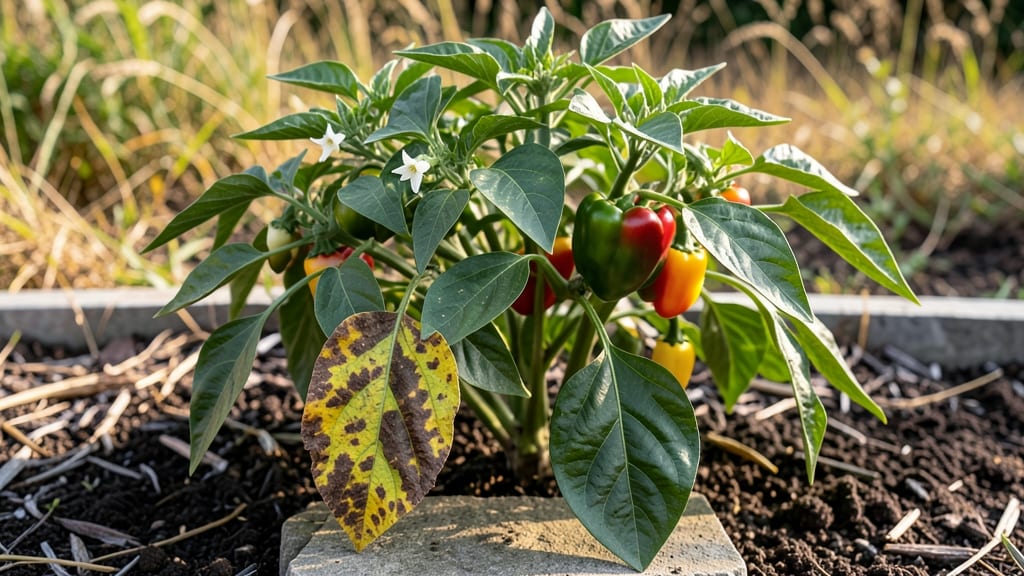
Identifying sweet pepper plant diseases early can save your harvest—here’s how to spot and stop wilting and spots before they spread.
Those could be early signs of bacterial spot or powdery mildew—diseases that turn vibrant harvests into sad, shriveled peppers. 🌱 I’ve seen this happen to my own plants, and the key is catching it early before the whole crop suffers. The good news?
Organic solutions work just as well as chemicals, and they keep your peppers safe for eating.
Most diseases start with tiny cracks in the leaves or white powdery coatings, often from too much moisture or poor airflow. My biggest mistake was ignoring the first signs—by the time I noticed, half my plants were struggling.
The fix? Prune for airflow, water at the base (not overhead), and use a mix of neem oil and baking soda spray to stop the spread. It’s not rocket science, but timing matters.
With the right approach, you’ll save your plants and still get a full harvest. I’ve gone from losing entire rows to growing peppers that look—and taste—better than store-bought. The secret is acting fast when you spot the first yellowing leaf or strange spots. Let’s get your peppers back on track.
This works for any garden—containers, raised beds, or in-ground—so long as you adjust for your climate. Humid areas? Focus on airflow. Dry climates? Water smarter. The same principles apply, and your peppers will thank you at harvest time.
Root Causes Of Sweet Pepper Ailments
Sweet pepper plants may look resilient, but they’re vulnerable to diseases when certain conditions align—like a perfect storm for pathogens. Understanding why these issues arise helps you prevent or treat them before they spiral out of control.
Below, we break down the key culprits behind sweet pepper plant diseases, from environmental triggers to cultural mistakes.
Sweet peppers thrive in warm, stable conditions (65–85°F / 18–29°C), but extremes or sudden shifts invite trouble:
- Cold Stress (Chilling Injury): Temperatures below 50°F (10°C) disrupt cell membranes, making peppers prone to bacterial spot or powdery mildew. Cold nights followed by warm days create condensation, trapping moisture on leaves—ideal for fungal spores to latch on.
- Excessive Humidity (>75%): Stagnant air prevents water evaporation, leaving leaves wet for prolonged periods. This is a golden opportunity for pathogens like Phytophthora (root rot) or Colletotrichum (anthracnose) to infect through stomata (leaf pores).
- Hot, Dry Heatwaves: While peppers tolerate heat, sudden dry spells weaken plants, reducing their ability to fight off pests (like aphids, which spread viruses). Overheated soil also stresses roots, making them susceptible to Fusarium wilt.
💡 Pro Tip: Use a hygrometer to monitor humidity and space plants for airflow. If humidity rises above 70%, consider a fan or dehumidifier in greenhouses.
Peppers hate soggy roots—their shallow root systems need well-draining soil to avoid:
- Fungal Infections (Phytophthora, Pythium): Waterlogged soil cuts off oxygen, causing roots to rot. Phytophthora capsici thrives in anaerobic (oxygen-poor) conditions, leading to sudden wilting even when soil is wet. Sign? Brown, mushy roots and stunted growth.
- **Bacterial Soft Rot (Erwinia carotovora): Overwatering creates standing water in the crown (where stem meets soil), inviting bacteria to enter through wounds. Infected peppers turn mushy and foul-smelling within days.
- Magnesium Deficiency (From Overwatering): Excess water leaches nutrients, including magnesium, causing interveinal chlorosis (yellowing between veins). Weakened plants can’t resist secondary infections like powdery mildew.
⚠️ Warning: Check soil moisture with your finger—top 1–2 inches should dry before watering again. Use raised beds or container pots for better drainage.
Diseases linger in soil and tools like a bad houseguest that won’t leave. Key offenders:
- Old Crop Debris: Leaving infected plant remains (especially from previous pepper crops) in the soil spreads viruses (e.g., Tobacco Mosaic Virus) and fungal spores** for years. Verticillium and Fusarium wilt pathogens can survive 10+ years in contaminated soil.
- Reused Containers Without Sterilization: Pots, trellises, or stakes harbor pathogens if not cleaned. Pythium spores, for example, survive in old potting mix and reinfect new plants.
- Cross-Contamination from Other Plants: Sharing tools (pruners, gloves) between tomatoes and peppers spreads early blight or septoria leaf spot. Even compost from diseased plants can reintroduce problems.
🔥 Fix It: Solarize soil in summer (cover with clear plastic for 4–6 weeks to kill pathogens) or use sterilized potting mix. Disinfect tools with 1 part bleach to 9 parts water or 70% rubbing alcohol.
Pests don’t just eat peppers—they create entry points for diseases:
- Aphids & Whiteflies: These sap-sucking insects excrete honeydew, a sticky residue that fosters sooty mold (a black fungal growth). Worse, they transmit viruses like Pepper Mild Mottle Virus (PMMoV), causing stunted, crinkled leaves.
- Thrips: Their serrated mouthparts damage leaf tissue, making peppers vulnerable to secondary fungal infections. Thrips also spread Tomato Spotted Wilt Virus (TSWV), which causes brown rings on leaves.
- Root-Knot Nematodes: These microscopic worms gall roots, reducing nutrient uptake. Weakened roots can’t fight off Fusarium wilt, leading to sudden collapse of mature plants.
🌡️ Prevention: Introduce beneficial insects (ladybugs, lacewings) or use neem oil to deter pests. Crop rotation (avoiding Solanaceae family plants like tomatoes/peppers in the same spot yearly) disrupts nematode life cycles.
Peppers need balanced nutrients—too much or too little throws them off-kilter:
- Nitrogen Overload: Lush, dark green leaves look healthy, but excess nitrogen delays maturity and weakens cell walls, making peppers more susceptible to bacterial spot (Xanthomonas campestris).
- Calcium Deficiency: Poor calcium (from overwatering or acidic soil) causes blossom-end rot (black, sunken spots on peppers). It also weakens cell membranes, allowing fungal entry.
- Potassium Shortage: Without enough potassium, peppers can’t regulate water or fight disease pressure. Symptoms? Yellowing leaf edges and poor fruit development, followed by increased susceptibility to wilts.
📊 Soil Test Tip: Test soil pH (aim for 6.0–6.8) and amend with compost or lime (for calcium) if needed. Avoid synthetic fertilizers high in nitrogen—opt for balanced 10-10-10 or organic options like fish emulsion.
Mother Nature throws curveballs, and peppers pay the price:
- Heavy Rain or Overhead Watering: Rain splashes soilborne pathogens (like Phytophthora) onto leaves. Drip irrigation (kept below foliage) prevents this.
- Hail or Physical Damage: Torn leaves provide open wounds for bacteria (Pseudomonas syringae) to invade, causing bacterial leaf spot.
- Drought Followed by Sudden Water: Osmotic stress from drought weakens roots, making them more vulnerable to root rot when finally watered.
⏰ Timing Matters: Water early in the day so foliage dries quickly. Mulch (straw or wood chips) retains moisture without suffocating roots.
Quick Fixes for Pepper Plant Problems
Now that you’ve identified the issue plaguing your sweet pepper plants, it’s time to take action! Whether it’s fungal infections, bacterial rot, or pesky pests, these practical, organic solutions will help your plants bounce back—without harsh chemicals.
Below, we’ve mapped out cause-specific fixes and prevention tips to keep your peppers thriving.
Fungal infections like powdery mildew, downy mildew, and anthracnose thrive in damp, humid conditions. The good news? You can reverse the damage with these steps.
🔥 Remove Infected Plant Parts Immediately
- Snip off yellowing, spotted, or moldy leaves and stems with clean pruners (sterilize with rubbing alcohol between cuts).
- Do not compost infected plant debris—dispose of it in the trash to prevent reinfection.
- Pro Tip: 💡 If the disease has spread to more than 20% of the plant, consider removing the entire plant to protect others.
🌿 Apply Organic Fungicides
- Neem oil spray (1 tsp neem oil + 1 tsp mild soap + 1 quart water) – spray early morning or late evening to avoid burning leaves.
- Baking soda solution (1 tbsp baking soda + 1 quart water + a few drops of soap) – reapply every 7–10 days for powdery mildew.
- Copper fungicide (organic option like Copper Soap) – follow label instructions for severe cases like anthracnose.
🌡️ Improve Airflow & Reduce Humidity
- Space plants 12–18 inches apart to allow circulation.
- Water at the base (avoid overhead spraying) and water early in the day so leaves dry quickly.
- Use a fan on low setting near plants if humidity is high (especially in greenhouses).
🌱 Prevention for Next Season
- Rotate crops—don’t plant peppers in the same spot for 3+ years.
- Solarize soil (cover with clear plastic for 4–6 weeks in summer) to kill fungal spores.
- Choose resistant varieties like ‘Aristotle’ or ‘Carmen’ if fungi are a recurring issue.
Bacterial infections like bacterial leaf spot, blight, and canker spread rapidly and can’t be cured—only managed. Your goal? Slow the spread and prevent further damage.
🧼 Sterilize Everything
- Wash hands, tools, and containers with soapy water and 10% bleach solution (1 part bleach to 9 parts water) before and after handling plants.
- Remove and destroy infected plants immediately—do not compost them.
🚰 Adjust Watering Practices
- Water deeply but infrequently (1–1.5 inches per week) to avoid soggy soil.
- Use drip irrigation instead of sprinklers to keep foliage dry.
- Avoid watering late in the day—wet leaves overnight invite bacteria.
🌿 Boost Plant Immunity
- Apply compost tea or fish emulsion (diluted) every 2–3 weeks to strengthen plant defenses.
- Prune for airflow—remove crowded leaves to reduce moisture buildup.
- Avoid overhead spraying of fertilizers (can introduce bacteria).
🌱 Prevention for Future Crops
- Plant disease-resistant varieties like ‘California Wonder’ or ‘Jupiter’.
- Solarize soil before replanting (see fungal prevention tips).
- Test soil pH—bacteria thrive in acidic soil (pH < 6.0); aim for 6.0–6.8.
Pests like aphids, spider mites, and pepper maggots weaken plants, making them more susceptible to diseases. Here’s how to evict them for good.
🔪 Manual Removal (Best for Small Infestations)
- Aphids & Spider Mites:
- Blast them off with a strong stream of water (early morning).
- Wipe leaves with a soapy sponge (1 tsp mild soap per gallon of water).
- Pepper Maggots (Larvae in Soil):
- Handpick eggs (tiny white dots on leaves) and drop them in soapy water.
- Check soil for larvae—remove by hand or use a fine mesh screen to sift soil.
🍳 Natural Pest Repellents
| Pest | Solution | How to Apply |
|---|---|---|
| Aphids | Neem oil spray or garlic spray (blend 2 garlic cloves + 1 quart water, strain) | Spray directly on pests, reapply every 5–7 days. |
| Spider Mites | Horticultural oil or insecticidal soap | Spray both sides of leaves, repeat weekly. |
| Pepper Maggots | Diatomaceous earth (DE) or kaolin clay | Sprinkle DE around base (reapply after rain). Mix kaolin clay with water for a foliar spray. |
| Whiteflies | Yellow sticky traps or reflective mulch | Hang traps near plants; cover soil with aluminum foil to deter adults. |
🌱 Long-Term Pest Control
- Interplant with repellent herbs like basil, marigolds, or dill to confuse pests.
- Encourage beneficial insects—ladybugs, lacewings, and parasitic wasps eat pests naturally.
- Rotate crops and clean up debris after harvest to remove hiding spots.
- Fertilize lightly with balanced organic fertilizer (5-5-5) to boost plant health.
- Mulch with straw or grass clippings to retain moisture and regulate soil temp.
- Monitor daily—catch new symptoms early for faster recovery.
Remember: 🎯 Prevention is easier than cure! Healthy soil, proper spacing, and consistent care will keep your sweet peppers disease-free and productive. If all else fails, start fresh—sometimes a new plant is the best solution! 🌱
Frequently asked questions
What are the first signs of powdery mildew on sweet pepper plants?
Look for white, powdery patches on leaves that resemble dust—especially on the undersides. These spots start small but spread quickly in humid conditions. If ignored, they'll turn leaves yellow and crispy. Catch it early with a baking soda spray (1 tbsp baking soda + 1 quart water + soap) applied every 7-10 days.
Why do my pepper plants suddenly wilt even when the soil is wet?
This is often root rot from Phytophthora or Pythium—fungi that thrive in waterlogged soil. Check roots: healthy ones are firm, while infected ones are brown and mushy. Fix it by improving drainage (raised beds or containers) and avoiding overhead watering. For existing plants, prune affected roots and repot with fresh, sterile soil.
Can I save a pepper plant with bacterial spot?
Unfortunately, bacterial spot (Xanthomonas campestris) has no cure—once infected, the plant will decline. Remove it immediately to prevent spread. Sterilize tools with 10% bleach solution and avoid planting peppers in that spot for 3 years. Choose resistant varieties like 'Aristotle' next season, and water at the base (not overhead) to prevent reinfection.
How often should I spray neem oil to prevent diseases?
Apply neem oil spray every 2-3 weeks as a preventive measure, especially during humid weather. Mix 1 tsp neem oil + 1 tsp mild soap + 1 quart water, and spray early morning or late evening to avoid leaf burn. For active infections, increase to weekly applications until symptoms disappear.
What’s the best way to sterilize garden tools to prevent cross-contamination?
Wipe tools with 70% rubbing alcohol or soak them in a 10% bleach solution (1 part bleach to 9 parts water) for 10 minutes. Rinse and dry completely before use. Store tools in a dry, shaded area between uses to prevent rust and bacterial buildup. Never share tools between healthy and diseased plants!