
Flowers
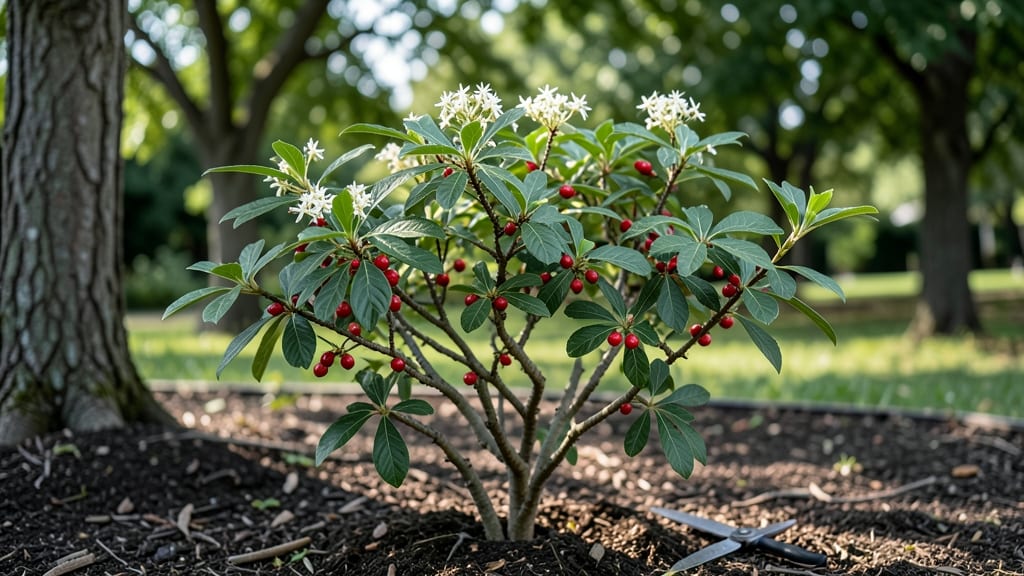
Your garden just got a spicy upgrade with Szechuan pepper flowers—tiny, fragrant blooms that pack a visual punch and a surprising kick. 🌸 These delicate white flowers appear in late spring, transforming your shrub into a showstopper while delivering the signature numbing spice of Szechuan cuisine.
The secret to coaxing them out? A balance of sun, soil, and strategic pruning that most gardeners overlook.
This plant thrives in full sun but tolerates partial shade, making it versatile for borders or containers. Well-draining soil is key—think sandy loam with a touch of compost—and watering should be consistent but not soggy.
The real magic happens in early spring when you prune back last year’s growth; this encourages fresh, flower-laden branches. Most varieties bloom in 4-6 weeks after pruning, with flowers lasting 2-3 weeks if pollinators visit regularly.
What you’ll end up with is a shrub that doubles as both a fragrant centerpiece and a kitchen staple. The flowers attract bees and butterflies, while the berries (when they appear) add a zesty harvest for cooking.
The spicy aroma lingers on your hands after handling, and the contrast of its glossy leaves with the white blooms creates a striking focal point. Perfect for cottage gardens, urban patios, or even as a container specimen.
Here’s the twist: these flowers aren’t just pretty—they’re functional. Dried blooms can infuse oils or vinegars with their signature tingling heat, and the plant’s adaptability means it grows well in zones 6-9.
Whether you’re growing it for the show or the spice, this shrub delivers on both fronts. Let’s get those blooms popping!
📚 In This Guide
- What you need
- Instructions
- Tips and common mistakes
- Wrapping up and next steps
What you need
- ● Szechuan pepper plant (Zanthoxylum schinifolium) – 1 mature plant (or seeds for propagation). Look for healthy, disease-free specimens with vibrant foliage.
- ● Well-draining potting mix – 2–3 gallons (for containers) or enrich soil with compost (for in-ground planting). Aim for a pH of 6.0–7.5.
- ● Organic fertilizer – Balanced 10-10-10 or a slow-release granular formula (1–2 tbsp per plant, monthly during growing season).
- ● Pruning shears – Sharp, clean pair for trimming dead blooms or shaping the plant.
- ● Watering can or hose with a gentle nozzle – Avoid overwatering; these plants prefer slightly dry conditions.
- ● Decorative pots or garden beds – Terracotta or ceramic containers (12–18 inches wide) add visual appeal.
- ● Mulch (straw or wood chips) – Helps retain moisture and suppress weeds.
- ● Dried flower preservation kit – Silica gel or a dehydrator if you plan to preserve the blooms for crafts.
- ○ Gloves (optional) – The leaves and berries contain mild irritants; wear them if you’re sensitive to spicy plants.
Step-by-step guide to growing Szechuan pepper flower
Here's how to cultivate these striking, spicy plants that bring both beauty and flavor to your garden.
🌱 Step 1: Choose the Right Location and Prepare Soil
Szechuan pepper flowers thrive in full sun, so select a spot that receives at least 6-8 hours of direct sunlight daily. These plants love warmth and need protection from strong winds. If you're in a cooler climate, consider planting near a south-facing wall to capture extra heat.
Before planting, enrich the soil with a mix of compost and aged manure to ensure good drainage while retaining moisture. Szechuan pepper flowers dislike soggy roots, so avoid heavy clay soil. Work in a handful of coarse sand or perlite if your soil tends to compact easily. The ideal soil pH is slightly acidic to neutral, around 6.0-7.0.
☀️ Step 2: Plant Seeds or Transplants at the Right Time
Start seeds indoors 8-10 weeks before your last frost date for a head start, or purchase young plants from a nursery. Szechuan pepper flowers grow slowly at first, so early planting gives them time to establish before summer heat arrives. Plant seeds 1/4 inch deep in well-draining seed-starting mix, keeping the soil consistently moist but not waterlogged.
Once seedlings develop 2-3 sets of true leaves (about 6-8 weeks after sowing), transplant them outdoors after all danger of frost has passed. Space plants 3-4 feet apart to allow for their eventual spread. If using transplants, harden them off gradually by exposing them to outdoor conditions for 1-2 hours daily over 7-10 days before planting.
💧 Step 3: Water and Fertilize for Healthy Growth
Water deeply 1-2 times per week, ensuring the top 6 inches of soil stay moist but not saturated. These plants are somewhat drought-tolerant once established, but consistent moisture encourages lush foliage and abundant blooms. Water at the base of the plant in the morning to allow foliage to dry quickly, reducing the risk of fungal diseases.
Fertilize lightly in early spring with a balanced, 10-10-10 fertilizer to promote growth. Avoid over-fertilizing, as too much nitrogen can lead to excessive foliage at the expense of flowers. Once blooming begins, switch to a low-nitrogen, high-phosphorus fertilizer (like 5-10-10) to encourage more flowers. Stop fertilizing in late summer to allow the plant to prepare for winter.
✂️ Step 4: Prune and Maintain for Optimal Blooms
Prune back leggy or overgrown stems in early spring to encourage bushier growth. Cut just above a set of leaves or a bud to promote new growth. Remove any dead, diseased, or crossing branches throughout the growing season to improve airflow and reduce pests. This also helps direct energy toward producing more flowers rather than excessive foliage.
Deadhead spent blooms regularly to encourage continuous flowering. Pinch off the faded flowers with your fingers or use clean pruning shears. This practice also prevents the plant from setting seed, which can divert energy away from new blooms. Mulch around the base of the plant with 2-3 inches of organic mulch to retain moisture, regulate soil temperature, and suppress weeds.
🪴 Step 5: Overwinter and Protect for Next Season
Szechuan pepper flowers are hardy in USDA zones 7-10, but they may need protection in colder regions. Once temperatures drop below 20°F, cover the plant with a thick layer of mulch or use frost cloth to insulate the roots. In zones colder than 7, consider growing the plant in a large container so you can move it indoors or to a sheltered location during winter.
In early spring, prune back any damaged or dead growth and fertilize lightly to stimulate new growth. If you're growing in a container, repot every 2-3 years to refresh the soil and provide more room for the plant's expanding root system. With proper care, your Szechuan pepper flower can live for many years, providing both stunning blooms and aromatic foliage.
Tips & tricks for perfect Szechuan pepper flower cultivation
Real talk: These vibrant plants are easier to grow than you think—once you know these key tricks. Here's what nobody tells you about getting those stunning blooms and spicy foliage.
Sunlight Secret: While the instructions call for 6-8 hours of sunlight, I've found that in hotter climates, afternoon shade can prevent leaf scorch. Position your plants to get morning sun and afternoon shade if temperatures regularly exceed 90°F. The key is maintaining that bright sunlight without burning the delicate leaves.
Soil Mix Matters: The compost and aged manure recommendation is spot-on, but here's what I learned the hard way: mix in a handful of worm castings too. They add beneficial microbes that help the plant absorb nutrients more efficiently. For containers, use a blend of potting soil, perlite, and coconut coir for perfect drainage while retaining moisture.
Hardening Off Hack: That 1-2 hour daily hardening off period can be tricky with seedlings. Start with just 30 minutes in the first day, then gradually increase by 30 minutes each subsequent day. Watch for wilting—if you see that, they're not ready for longer exposure yet. This slow approach prevents transplant shock that can stunt growth.
Fertilizer Timing: The switch from 10-10-10 to 5-10-10 when blooming begins is crucial, but here's the part they don't mention: apply the high-phosphorus fertilizer when you see the first buds forming, not when blooms are already open. This timing gives you the best chance for abundant, continuous flowering throughout the season.
Pro Tips for Szechuan Pepper Flower
- Real talk: These vibrant plants are easier to grow than you think—once you know these key tricks.
- Sunlight Secret: While the instructions call for 6-8 hours of sunlight, I've found that in hotter climates, afternoon shade can prevent leaf scorch.
- Soil Mix Matters: The compost and aged manure recommendation is spot-on, but here's what I learned the hard way: mix in a handful of worm castings too.
Frequently asked questions
When is the best time to plant Szechuan pepper flowers?
The ideal time to plant Szechuan pepper flowers is in early spring after the last frost, once soil temperatures reach at least 60°F (15°C). They thrive in warm climates and can also be planted in late summer for a fall harvest. If growing indoors, start seeds 8-10 weeks before the last frost for optimal results.
How spicy are the flowers compared to the berries?
The flowers have a milder, citrusy heat compared to the berries, which pack a stronger, numbing spiciness. While the flowers add a subtle tingling sensation (like a cross between pepper and lemon), the berries deliver the classic Sichuan peppercorn kick. Use flowers for garnishes or delicate dishes, and save berries for bold flavors!
Can I grow Szechuan pepper flowers in containers?
Yes! They adapt well to large containers (at least 12-15 inches deep) with drainage holes. Use a well-draining potting mix and place them in full sun (6+ hours/day). Just ensure the pot is wide enough for their spreading roots—5-gallon containers work great for small plants.
What dishes pair best with Szechuan pepper flowers?
These flowers shine in Asian-inspired dishes, like:
- Stir-fries (e.g., Sichuan-style chicken or tofu)
- Salads (toss with greens and citrus dressing)
- Infused oils/vinaigrettes (adds a zesty kick)
- Garnishes for cocktails (think spicy margaritas!)
Why are my Szechuan pepper flowers turning yellow?
Yellowing leaves usually signal overwatering, poor drainage, or nutrient deficiency. Check:
- Watering: Let soil dry between waterings—these plants hate soggy roots.
- Soil: Ensure pots/containers have drainage holes.
- Fertilizer: Use a balanced 10-10-10 formula every 4-6 weeks in growing season.
Wrapping up and next steps
From its bold flavor to its striking beauty, the Szechuan pepper flower is a true gem for both culinary adventurers and plant enthusiasts.
Whether you're growing it for its unique tingling kick or admiring its ornamental charm, this plant proves that nature’s best surprises often bloom in unexpected ways. 🌸
Ready to bring a little Szechuan magic into your life? Start by planting a seed (or a cutting!) and watch as this fiery flower transforms your garden—or your kitchen—into a vibrant, flavorful paradise. Happy growing! 🌱