
Plants
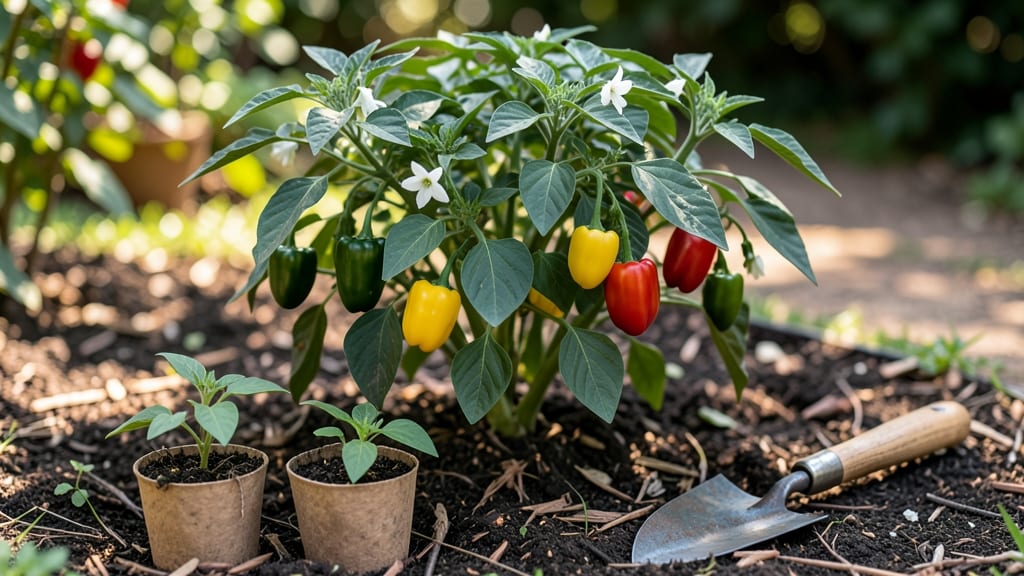
Planting bell peppers in Southern California at the right time means avoiding both frost (rare but possible in inland valleys) and scorching summer heat that can stress young plants.
Timing is everything for a bountiful harvest of 🌶️ bell peppers, especially in a region where coastal fog, inland valleys, and desert zones all play by different rules. One wrong move, and you could end up with stunted plants or no harvest at all.
Most gardeners in USDA Zones 9b-11 aim for early spring (March-May) or late summer (August-September) plantings, but the devil is in the details. Coastal areas can handle slightly earlier starts, while inland zones need to wait until the soil warms to 60°F to avoid heat shock.
In this guide, you’ll discover the exact planting windows for your microclimate, how to prep soil for peak growth, and smart succession planting tricks to keep peppers producing from June through December.
Southern California bell pepper planting calendar by heat zone
Southern California’s diverse heat zones create unique challenges for growing bell peppers. Coastal areas stay cooler, inland zones bake under summer sun, and desert regions face extreme heat. To maximize your harvest, align planting with your local microclimate—whether you're in Zone 9b, 10a, or 11.
The key is avoiding spring frost risks (rare but possible in coastal hills) and summer heat stress (above 90°F/32°C).
Bell peppers thrive when soil reaches 60°F (15°C), but timing varies by region. Coastal gardeners can start earlier, while desert growers must wait until late spring or opt for shade cloth.
Below, I’ve broken down the ideal planting windows for three key zones: coastal, inland, and desert. Each has distinct frost dates, heat thresholds, and harvest windows.
Pro Tip: Use succession planting in August-September to beat summer heat and extend harvests into fall. For example, plant heat-tolerant varieties like ‘Carmen’ or ‘Aristotle’ in inland zones to survive 100°F+ days. Coastal areas can grow longer-season varieties like ‘Big Jim’ with minimal stress.
Notice how coastal zones have a 6-week earlier window than desert areas? That’s due to cooler nights and fog protection. Inland zones like the San Fernando Valley face hotter afternoons, so I recommend planting heat-tolerant varieties like ‘Aristotle’ and using 50% shade cloth during peak summer.
For desert gardeners, the April 15 start date ensures soil warms enough to prevent root rot while avoiding the June-August heatwave. If you’re in Palm Springs, pair your peppers with drip irrigation and mulch to retain moisture. Even then, expect reduced yields if temps exceed 105°F.
Heat Thresholds Matter: Bell peppers stop setting fruit when daytime temps hit 90°F+. In Zone 11, that means August planting is risky—opt for shade-loving varieties or grow peppers under 30% shade cloth. Coastal areas can push late fall plantings (October-November) for winter harvests, but inland zones should stop by September 15.
One of my biggest mistakes was planting ‘Big Jim’ peppers in July in Riverside. By August, the plants were wilting, and I lost half my crop.
Now, I always stagger plantings: March for spring harvests, August for fall harvests, and September for winter varieties in coastal areas. This succession method
Microclimate-specific tips for bell pepper success in SoCal
Southern California’s microclimates create unique challenges for growing bell peppers. Coastal areas battle morning fog, inland zones face intense afternoon heat, while desert regions contend with scorching temperatures.
Each zone requires tailored strategies for soil, water, and protection to ensure thriving plants. Understanding these differences is key to avoiding common pitfalls like blossom drop or stunted growth.
For coastal regions (e.g., Santa Barbara, San Diego), the biggest threat isn’t heat—it’s delayed warming from ocean breezes. Inland areas like Los Angeles and Riverside experience rapid temperature swings, while desert zones (Palm Springs, Coachella Valley) demand extra water and shade.
Let’s break down the essential adjustments for each zone to maximize your harvest potential.
- Coastal Zones: Plant late February to early March after soil reaches 60°F. Use black plastic mulch to warm soil faster and row covers for morning frost protection (rare but possible).
- Inland Zones: Start seeds indoors in February, transplant mid-April when nights stay above 55°F. Use drip irrigation to avoid wetting leaves and shade cloth (30%) during 100°F+ days.
- Desert Zones: Plant late August to early September for fall harvests. Amend soil with 30% compost and use 5-gallon containers with self-watering reservoirs to conserve moisture.
- All Zones: Test soil pH (6.0-6.8) and add lime or sulfur as needed. Use mycorrhizal fungi to improve root health in sandy desert soils.
In coastal areas, I’ve found that early-maturing varieties like ‘Early California Wonder’ thrive best. These peppers mature in 60-65 days, avoiding the summer heat that can stress plants. Pair them with straw mulch to retain moisture and deter weeds, which compete for nutrients in the cool, damp soil.
For inland gardens, focus on heat-tolerant varieties such as ‘NuMex Sandia’ or ‘Jupiter’. These handle 90°F+ temperatures better than standard types. Install drip irrigation on timers to deliver 1-2 gallons per plant daily during peak heat. Avoid overhead watering, which can spread fungal diseases like anthracnose.
In desert environments, prioritize container growing or raised beds filled with cactus soil mix. This improves drainage and reduces water loss. I’ve had success with shade cloth (40-50%) during the hottest hours (12 PM - 4 PM).
Additionally, drip irrigation with emitters placed at the base of plants minimizes evaporation and keeps roots cool.
Regardless of your zone, soil preparation is non-negotiable. Mix in aged compost and worm castings to boost organic matter. For desert soils, add perlite or vermiculite to improve aeration. In coastal areas, peat moss helps with drainage. Always water deeply after planting to encourage root growth into the soil.
With these microclimate-specific adjustments, your bell peppers will flourish year-round. Monitor plants closely, especially during transitions between seasons, and don’t hesitate to experiment with season-extending tools like row covers or cold frames for fall/winter harvests. Happy growing! 🌱