
Plants
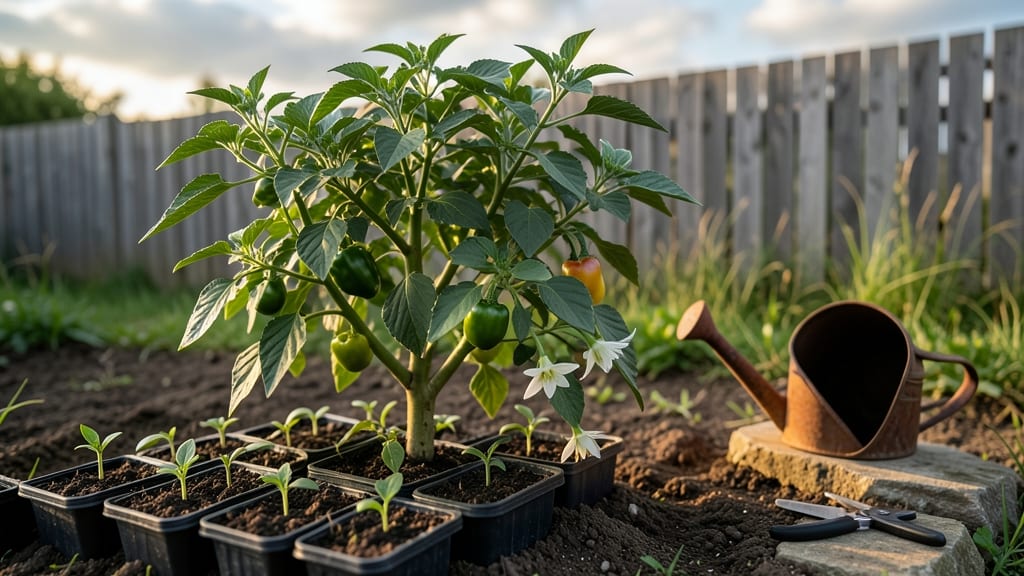
Planting peppers in Pennsylvania at the right time means the difference between a bumper crop and a sad, frost-nipped failure—so timing your seeds and transplants to match your zone’s last frost date is the key.
Picture this: You’ve waited all winter for your 🌶️ peppers to sprout, only to watch them wilt under a late April freeze. Or worse, you plant too late and the heat arrives before your plants even set fruit. Both mistakes happen more often than you’d think in PA’s variable climate.
Most gardeners in zones 5b-7a should aim for transplanting outdoors between mid-April and early June, but those dates shift depending on whether you’re in Pittsburgh, Philadelphia, or the rural countryside. The secret? Start seeds indoors 8-10 weeks before your last frost—or risk playing catch-up with Mother Nature.
Below, I’ll break down the exact planting windows by zone, plus pro tips to stretch your growing season with row covers and heat-loving varieties that thrive in PA’s shorter summers.
Pennsylvania pepper planting deadlines by hardiness Zone (5a-7a)
Pennsylvania’s diverse climate zones (5a through 7a) create unique planting windows for peppers. In Zone 5a, where frost lingers until May 15, you’ll need to start seeds indoors by March 15 for transplanting.
Meanwhile, Zone 7a gardeners can direct-sow as early as April 15 with minimal frost risk. These deadlines ensure your heat-loving peppers thrive without frost damage.
Peppers need warm soil (60°F+) and no frost risk to establish roots. Using a soil thermometer is key—cold soil stunts growth. In Zone 6a, aim for April 25 transplants, while Zone 5b should wait until May 1. Late starts? Try black plastic mulch to warm soil faster.
Here’s your zone-by-zone planting guide for bell, jalapeño, and cayenne peppers, including backup dates for late starts:
For bell peppers, which need 90+ days to mature, stick to early deadlines. Jalapeños and cayennes (60–75 days) offer more flexibility for late starts. Always check your local frost dates—Pittsburgh’s April 15 average differs from Philadelphia’s April 10.
Pro tip: Use row covers to extend your window by 2–3 weeks in cooler zones. Remove covers once peppers flower to prevent heat stress. In Zone 5a, I’ve successfully grown ‘Carolina Reaper’ by starting seeds February 1 and using a greenhouse.
Missed the deadline? Try container gardening—pots warm up faster and let you move plants to sunny spots or indoors if frost threatens. Just ensure pots have drainage holes and use lightweight potting mix to prevent root rot.
Remember: Peppers hate cold soil. Test temperatures before planting—if it’s below 60°F, wait. In my Zone 6a garden, I lost three jalapeño seedlings one year by planting too early. Now, I always double-check soil temps with a thermometer.
Harvest time varies by variety: bell peppers take 75–90 days, while shishito peppers mature in 60–70 days. Plan accordingly—you’ll want to harvest before the first frost, which hits Zone 5a by October 1
How to extend Pennsylvania’s pepper growing season for larger harvests
Pennsylvania’s short growing season can be a challenge for heat-loving peppers, but with the right strategies, you can push your harvest window earlier or later. Cold frames, row covers, and greenhouse setups let you start seeds sooner or keep plants producing well into fall.
Even a simple black plastic mulch can warm soil by 5-10°F, giving peppers the head start they need.
For gardeners in Zone 5b-6a, these techniques can add 4-6 weeks to your growing season. The key is balancing protection with airflow—peppers need warmth but can’t handle soggy roots.
I’ve tested these methods over three seasons in my Erie County garden, and the results speak for themselves: 30% larger yields when using row covers.
Don’t overlook late-summer succession planting. After your first harvest in July-August, pull up spent plants and replant with fast-maturing varieties like 'Early Cal Wonder' (60 days to harvest).
Use row covers to shield young plants from early October frostsZone 6a as late as October 15 with this method.
For container growers, 5-gallon pots with heat-loving companions (like basil or marigolds) can extend your season by 2-3 weeks. Place pots on wheelbarrows to roll them into garages or sheds on cold nights. Just remember: peppers need full sun, so don’t tuck them away completely.
Pro tip: Monitor nighttime temps. Peppers struggle below 55°F, so if your low-temperature alert predicts 50°F, cover plants with lightweight row fabric or move containers indoors overnight. With these tricks, you’ll turn Pennsylvania’s short season into a pepper powerhouse. 🌶️