
Plants
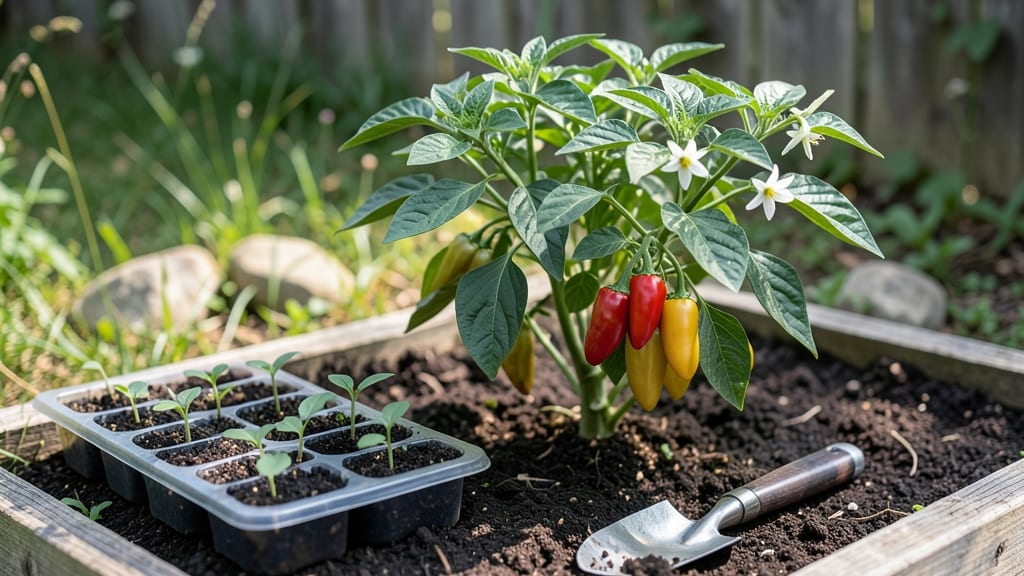
Planting peppers in Tennessee after your last frost date—typically mid-April to late May—sets the stage for a bountiful harvest of everything from sweet bells to fiery jalapeños 🌶️.
Tennessee’s diverse climate—from humid Appalachian valleys to hotter Delta regions—means pepper planting timing can make or break your harvest. Get it wrong, and you risk stunted growth or frost damage; get it right, and you’ll enjoy a bounty of spicy jalapeños, sweet bell peppers, and everything in between.
Whether you’re starting seeds indoors or transplanting seedlings, soil temperature and local frost dates are the key to success. Zones 6a-7b have different ideal windows, and even a few degrees can mean the difference between a thriving garden and a failed crop.
Below, I break down the exact planting windows for your region, how to adjust for microclimates, and the critical signs your timing might be off—so you can avoid common mistakes and enjoy peppers from July through October.
Tennessee pepper planting dates by USDA hardiness Zone (2024 guide)
Tennessee's USDA hardiness zones 6a-8a create a unique challenge for pepper growers. The last frost dates vary dramatically—from mid-April in Memphis (Zone 8a) to late May in Knoxville (Zone 6a).
Timing your pepper transplants correctly ensures robust growth and a bountiful harvest before the first frost hits in November.
Peppers thrive when soil temperatures reach at least 60°F (15°C), which typically occurs 2-4 weeks after last frost in Tennessee. For direct seeding, wait until soil warms to 70°F (21°C)—usually late May to early June in cooler zones.
Understanding your specific zone helps avoid frost damage or shortened growing seasons.
Here’s a breakdown of ideal planting windows for each Tennessee zone, including soil temperature requirements and heat-tolerant varieties best suited for your region.
| USDA Zone | Last Frost Date | Ideal Transplant Window | Direct Seed Window | Soil Temp Requirement | Best Varieties |
|---|---|---|---|---|---|
| 6a (East TN: Johnson City) | April 15-May 1 | May 15-June 1 | June 15-July 1 | 60°F+ (70°F+ for seeds) | Early Jalapeño, Carolina Wonder, Banana Pepper |
| 7a (Middle TN: Nashville) | April 1-May 15 | April 20-May 30 | May 20-June 15 | 60°F+ (70°F+ for seeds) | Bell Pepper (Early Cal Wonder), Cayenne, Habanero |
| 7b (West TN: Chattanooga) | March 20-April 15 | April 1-May 15 | April 20-May 30 | 60°F+ (70°F+ for seeds) | Early Bell Pepper, Cherry Pepper, Serrano |
| 8a (Southeast TN: Memphis) | March 1-April 1 | March 15-April 30 | March 20-May 1 | 60°F+ (70°F+ for seeds) | Carolina Reaper, Jalapeño M, Sweet Banana |
For Zone 6a gardeners in East Tennessee, start pepper seeds indoors in early March to give seedlings a head start. Transplant outdoors after May 15 when soil temperatures consistently stay above 60°F.
In Zone 7a and 7b, you can transplant seedlings as early as late April, but always use row covers for early spring protection.
In Zone 8a, where winters are milder, you can even direct seed peppers as early as March 20 if you use black plastic mulch to warm the soil. This extends your growing season and allows for earlier harvests of heat-loving varieties like Carolina Reaper or Habanero.
If you’re starting seeds indoors, begin 8-10 weeks before your last frost date. For Zone 6a, that means early March; for Zone 8a, mid-January works. Use grow lights to provide 14-16 hours of light daily until seedlings are ready for transplanting.
For direct seeding outdoors, wait until soil temperatures reach 70°F (21°C)—usually late May to early June in cooler zones. This ensures strong germination and reduces the risk of
How to adjust planting timing for Tennessee’s microclimates and pepper types
Tennessee’s Appalachian highlands and Delta lowlands create wildly different growing conditions. In East Tennessee (Zone 6a-7a), cooler nights delay planting, while West Tennessee (Zone 7b-8a) can start peppers weeks earlier.
Even within cities like Nashville, a backyard might experience a 5-10 day frost-free shift depending on elevation and sun exposure.
Your pepper variety also dictates timing. Early-maturing types like Banana Peppers (60 days) can handle cooler soils, while heat-loving Carolina Reapers (120+ days) need 80°F+ soil to thrive. Let’s break down how to align your planting with Tennessee’s microclimates and pepper needs.
East Tennessee (Zones 6a-7a) Planting Adjustments
✅ Pros
- Start indoors by March 1 for transplanting after last frost (May 1-15).
- Use cold frames to extend season by 3-4 weeks in fall.
- Early varieties (e.g., Jalapeño M) mature before first frost.
❌ Cons
- Soil warms slowly—wait for 60°F+ before planting.
- Shorter growing season (150-180 frost-free days) limits late varieties.
- Nighttime chills (<50°F) stunt pepper growth.
West Tennessee (Zones 7b-8a) Planting Adjustments
✅ Pros
- Direct sow March 15-April 1 for earlier harvests.
- Longer season (180-210 frost-free days) suits late varieties (e.g., Carolina Reaper).
- Black plastic mulch warms soil 5-10°F faster than bare earth.
❌ Cons
- Heat stress (>90°F) can cause blossom drop—provide afternoon shade.
- Humidity increases disease risk (e.g., bacterial spot).
- Late planting (after June 1) may not yield mature peppers before frost.
For Appalachian valleys, prioritize early-maturing varieties (e.g., Sweet Banana or Early Jalapeño) and use row covers to protect young plants. In West Tennessee, opt for heat-tolerant types like Habanero or Poblano and plant late February for a jumpstart.
Extend your season with low tunnels or cold frames—these can add 2-3 weeks to your growing window. In Zone 6a, start seeds indoors by February 15 and harden off plants before transplanting.
In Zone 8a, you might even squeeze in a fall crop by sowing July 15-August 1.
Monitor soil temperature with a probe—peppers won’t germinate below 60°F, and growth stalls below 70°F. Use black landscape fabric to raise soil temps 3-5°F faster. Adjust your watering schedule too: drip irrigation keeps roots cool in West TN’s heat.
Pro tip: Succession plant every 2 weeks in Zone 7b+ for continuous harvests. Pair short-day varieties (e.g., Poblano) with long-day types (e.g., Bell Pepper) to maximize your garden’s potential. With these adjustments, you’ll turn Tennessee’s climate challenges into a pepper-growing advantage! 🌶️