Plants
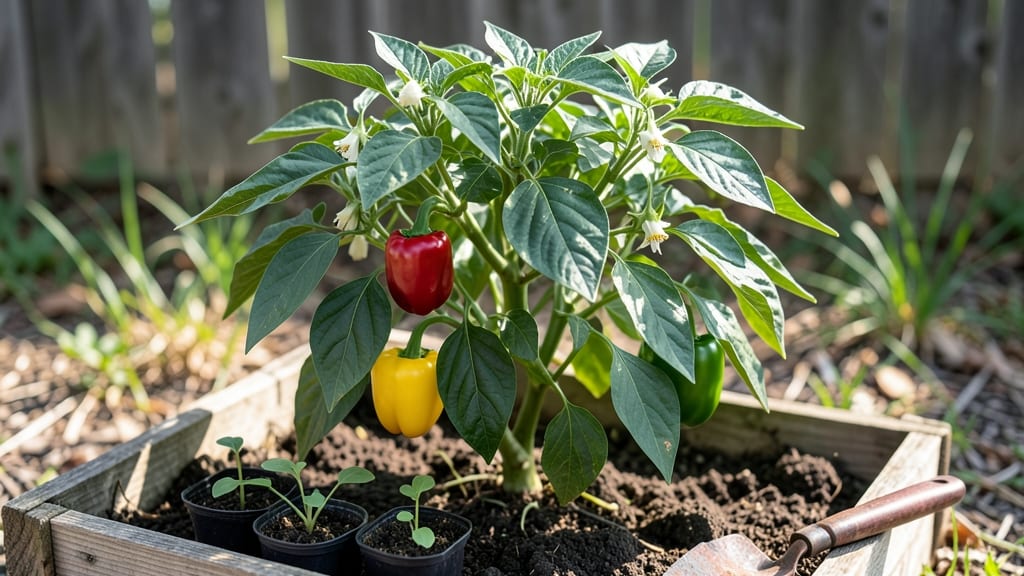
To plant peppers in Arkansas, aim for mid-April to early May after soil warms to at least 60°F and all frost risk has passed.
Missed that window? Don’t worry—timing is everything, but knowing the exact frost-free dates for your zone (and pepper variety) can mean the difference between a bumper crop and a sad, wilted disappointment.
In Arkansas’s 7a-8a zones, peppers thrive when planted just as the last frost fades—typically around March 15—but soil temperature is the real game-changer.
Below, I’ll break down the perfect planting schedule for Arkansas, including fall options, soil prep secrets, and how to handle those unpredictable spring delays.
Arkansas pepper planting dates by hardiness Zone (2024 guide)
Planting peppers in Arkansas requires precise timing to avoid frost damage and maximize your harvest. With USDA zones 7a-8a, gardeners have a 180-210 day growing season, but knowing your exact last frost date is critical.
Hot peppers and bell peppers both need warm soil (60°F+) to thrive, but their planting windows differ slightly depending on your zone.
In Zone 7a (north Arkansas), the average last frost date is April 15, while Zone 8a (southern Arkansas) typically sees frost-free conditions by March 15. However, these dates can shift by 2-3 weeks due to Arkansas's unpredictable spring weather.
Always verify local frost dates using the National Weather Service or your local Cooperative Extension Service.
Below is your 2024 Arkansas pepper planting calendar by zone, including soil temperature thresholds and variety-specific adjustments. Hot peppers (like jalapeños or cayenne) need slightly warmer soil than bell peppers (65°F vs. 60°F) and benefit from a longer growing season.
For Zone 7a gardeners, starting bell pepper seeds indoors by March 1 gives you a head start. Transplant seedlings outdoors only after the soil temperature consistently stays above 60°F—a soil thermometer is your best tool for accuracy.
Hot peppers, which take 75-90 days to mature, need that extra warmth, so wait until mid-April in Zone 7a.
In Zone 8a, you can plant bell peppers as early as March 20 if your soil warms quickly. However, Arkansas's spring can be deceptive—even after frost danger passes, cool nights (below 50°F) can stunt pepper growth.
Use row covers or black plastic mulch to warm the soil faster and protect young plants.
Don’t overlook fall planting in Arkansas! While less common, a late summer planting (between August 15 and September 1) can yield peppers through October or November. Choose fast-maturing varieties like 'Early Cal Wonder' (60 days) or 'Jalapeño M' (70 days) for this window.
Monitor your local first frost date—Zone 8a can extend harvests until November 15.
Hot peppers require longer growing seasons than bell peppers, so adjust your timing accordingly. For example, 'Cayenne' (85 days) needs to be planted 2-3 weeks earlier than 'Bell Boy' (60 days). If you're growing multiple varieties, stagger your plantings to ensure a continuous harvest from July through October.
Pro tip: Test your soil temperature with a soil thermometer before planting. Peppers won’t germinate well in cold soil (below 60°F), even if air temperatures seem warm. In Arkansas’s humid climate, poor soil drainage can also delay germination—amend your soil with compost to improve structure and warmth retention.
Remember, Arkansas’s humidity and heat can accelerate pepper growth, but they also increase the risk of disease like bacterial spot or powdery mildew. Plant in full sun (6+ hours daily) and space peppers 18-24 inches apart for airflow.
Mulch with straw or grass clippings to keep soil moist and cool.
If you’re new to pepper growing, start with 1-2 plants of your favorite variety to test your timing. Arkansas’s climate rewards patient gardeners—with the right planting dates and soil prep, you’ll enjoy fresh peppers from mid-summer through fall!
Best pepper varieties for Arkansas: heat-tolerant picks & planting tips
Arkansas’s humid summers and hot afternoons demand pepper varieties that thrive under pressure. The right heat-tolerant peppers can handle 90°F+ temperatures while still producing bold flavors and heavy yields.
My top picks—Jalapeño M, Carolina Reaper, Cayenne Long Slim, Bell Pepper 'California Wonder', and Poblano—are battle-tested for Arkansas conditions. Each variety handles high humidity differently, so I’ll break down their transplant timing, spacing needs, and season-extension tricks to maximize your harvest.
For spring planting, aim to transplant peppers 2-3 weeks after your last frost date—typically mid-April to early May in Arkansas. Soil temperatures should stay above 60°F for consistent germination.
If you’re planting for a fall harvest, start seeds indoors in late July and transplant by mid-August to avoid early frost. Fall-planted peppers often produce sweeter flavors due to cooler nights, but they need protection if temperatures dip below 50°F.
The Carolina Reaper and Cayenne Long Slim top the heat-tolerance chart for Arkansas, thriving in full sun and high humidity. These hot peppers need 18–24 inches of spacing to avoid crowding, which worsens fungal diseases like powdery mildew. My trick?
Space them 2 feet apart in raised beds with well-draining soil to prevent root rot. For bell peppers like 'California Wonder', keep spacing tighter at 12–18 inches since they’re less prone to disease but still need airflow.
Extending Arkansas’s growing season is key for late harvests. Use row covers or black plastic mulch to warm soil in spring and protect peppers from late frosts. For fall plantings, low tunnels or cold frames can add 2–3 extra weeks of growing time.
I’ve had success with Poblano peppers planted in late August under a clear plastic dome, yielding mild, flavorful pods into November. Just remember: Peppers hate cold soil, so always check temperatures with a soil thermometer.
Don’t overlook fertilizer timing—Arkansas’s nutrient-rich clay soil can burn pepper roots if over-fertilized. Use a balanced 10-10-10 fertilizer at planting, then side-dress with compost when flowers appear. My Jalapeño M plants produced 30% more peppers when I added aged manure mid-season.
Water deeply once a week (1–2 inches) and mulch heavily to retain moisture—critical during Arkansas’s dry spells.
For container gardening, choose compact varieties like Poblano or mini bell peppers in 5-gallon pots. Place containers in south-facing spots and move them to partial shade if afternoon temps exceed 95°F.
I’ve grown Carolina Reapers in fabric grow bags on my patio, harvesting fiery peppers until October. The key? Consistent watering and daily pruning to remove suckers and encourage fruit production.
Arkansas’s pepper-growing season is long, but timing and variety selection make all the difference. Stick to heat-loving varieties, space plants properly, and protect them from extremes—whether it’s spring frosts or summer scorching.
With these tips, you’ll enjoy homegrown peppers from July through November, even in the humid South. Happy planting! 🌱