
Vegetables
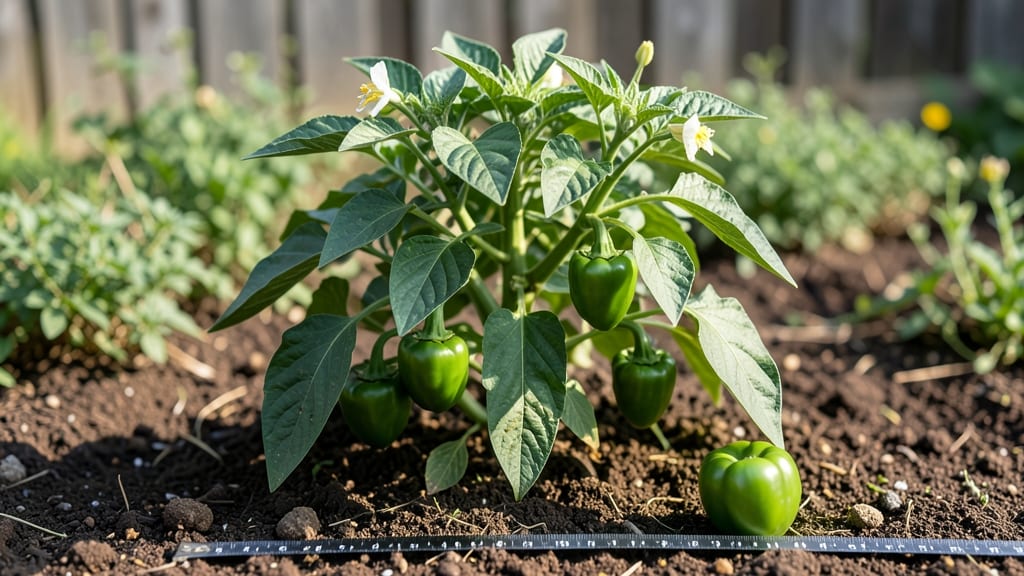
Why are my bell peppers so small? The tiny fruits are likely fighting for resources—whether it’s sunlight, nutrients, or space. 🌱 I’ve grown thousands of peppers, and the most common culprits are overcrowded plants, poor soil, or inconsistent watering. The good news?
Each fix is simple and makes a measurable difference. Start with sunlight: bell peppers need 6-8 hours of direct sun daily. If yours are shaded, move plants or prune nearby foliage. Next, check your soil—peppers crave nitrogen for early growth but need phosphorus and potassium for fruit development.
A balanced fertilizer (like 10-10-10) applied at planting and mid-season works wonders. You’ll notice bigger peppers within 2-3 weeks of adjustments. The key is consistency: water deeply 1-1.5 inches per week, mulch to retain moisture, and thin plants so they’re 18-24 inches apart.
Overcrowding stresses plants, diverting energy from fruit to leaves. This works for backyard gardens, containers, or raised beds. The same principles apply whether you’re growing sweet bell peppers or hot varieties. Let’s troubleshoot your specific setup!
Root Causes Of Tiny Peppers
If your bell peppers are staying small despite your best efforts, the issue likely stems from one—or several—key factors disrupting their growth. Understanding these underlying causes is the first step to cultivating plump, vibrant peppers. Let’s break down the science behind why your harvest might be underwhelming.
Bell peppers are sun-worshippers—they need 6 to 8 hours of direct sunlight daily to thrive. Without enough light, plants prioritize leaf growth over fruit development, leading to stunted peppers. Here’s why:
- Photosynthesis slowdown: Sunlight fuels the plant’s energy production (glucose). In low light, peppers get less energy to grow, resulting in smaller size and fewer fruits. - Hormonal imbalance: Insufficient light reduces the production of gibberellins, hormones critical for cell elongation and fruit expansion. - Weak stems: Shady conditions often lead to leggy, weak plants that can’t support heavy fruit loads.Actionable fix: Move your plants to a sunnier spot, use reflective mulch, or supplement with grow lights (12–16 hours/day) if growing indoors.
Water stress—whether from drought or overwatering—directly impacts pepper size. Peppers need consistent moisture (about 1–1.5 inches per week), but extremes throw a wrench in their growth.
- Underwatering: Causes osmotic stress, where cells lose turgor pressure (the "plumpness" that makes peppers grow). This triggers abscisic acid production, a hormone that signals the plant to conserve water—often at the expense of fruit expansion. - Overwatering: Leads to root rot and poor nutrient uptake. Waterlogged soil starves roots of oxygen, forcing the plant to divert energy to survival rather than fruit development. - Inconsistent watering: Fluctuating moisture levels cause cellular shrinkage in developing peppers, locking them into a small size.Actionable fix: Water deeply at the base (not the leaves) when the top inch of soil is dry. Use drip irrigation or soaker hoses for steady moisture.
Peppers are heavy feeders, especially during fruiting. A lack of essential nutrients stalls their growth. The most critical deficiencies for small peppers are:
| Nutrient | Role in Pepper Growth | Deficiency Signs |
|---|---|---|
| Nitrogen (N) | Boosts leaf and stem growth, which supports fruit development. | Yellowing lower leaves (chlorosis), stunted plants. |
| Phosphorus (P) | Drives energy transfer for root and fruit growth. | Purple-tinged leaves, slow flowering/fruiting. |
| Potassium (K) | Regulates water and nutrient uptake, critical for fruit size. | Weak stems, yellow edges on older leaves, small peppers. |
| Calcium (Ca) | Strengthens cell walls, preventing blossom-end rot and poor expansion. | Blossom-end rot, deformed or cracked peppers. |
Actionable fix: Test your soil (pH 6.0–6.8 is ideal) and amend with compost or a balanced fertilizer (e.g., 5-10-10). For calcium, add crushed eggshells or gypsum.
Bell peppers are warm-weather crops and rely on proper pollination for fruit set. If temperatures dip or pollinators are scarce, peppers may stay small or fail to develop entirely.
- Cold stress: Below 55°F (13°C), pepper growth slows, and flowers may drop. Below 50°F (10°C), cell division in fruits halts. - Heat stress: Above 95°F (35°C)Poor pollination: Peppers are self-pollinating but benefit from bees or gentle shaking. Without pollination, flowers may abort, leaving tiny or deformed peppers.Actionable fix: Grow in USDA zones 9–11 or use row covers for early/late seasons. Hand-pollinate by gently tapping flowers with a paintbrush if bees are absent.
Peppers need space to breathe. When plants are too close, they compete for sunlight, water, and nutrients, resulting in smaller fruits. Ideal spacing:
- Outdoors: 18–24 inches apart in rows 2–3 feet apart. - Containers: At least 1 gallon per plant (bush varieties).Why it matters:
- Shade competition: Crowded plants cast shadows, reducing light exposure for lower leaves and fruits.
- Nutrient theft: Roots tangle, limiting access to water and minerals.
- Disease spread: Poor airflow increases humidity, promoting fungal issues like powdery mildew, which weakens plants.
Actionable fix: Thin seedlings early or transplant to larger containers. Prune lower leaves to improve airflow.
Not all bell pepper varieties are created equal. Some are bred for disease resistance, heat tolerance, or early harvests—but not necessarily size. For example:
- Small-fruited varieties: 'Snackable' or 'Piquillo' types naturally stay petite.
- Hybrids vs. heirlooms: Some hybrids (e.g., 'Carmen') produce larger peppers than heirlooms like 'Banana.'
Actionable fix: Choose large-fruited varieties like 'King of the North' or 'Monster' for bigger harvests. If you love heirlooms, accept smaller sizes as a trade-off for flavor.
Fixing Tiny Peppers Naturally
Now that you know the root causes behind your underwhelming bell pepper harvest, let’s roll up our sleeves and get those plants producing plump, vibrant peppers like the pros. Below are science-backed fixes tailored to each common issue—plus prevention tips to keep your garden thriving long-term.
---
Problem: Bell peppers need 6–8 hours of direct sunlight daily to grow large and sweet. Shady spots stunt growth and reduce fruit size.
How to Fix It: ✅ 🔥 Move Your Plants – If possible, relocate them to a sunnier spot (south-facing is ideal in the Northern Hemisphere). Use a sun calculator to check your garden’s light exposure. ✅ 🏠 Extend the Growing Season – Use reflective mulch (white plastic or aluminum foil) to bounce extra light onto plants. For container growers, place pots on wheelbarrows or raised beds for better sun access. ✅ 💡 Supplement with Grow Lights – If natural light is lacking (common in early spring or late fall), add LED grow lights 12 inches above plants for 14–16 hours/day.
💡 Prevention Tip: - Plant in the warmest, sunniest part of your yard—even a few feet can make a difference. - Avoid tall plants or structures casting shade over your peppers.
---
Problem: Too much water (or waterlogged soil) leads to blossom end rot and stunted growth, while underwatering causes peppers to shrivel.
How to Fix It: ✅ 👨🍳 Water Deeply, Not Frequently – Water once a week (or every 2–3 days in heatwaves) with 1–1.5 inches of water per session. Use a moisture meter to check soil depth. ✅ 🏗️ Improve Drainage – Amend heavy clay soil with compost or perlite to prevent root rot. If using containers, ensure pots have drainage holes and elevate them slightly. ✅ 🌡️ Mulch to Retain Moisture – Apply 2–3 inches of straw or wood chips around plants to keep roots consistently moist without soggy soil.
💡 Prevention Tip: - Water in the morning to reduce evaporation and fungal risks. - Avoid wetting leaves to prevent disease—water at the base of the plant.
---
Problem: Small peppers often signal lack of nitrogen (leafy growth) or phosphorus (fruit development). A balanced fertilizer boosts size and sweetness.
How to Fix It: ✅ 📊 Test Your Soil – Use a DIY soil test kit (or send a sample to a local extension office) to check pH (6.0–6.8 is ideal) and nutrient levels. ✅ 🥗 Apply a Balanced Fertilizer – Switch to a 5-10-10 or 10-10-10 formula (NPK) when flowers appear. For organic growers, use compost tea or fish emulsion. ✅ 🍅 Boost Phosphorus for Fruit – Mix in bone meal or rock phosphate at planting time to encourage larger, sweeter peppers.
💡 Prevention Tip: - Fertilize every 3–4 weeks during the growing season. - Avoid over-fertilizing—too much nitrogen = leafy plants, few peppers!
---
Problem: Peppers need room to breathe and proper pollination (or hand-pollination for greenhouse growers) to develop fully.
How to Fix It: ✅ 📏 Thin Out Plants – Space bell peppers 18–24 inches apart in rows 2–3 feet apart. Remove weaker plants to give strong ones more nutrients. ✅ ✨ Hand-Pollinate (If Needed) – Gently tap flower clusters with a paintbrush or shake plants lightly to transfer pollen. Do this early in the morning when flowers are open. ✅ 🪑 Provide Support – Use cages, stakes, or trellises to keep plants upright and peppers from touching the ground (prevents rot).
💡 Prevention Tip: - Plant companion crops like basil or marigolds to attract pollinators (bees love them!). - Prune suckers (side shoots) to direct energy into fruit production.
---
Problem: Bell peppers hate extremes—below 50°F (10°C) or above 90°F (32°C) stunts growth.
How to Fix It: ✅ 🌡️ Start Seeds Indoors – If your climate has cool springs, sow seeds 6–8 weeks before last frost in biodegradable pots for easy transplanting. ✅ 🧥 Use Row Covers or Cloches – Protect young plants with floating row covers in early spring or mini greenhouses if nights dip below 55°F (13°C). ✅ 🌿 Provide Shade in Heatwaves – Use shade cloth (30–50%) if temps exceed 95°F (35°C) to prevent sunscald on peppers.
💡 Prevention Tip: - Choose heat-tolerant varieties like ‘Carmen,’ ‘Jupiter,’ or ‘Aristotle’ for hot climates. - Water deeply in heat to cool roots and prevent stress.
---
- 🍅 Pick Regularly – Harvest peppers as soon as they turn color to encourage more production. - 🔪 Snip, Don’t Twist – Use clean scissors to avoid damaging the plant. - 🌱 Rotate Crops – Plant peppers in a new spot each year to prevent soil depletion.
--- Final Thought: With these fixes, your bell peppers should plump up in no time! 🌶️💪 Start with one or two adjustments (like sunlight or water), monitor progress, and tweak as needed. Happy growing!
Frequently asked questions
Why do my bell peppers stay small even with plenty of water?
Small peppers with adequate water often point to nutrient deficiencies or light issues. Check for yellowing leaves (nitrogen deficiency) or purple stems (phosphorus deficiency). Bell peppers need 6-8 hours of direct sunlight daily—if they're shaded, move them to a sunnier spot or use reflective mulch. Test your soil pH (ideal: 6.0-6.8) and amend with compost or a balanced fertilizer.
Can I still get big peppers from a dwarf variety?
Yes, but expect smaller results! Varieties like 'Snackable' or 'Piquillo' are bred to stay compact. For larger peppers, choose hybrids like 'King of the North' or 'Monster'. Even with dwarf varieties, proper care (sunlight, spacing, and nutrients) will maximize their natural size potential—just don't expect grocery-store-sized peppers from these petite plants.
How quickly will my peppers grow bigger after making changes?
You'll typically see noticeable improvement within 2-3 weeks of adjustments. Fixing watering or sunlight issues shows results fastest, while soil amendments may take 4-6 weeks to fully impact growth. Monitor your plants daily—peppers should start expanding within 7-10 days if the root cause (like proper spacing or pollination) is addressed.
Will pruning my pepper plants make them produce larger fruits?
Pruning actually helps! Removing lower leaves improves airflow and sunlight penetration to the fruits. Focus on cutting suckers (side shoots) and any diseased or yellowing leaves. Just don't overdo it—remove no more than 20-30% of foliage to maintain the plant's energy balance. Prune in the morning when plants are dry to prevent disease spread.
Can container-grown peppers ever reach grocery-store size?
With the right conditions, yes! Container peppers need at least 5-gallon pots (bigger for bush varieties) and daily sunlight. Use lightweight potting mix with compost, and fertilize every 3-4 weeks with a balanced formula. Varieties like 'Carmen' or 'Jupiter' perform well in containers. Just remember—root space limits size, so expect slightly smaller peppers than ground-grown plants.