
Diseases
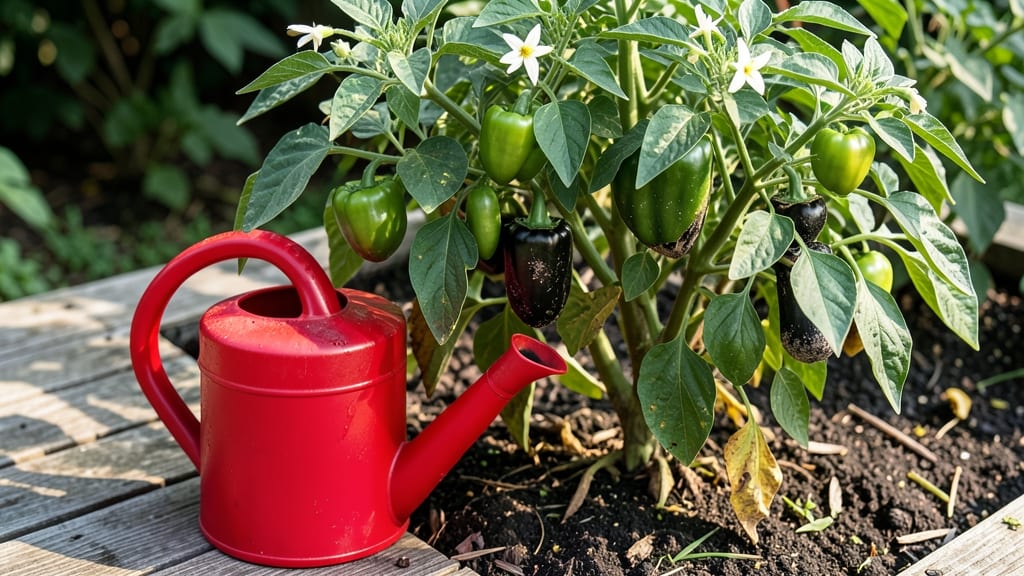
Your peppers turning black isn't a death sentence—it's a fixable problem. 🌱 I've seen entire harvests saved by addressing the root cause, whether it's fungal disease, pest damage, or simple growing mistakes that create the perfect storm for rot.
The most common culprits are anthracnose (that ugly black mold) and blossom end rot (black patches at the pepper's base), but overwatering and poor air circulation play a huge role too. The good news? Each has a specific solution—from adjusting your watering schedule to adding a simple fungicide spray.
You'll learn to spot the difference between salvageable damage and lost peppers, plus how to prevent future blackening with 3 key adjustments to your garden routine. The results? Plump, vibrant peppers that stay green and healthy all season.
This works for bell peppers, jalapeños, and hot varieties alike—no matter your growing setup, from containers to raised beds. Let's turn those black spots into a thing of the past.
Root Causes of Darkened Peppers
Understanding why your peppers turn black is the first step to preventing it—and saving your harvest. This discoloration is rarely a good sign, and it’s usually triggered by one (or more) of these common culprits.
Let’s break down the science behind each cause so you can take action before it’s too late.
Peppers, like many fruits and vegetables, undergo natural breakdowns as they age. When they turn black, it’s often a sign of oxidative browning—a chemical reaction where enzymes (like polyphenol oxidase) react with oxygen, breaking down pigments and causing dark spots or a uniform black hue.
- Why it happens: Ethylene gas, a natural plant hormone, accelerates ripening. Once peppers reach peak ripeness, they start to degrade.
Blackening can also occur if they’re left on the vine too long after reaching maturity. - Actionable tip: 💡 Harvest peppers at their ideal ripeness stage (color depends on variety—green, red, yellow, etc.). Store them in a cool, dry place (around 40–50°F) to slow aging.
Peppers are sensitive to moisture imbalances, and both drought stress and excess water can trigger blackening.
- Underwatering: When soil dries out completely, peppers may develop blossom-end rot (a black, leathery spot at the fruit’s base) due to calcium deficiency.
However, severe water stress can also cause oxidative damage in the flesh, leading to blackening. - Overwatering: Poor drainage or soggy soil can lead to root rot (caused by fungi like Phytophthora), which cuts off nutrient and water flow.
The pepper’s cells die, turning black or mushy. - Actionable tip: 🎯 Maintain consistent moisture—about 1–1.5 inches of water per week. Use mulch to retain soil moisture and improve drainage. If you suspect root rot, trim affected roots and repot in fresh, sterile soil.
Peppers have thin skins that bruise easily. When damaged, their cells release enzymes that trigger browning reactions, turning affected areas black or dark purple.
- Why it happens: Dropping peppers, rough handling during harvest, or even hail/storms can puncture the skin. Even insect bites (from aphids, beetles, or spider mites) can create entry points for decay. - Actionable tip: 🛡️ Handle peppers gently when picking and storing.
Use row covers to protect them from pests. If you notice bruises, isolate the damaged peppers to prevent further spread of pathogens.
Blackening can also signal an infectious disease, often spreading rapidly in warm, humid conditions.
| Disease | Symptoms | Cause | Prevention |
|---|---|---|---|
| Alternaria Leaf Spot | Black, concentric rings on fruit | Alternaria solani fungus | Rotate crops, remove infected plants, and use copper fungicides. |
| Phytophthora Blight | Black, water-soaked lesions | Phytophthora fungus | Improve drainage, avoid overhead watering, and use resistant varieties. |
| Bacterial Spot | Tiny black spots with yellow halos | Xanthomonas bacteria | Sterilize tools, remove debris, and apply copper sprays early in the season. |
- Actionable tip: ✨ If you suspect a fungal or bacterial infection, remove and destroy affected peppers immediately. Apply organic fungicides (like neem oil or baking soda spray) preventatively.
Overuse of synthetic pesticides, herbicides, or even fertilizers can cause chemical burns, leading to blackened or necrotic spots on peppers.
- Why it happens: High concentrations of salts (from fertilizers) or harsh chemicals can disrupt cell membranes, causing tissue death. Even vinegar-based sprays (if too strong) can trigger this reaction. - Actionable tip: 🔥 Always follow label instructions for pesticides and fertilizers.
Conduct a soil test to avoid over-fertilizing. If you suspect chemical damage, flush the soil with water and avoid further treatments until new growth appears.
Peppers are tropical plants and struggle in freezing temps or heat stress. Sudden temperature drops (below 50°F) or scorching heat (above 95°F) can cause cold damage or heat stress, leading to blackened areas.
- Cold damage: Ice crystals form in the cells, rupturing them and causing blackened, mushy patches. - Heat stress: High temps accelerate ethylene production, speeding up ripening and decay. - Actionable tip: 🌡️ Grow peppers in USDA zones 9–11 or use row covers in cooler climates.
Provide shade cloth during heatwaves to protect plants from excessive sun.
Fixing blackened pepper problems
Don’t toss those blackened peppers just yet! Whether your peppers are suffering from fungal infections, environmental stress, or harvesting mishaps, there are practical ways to revive them—or at least salvage what’s left.
Below, we’ve mapped out targeted solutions based on the most common causes, along with prevention tips to keep your peppers vibrant and healthy.
If your peppers are turning black due to Alternaria leaf spot, anthracnose, or black mold, act fast to prevent the spread.
🔥 Remove and Dispose of Infected Peppers
-
Cut off only the blackened areas if the damage is minor. For severe cases, discard the entire pepper to avoid contaminating healthy plants.
-Place infected peppers in a sealed bag and toss them in the trash (not compost)—fungal spores can survive in compost piles.
🍳 Treat with Fungicide
-
Spray affected plants with a copper-based fungicide (like Copper Soap) or a baking soda solution (1 tbsp baking soda + 1 quart water + a few drops of dish soap). Reapply every 7–10 days.
-For organic growers, try a neem oil spray (2 tsp neem oil + 1 tsp mild soap per quart of water). Shake well and spray undersides of leaves where spores hide.
🌡️ Improve Air Circulation
-
Fungal spores thrive in humid, stagnant air. Space plants 12–18 inches apart and prune foliage to allow airflow.
-Use a fan on low speed near plants (especially in greenhouses) to reduce humidity.
💡 Prevention Tips
-
Rotate crops yearly—don’t plant peppers in the same spot if fungal diseases appeared last season.
-Water at the base (not overhead) to keep leaves dry.
-Choose resistant pepper varieties like ‘Arpad F1’ (resistant to Alternaria) if fungal issues are recurrent.
Peppers turning black from extreme heat or freezing temps often recover with quick adjustments.
👨🍳 Adjust Growing Conditions
- For Heat Stress: -
Move potted peppers to a shadier spot (especially in the afternoon when temps exceed 90°F/32°C). Use shade cloth (30–50%) if needed.
-Mulch heavily with straw or grass clippings to keep roots cool.
- For Cold Stress: -
Cover plants with frost blankets or row covers at night if temps dip below 50°F (10°C). Remove them during the day.
-If peppers are blackened but still firm, they may recover in warmer weather. Monitor closely.
⏰ Hydration Check
-
Both heat and cold stress cause water loss. Water deeply in the morning to give roots time to absorb moisture before evaporation.
-Use drip irrigation or soaker hoses to deliver water directly to the soil.
🎯 Long-Term Fixes
-
Choose heat-tolerant varieties like ‘Carolina Wonder’ or ‘Jalapeño M’ if you live in a hot climate.
-In cold regions, grow peppers in containers and bring them indoors during frost season.
If peppers blackened due to physical injury (like bruising or overripe spots), they’re often still edible—just use them wisely.
🥘 Trim and Repurpose
-
Cut off only the blackened sections (if the rest is firm and free of mold). Use the good parts in:
-- Salsas or hot sauces (blend with healthy peppers to mask flavors).
- Stir-fries or soups (the heat will mellow the texture).
- Fermented dishes (like kimchi or pickles—acidity preserves them).
✨ Store Properly
-
If peppers are partially blackened but still fresh, store them in the fridge for up to a week in a paper towel-lined bag to prevent further spoilage.
-For long-term storage, freeze them whole or chopped (they’ll soften but retain flavor).
💡 Prevention Tips
-
Harvest peppers gently—twist them off the stem instead of cutting to avoid bruising.
-Handle peppers with care when transporting—use soft containers (like mesh bags) to prevent crushing.
Final Note: While blackened peppers can often be saved or repurposed, prevention is key. Regularly inspect plants, maintain proper spacing, and respond quickly to stress signs. With these fixes, you’ll keep your peppers vibrant—and delicious!
Frequently asked questions
Can I still eat peppers that have turned black?
It depends on the cause! If the blackening is from oxidative browning (like overripe spots) or minor bruising, cut off the affected areas and use the rest in cooking—salsas, stir-fries, or sauces work great. However, if black spots are moldy (fuzzy texture) or accompanied by soft, mushy flesh, toss them immediately to avoid foodborne illness.
Why are my pepper plants developing black spots on the leaves too?
That’s likely a fungal infection like Alternaria leaf spot or bacterial spot. These diseases thrive in humid, warm conditions and appear as black rings or spots with yellow halos. Remove infected leaves immediately, improve airflow between plants, and apply a copper fungicide or neem oil spray every 7–10 days.
How do I tell if blackened peppers are from disease vs. overwatering?
Check the texture and location of the blackening: Disease (like Phytophthora) causes water-soaked, spreading lesions, while overwatering leads to black, mushy spots at the pepper’s base (blossom-end rot). For disease, focus on fungicides; for overwatering, adjust your irrigation to 1–1.5 inches per week and add mulch to improve drainage.
Will blackened peppers recover if I fix the problem?
Existing blackened peppers won’t reverse damage, but new growth will stay healthy if you address the root cause. For example, if blackening was from heat stress, moving plants to shade and increasing water will prevent future issues. Focus on prevention—prune for airflow, rotate crops, and monitor soil moisture to keep future peppers vibrant.
Can I save peppers that are turning black in storage?
Yes! Store them in the fridge (40–50°F) in a paper towel-lined bag to slow oxidation. For minor blackening, use them in cooked dishes where texture changes are less noticeable. If mold appears, discard immediately—it spreads quickly. For long-term storage, freeze peppers whole or chopped (they’ll soften but retain flavor for up to 6 months).