
Picking
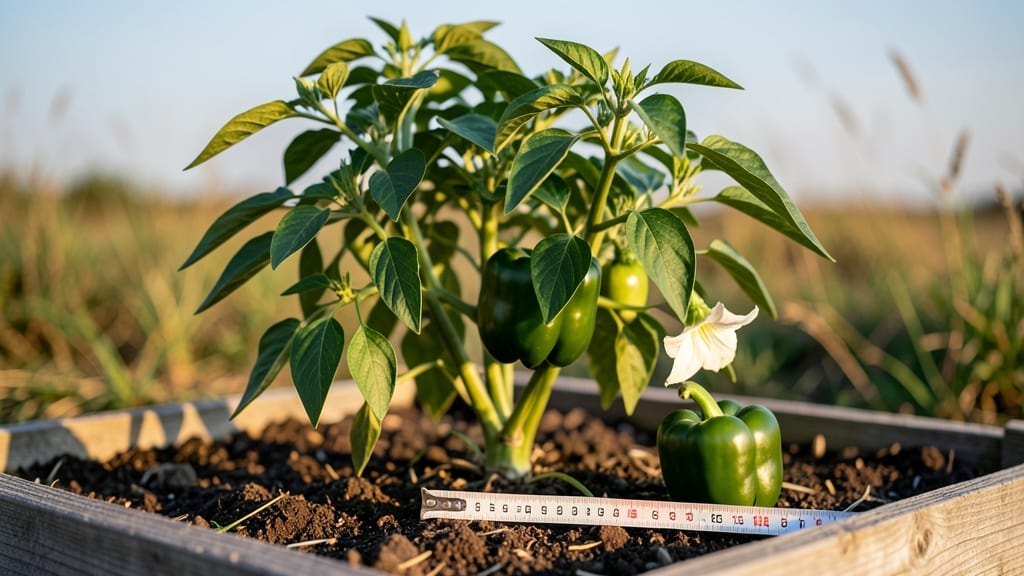
Your peppers are tiny because they're fighting for survival—not growth. 🌿 Whether it's weak sunlight, crowded roots, or a nutrient deficit, small peppers scream for attention.
I've seen this happen after years of gardening, and the fix is simpler than you think: more light, better spacing, and the right feed at the right time. The biggest culprit? Insufficient sunlight—peppers need 6+ hours of direct sun daily. Even partial shade stunts growth.
Then there's overcrowding: plants competing for nutrients produce undersized fruit. Check your spacing—most peppers need 18-24 inches apart. Finally, poor soil nutrition (especially phosphorus) keeps peppers small and weak. Here's the game-changer: prune strategically to improve airflow and sunlight penetration.
Feed with a balanced fertilizer (10-10-10) when flowers appear, and watch those peppers swell in 2-3 weeks. Varieties like 'Jalapeño' or 'Bell' naturally stay small, but if yours are consistently tiny, it's a care issue. This works for all pepper types—hot, sweet, or ornamental.
Let's turn those pint-sized peppers into harvest-worthy giants this season.
The Hidden Reasons Behind Tiny Peppers
When your pepper plants look healthy but produce pint-sized fruits, the issue often lies in unseen factors that stunt growth. Understanding these causes is the first step to unlocking bigger, juicier harvests. Let’s break down the science behind why your peppers stay small—and how to fix it.
---
Peppers are sun-worshippers—they need 6–8 hours of direct sunlight daily to thrive. When light is limited, plants divert energy to survival instead of fruit development.
- Why it happens: Light drives photosynthesis, the process that fuels growth.
Without enough sun, plants produce fewer auxin hormones (growth regulators), leading to stunted peppers. - Actionable fix: - Move containers to sunnier spots (south-facing windows or full sun outdoors). - Use grow lights (LED or fluorescent) for 14–16 hours/day if indoors. - Prune nearby trees/shrubs blocking sunlight.
---
Peppers are sensitive to water stress, whether from drought or overwatering. Both extremes disrupt nutrient uptake and hormone balance.
- Why it happens: - Underwatering causes wilting and root shrinkage, reducing water/nutrient transport to fruits. - Overwatering leads to root rot and oxygen deprivation, stalling growth. - Actionable fix: - Water deeply 1–2 times per week (check soil moisture 1–2 inches down). - Use well-draining soil (mix in perlite or compost). - Avoid wet leaves (water at the base to prevent fungal issues).
---
Peppers thrive in warmth (70–85°F). Cold snaps or heatwaves shock plants, halting fruit development.
- Why it happens: - Below 50°F: Growth slows; peppers abort or stay small. - Above 95°F: Pollination fails (peppers drop flowers or produce tiny fruits). - Actionable fix: - Extend the season with row covers or cold frames in spring/fall. - Mulch to regulate soil temp (straw or black plastic works well). - Choose heat-tolerant varieties (e.g., ‘Carolina Reaper’ or ‘Jalapeño M’).
---
Peppers need balanced nutrients—especially phosphorus (P) and potassium (K)—for fruit development. Poor soil or over-fertilizing can backfire.
- Why it happens: - Low phosphorus: Delays flowering/fruiting (peppers stay small or fail to set). - Too much nitrogen: Leads to leafy growth but tiny, underdeveloped peppers. - Calcium/magnesium deficiencies: Cause blossom-end rot or weak cell walls. - Actionable fix: - Test your soil (DIY kits or lab tests) and amend with: - Bone meal (for phosphorus). - Banana peel tea or potassium-rich fertilizer (5-10-10 ratio). - Crushed eggshells (calcium source). - Avoid over-fertilizing—follow package rates!
--- Peppers are self-pollinating, but wind, bees, or poor flower health can lead to underdeveloped fruits.
- Why it happens: - No pollinators? Hand-pollinate with a soft brush or gently shake plants. - Hot weather (>90°F) causes flower drop (peppers abort before growing). - Weak flowers (from stress) fail to produce viable fruit. - Actionable fix: - Attract bees with marigolds or basil nearby. - Shake plants lightly in the morning (when humidity is high). - Provide shade cloth (30–50%) during heatwaves.
--- Peppers compete for space, nutrients, and energy. Overcrowding leads to smaller, weaker fruits.
- Why it happens: - Too many plants per square foot (ideal spacing: 18–24 inches apart). - Pests/disease (e.g., aphids, powdery mildew) drain plant energy. - Actionable fix: - Thin seedlings to the strongest 2–3 per plant. - Prune suckers (side shoots) to direct energy to fruit. - Rotate crops yearly to prevent soil-borne diseases.
--- Some pepper varieties are naturally small (e.g., shishito, banana peppers). Don’t expect giant bell peppers from a tiny plant!
- Why it happens: - Genetics dictate max size (check seed packets). - Heirloom or hybrid differences (e.g., ‘Lunchbox’ peppers stay small). - Actionable fix: - Choose larger varieties if you want big peppers (e.g., ‘Big Beef’, ‘Mammoth’). - Accept the variety’s traits—some small peppers are delicious (e.g., jalapeños).
--- Need a fast reference? Here’s how to diagnose and act:
| Symptom | Likely Cause | Quick Fix | |---------------------------|---------------------------|----------------------------------------| | Yellow leaves + small peppers | Nitrogen excess | Reduce fertilizer, add phosphorus | | Wilting + stunted growth | Underwatering | Deep water 1–2x/week | | Flowers drop, no fruit | Heat stress/pollination | Shade cloth + hand-pollinate | | Small peppers + leafy growth | Overcrowding | Thin plants, prune suckers | | Black spots on peppers | Calcium deficiency | Add eggshells or lime to soil |
--- Pro Tip: 🌡️ Track your plant’s conditions (light, water, temp) in a journal. Patterns will reveal the exact issue—so you can grow bigger, bolder peppers next season!
Fix Your Pepper Plants Now
Now that you know the culprits behind your tiny peppers—whether it’s insufficient sunlight, poor soil nutrition, overcrowding, or stress from pests and weather—it’s time to take action!
Here’s a step-by-step guide to reviving your plants and coaxing those peppers into the juicy, plump sizes you’re dreaming of.
---
If your peppers are struggling for light, they’ll focus on survival rather than growth. Fix it fast:
- 🔥 Move Them to a Sunnier Spot Peppers need 6–8 hours of direct sunlight daily. If your garden is shady, relocate them to a sunnier area or a south-facing window if growing indoors.
Use a sunlight meter (or just observe—if your hand’s shadow is shorter than your plant’s height, it’s not enough light).
- 🍳 Use Grow Lights for Indoor Plants If natural light is lacking, LED or fluorescent grow lights (12–16 hours/day) can save the day. Place them 6–12 inches above the plants and adjust as they grow. A full-spectrum light mimics sunlight best.
- 🌱 Prevent Future Light Struggles - 💡 Plant peppers where they’ll get the most sun—avoid tall trees or buildings casting shadows. - ✨ Use reflective surfaces (like white walls or aluminum foil) to bounce extra light onto plants. - 🌡️ Start seeds indoors 8–10 weeks before the last frost, then transplant them when they’re strong enough to handle outdoor sunlight.
---
Peppers are heavy feeders, and poor soil = tiny peppers. Boost their diet with these fixes:
- 👨🍳 Test Your Soil & Amend It Use a soil test kit (or send a sample to a local extension office) to check pH and nutrient levels.
Peppers thrive in slightly acidic to neutral soil (pH 6.0–6.8). - 🔪 Add compost (2–3 inches mixed into the top 6–12 inches of soil) for organic matter. - 🥗 Top-dress with balanced fertilizer (10-10-10 or 5-5-5) at planting, then switch to a low-nitrogen, high-phosphorus formula (like 0-10-10) when flowers appear to encourage fruiting.
- 💪 Fertilize at the Right Time - 📊 First feeding: When plants are 6–8 inches tall (use a balanced fertilizer). - 🍎 Second feeding: When flowers form (switch to a phosphorus-heavy fertilizer). - 🥗 Avoid over-fertilizing with nitrogen—it makes leaves big but peppers small!
- 🌱 Prevent Nutrient Burn - ✨ Water before fertilizing to avoid root damage. - 🔥 Use organic options (like fish emulsion or bone meal) for slower, steadier nutrient release.
---
Crowded peppers compete for resources, leading to stunted growth. Fix it with these simple steps:
- 🔪 Thin Out Overcrowded Plants - 🌱 Space peppers 12–18 inches apart (or 18–24 inches for large varieties like banana peppers). - ⏰ Remove weaker seedlings when they’re young to give strong plants room to grow.
- 🍳 Prune Wisely (But Don’t Go Overboard!) - 🌿 Trim suckers (those little shoots in the leaf axils) to encourage bigger, fewer peppers. - 🔥 Avoid heavy pruning—peppers fruit best when slightly stressed (but not too much!). - 🌡️ Pinch off early flowers if plants are still small to redirect energy to growth.
- 🌱 Prevent Future Crowding - 💡 Plant in raised beds or containers for better airflow. - ✨ Succession plant—sow new seeds every 2–3 weeks for a continuous harvest.
---
Pests and extreme weather drain energy from your peppers, keeping them small. Fight back with these tactics:
- 🔥 Handpick or Spray Off Pests - 🐛 Common culprits: Aphids, spider mites, and hornworms. - 🥗 Spray with neem oil (mix 1 tbsp with 1 quart of water) or soapy water (1 tsp mild soap per quart). - 🌱 Introduce beneficial insects (like ladybugs or lacewings) for natural pest control.
- 🌡️ Shield from Heat & Cold Stress - 🔥 Mulch around plants (with straw or grass clippings) to retain moisture and regulate temperature. - 🌿 Use shade cloth (30–50% coverage) in hot climates to prevent sunscald. - 🥗 In cold weather, cover plants with frost blankets or move potted peppers indoors.
- 💪 Boost Plant Resilience - ✨ Water deeply but infrequently (1–1.5 inches per week) to encourage strong roots. - 🔥 Avoid wet foliage (water at the base) to prevent fungal diseases like powdery mildew.
---
- 💡 Pollinate by hand (if indoors or in poor weather): Gently shake plants or use a small brush to transfer pollen. - 🍎 Harvest regularly—removing ripe peppers encourages more production. - 🌿 Try dwarf or bush varieties if space is limited (they still need full sun!).
--- With these fixes, your peppers should plump up in no time! 🌶️🔥 Stay patient—consistent care leads to bigger, juicier rewards in the long run.
Frequently asked questions
Why do my pepper plants look healthy but still produce tiny fruits?
Healthy-looking plants with small peppers usually face hidden stress factors. The most common culprits are insufficient sunlight (less than 6 hours daily), overcrowding (plants competing for nutrients), or nutrient imbalances (too much nitrogen, not enough phosphorus). Even slight temperature swings below 50°F or above 95°F can stunt growth.
How do I know if my pepper variety is naturally small or if there's a care issue?
Check your seed packet or plant tags first—some varieties like shishito or banana peppers are genetically small. If your peppers are consistently half the expected size for your variety and the plants appear otherwise healthy, it's likely a care issue. Compare with photos of mature plants from your variety to spot the difference.
Can I fix small pepper problems mid-season, or is it too late?
Never too late to act! Start with immediate sunlight adjustments—move plants to sunnier spots or supplement with grow lights. Prune crowded foliage to improve airflow, and feed with a phosphorus-rich fertilizer (like 0-10-10) to encourage fruit development. For existing small peppers, they won't grow larger, but new peppers will reflect your improved care within 2-3 weeks.
What's the fastest way to get bigger peppers next season?
Plan ahead with these three key strategies: 1) Start with well-draining soil enriched with compost and bone meal (for phosphorus), 2) Space plants 18-24 inches apart to eliminate competition, and 3) Use shade cloth during extreme heat (above 90°F) to protect flowers. These changes alone can double pepper size in just one season!
Will pruning my pepper plants actually help them produce larger fruits?
Yes, but only when done correctly! Prune by removing suckers (side shoots in leaf axils) and lower leaves** to improve airflow. This redirects energy from leaf production to fruit development. Just avoid heavy pruning—peppers fruit best when slightly stressed. For maximum results, prune in the morning when plants are hydrated and temperatures are mild.