
Lawn
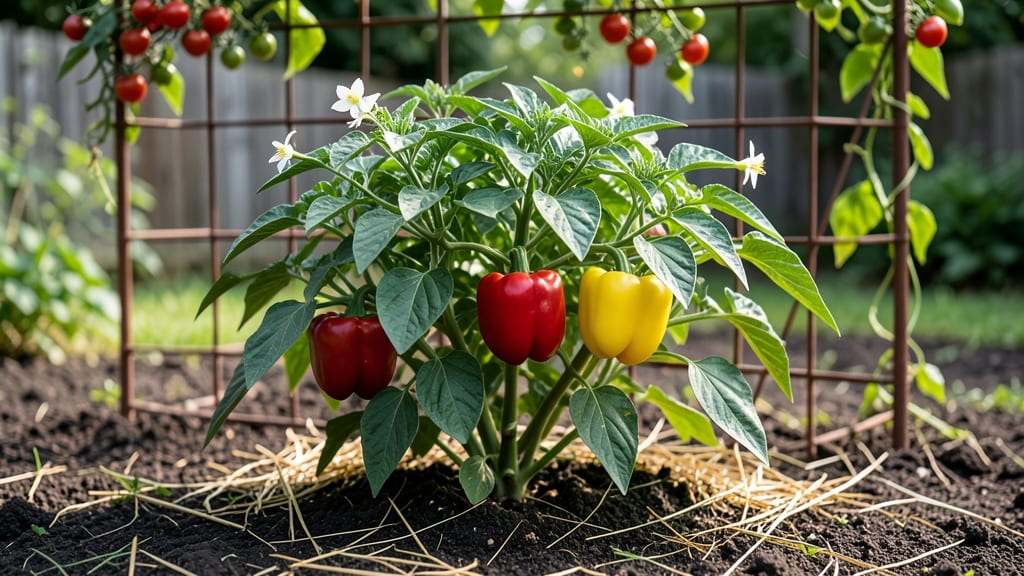
Pepper isn't a seed—it's the fruit of the pepper plant that contains seeds inside. The spicy or mild pods you use in cooking are the mature fruit, while the tiny black or white specks are the true seeds used for growing new plants.
Peppers are botanically classified as fruits because they develop from the plant's flowers and contain seeds. 🌱 The entire pod—whether red, green, or jalapeño—is what we harvest for cooking, while the seeds inside enable the plant to reproduce.
This distinction matters in gardening: if you save seeds from heirloom peppers, you're preserving the plant's genetic traits for future harvests. Many people mistakenly call pepper seeds "peppercorns," but those are actually dried berries from a different plant entirely.
Understanding this difference helps explain why pepper plants produce both fruit and seeds simultaneously. The fruit provides flavor and texture for culinary use, while the seeds ensure the plant's continuation.
For gardeners, this means you can harvest both the pods for immediate use and the seeds for future planting—just be sure to let the peppers fully ripen before extracting seeds for best germination results.
💡 In This Article
- Botanical Breakdown: Pepper Fruit vs Seeds
- How to Harvest Pepper Seeds for Gardening
Botanical breakdown: pepper fruit vs seeds
The pepper pod you use in cooking is actually a berry—a type of fruit that develops from a single ovary in the flower. Botanically, peppers belong to the Capsicum genus, which includes jalapeños, bell peppers, and habaneros.
The entire pod, from skin to flesh, is the mature ovary that contains seeds. This classification makes peppers similar to tomatoes, eggplants, and chili peppers, which are also botanical fruits despite being used as vegetables in cooking.
Here's how it works: After pollination, the flower's ovary swells into the pepper pod, while the ovules inside develop into seeds. The seeds themselves are the plant's reproductive units, containing the genetic material to grow new plants. A single pepper can produce 50-100 seeds, depending on the variety.
For comparison, a single sesame seed pod contains 50-100 seeds but is classified as a capsule fruit, while poppy seeds come from seed pods that split open when mature—demonstrating how different plants package their reproductive structures.
The key difference between pepper seeds and other culinary seeds lies in their placement and function. In peppers, seeds are embedded within the fleshy fruit, protected until the pepper ripens. This is why you'll often find seeds mixed with the flesh when you cut open a pepper.
The seeds themselves are tiny—typically 1-3 millimeters in length—and have a slightly papery texture when dry, contrasting with the crisp, juicy flesh of the pepper fruit.
When you remove seeds from a pepper, you're not just eliminating spiciness (though that's a common reason). You're also removing the plant's reproductive potential. The seeds contain the plant's DNA, which is why gardeners save seeds from heirloom varieties to maintain specific traits.
This is different from culinary seeds like black peppercorns, which are actually dried berries from a completely different plant (Piper nigrum) and contain no seeds in the botanical sense.
What most people don't realize is that the pepper fruit itself develops from a single flower that blooms at the plant's nodes. The flower's petals fall off after fertilization, leaving behind the developing fruit.
This process takes about 25-40 days to maturity, depending on the variety and growing conditions. The seeds inside develop simultaneously, reaching full viability when the pepper reaches its final color—whether red, green, or yellow.
Consider this comparison: while pepper seeds are the reproductive units, the pepper fruit serves as a protective package that aids in seed dispersal. Animals that eat the pepper fruit often excrete the seeds later, helping them spread to new locations.
This natural mechanism is why you'll sometimes find pepper plants growing wild in areas where they've been cultivated—thanks to seeds accidentally dispersed by wildlife.